




What Exactly Is a ‘Monsoon Recipe’?
This isn't a single dish, but a whole category of food inextricably linked to the rainy season in South and Southeast Asia. Think of it as a culinary mood. As monsoon season brings a welcome respite from intense heat, it also ushers in a desire for warm,
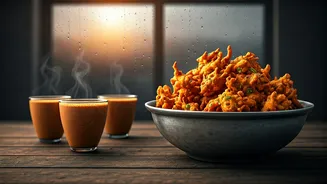
savory, and often fried foods, enjoyed while watching the downpour from a window or veranda. The quintessential experience involves the sound of rain mixing with the sizzle of oil, the aroma of spices filling the air, and the feeling of cupping a warm mug of tea. It’s a multisensory ritual of slowing down and finding simple joy in the moment, a tradition that’s now resonating far beyond its origins thanks to social media.
The Holy Trinity: Pakoras, Samosas, and Chai
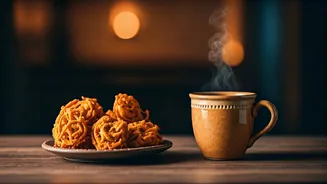
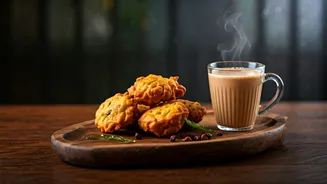
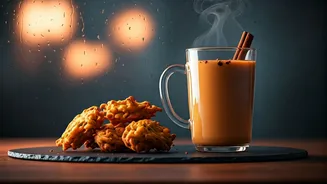
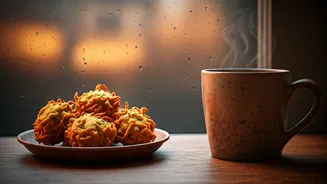
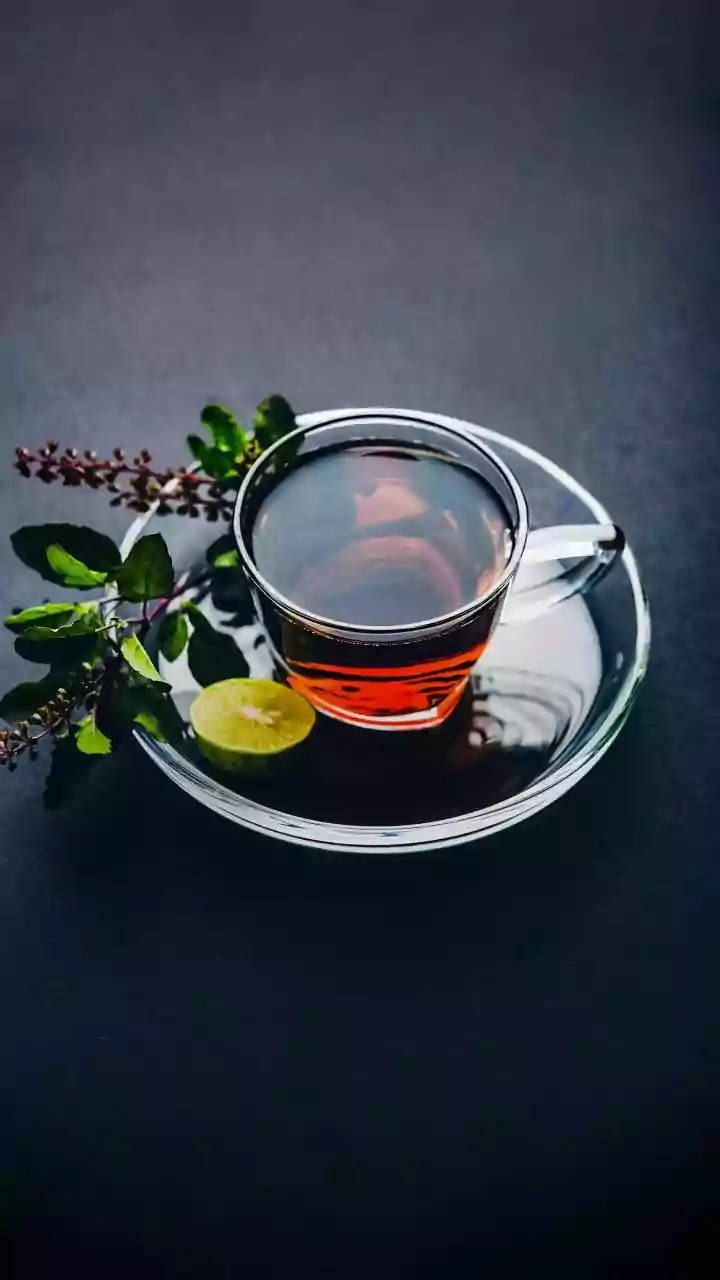
At the heart of the monsoon food experience are a few iconic players. Chief among them are pakoras (also known as bhajis), which are savory fritters made by dipping vegetables like onions, potatoes, or spinach into a spiced chickpea flour batter and deep-frying them until golden and crisp. They are the perfect textural contrast to a damp, gray day. Alongside them, you’ll often find samosas, the beloved triangular pastries filled with spiced potatoes and peas. The real magic, however, happens when these hot, crunchy snacks are paired with a steaming cup of masala chai. This isn't your average tea bag in hot water; it’s a fragrant brew of black tea, milk, sugar, and a blend of warming spices like cardamom, ginger, cloves, and cinnamon. The combination of spicy, savory, and sweet is the cornerstone of monsoon comfort.
A Ritual of Connection and Comfort
In countries like India, Pakistan, and Bangladesh, enjoying these snacks during a downpour is more than just a meal—it’s a cherished social ritual. It’s an impromptu occasion for family and friends to gather, share stories, and take a break from the daily hustle. The rain forces a pause, and the food becomes the centerpiece of that shared moment. Street food vendors do brisk business selling freshly fried pakoras to people seeking shelter from a sudden storm. At home, the kitchen becomes the hub of activity. This cultural context is key to understanding the trend’s appeal: it’s not just about eating fried food, but about embracing a specific kind of cozy, communal hygge that feels both nostalgic for those in the diaspora and wonderfully novel to newcomers.
How the Trend Went Global
So why are you seeing more of it now? Food creators on platforms like TikTok and Instagram have become powerful cultural ambassadors. Chefs and home cooks from the South Asian diaspora are sharing their family recipes and the stories behind them, beautifully capturing the sensory experience of a rainy day feast. Videos showcasing the sizzle of pakoras hitting hot oil or the perfect chai-dunking technique are going viral, introducing the concept to a new generation. For Americans, the appeal is obvious. It taps directly into our own love for rainy-day comfort food but offers a vibrant and exciting new flavor profile. It’s a delicious alternative to a pot of chili, transforming a gloomy afternoon into an opportunity for a culinary adventure without ever leaving the house.