








More Than Just a Chatbot
When you hear “bot-built,” you might picture a clunky chatbot struggling to understand your request for a beach hotel. But the technology driving this Indian travel trend is far more sophisticated. These are AI-powered platforms that act as hyper-intelligent,
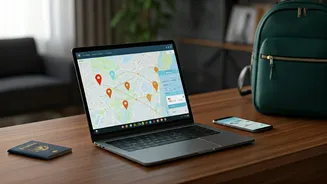
lightning-fast travel agents. Users input their basic desires—a romantic getaway in the mountains, a family-friendly beach trip, a solo backpacking adventure—along with their budget and dates. In seconds, the AI scours millions of data points, including flight prices, hotel availability, user reviews, travel times, and even hidden local experiences. The result isn't just a list of links; it’s a fully-formed, customizable itinerary, complete with logical routes, activity suggestions, and bundled booking options. Companies like MakeMyTrip, India’s largest online travel agency, along with fast-growing startups like Pickyourtrail and Thrillophilia, are at the forefront, turning a once-tedious process into a seamless digital experience.
The Perfect Storm in India
So, why is this taking off in India and not, say, Idaho? It’s a combination of unique market conditions. First, there's the demographic dividend: India has one of the world's youngest populations, a mobile-first generation that is not only comfortable with but expects digital solutions for everything. They haven’t just adopted smartphones; they’ve leapfrogged the desktop era entirely. Second, India’s domestic travel market is vast and incredibly complex. From the Himalayan peaks of Ladakh to the tropical backwaters of Kerala, the country offers a dizzying array of options that can overwhelm even seasoned travelers. Traditional travel agents can’t possibly master it all, and sifting through thousands of blogs and reviews is exhausting. AI planners cut through that noise, offering a curated, personalized path through the chaos. Finally, there's a strong cultural appetite for value and efficiency. An AI that can find the best flight deal, bundle it with a well-reviewed hotel, and suggest a money-saving local restaurant is a powerful proposition.
From Skepticism to a Travel Staple
Naturally, the idea of handing over a cherished vacation to a machine wasn't an instant sell. Early concerns revolved around a lack of human touch and the fear of generic, soulless itineraries. But the technology has evolved quickly. Modern platforms blend AI efficiency with human oversight. Many services offer the option to chat with a human expert to fine-tune the bot’s suggestions, providing a best-of-both-worlds approach. For a growing number of Indian travelers, the benefits now far outweigh the drawbacks. The primary appeal is saving time—what used to take weeks of research can now be accomplished in a lunch break. Users also report discovering destinations and activities they would have never found on their own. The AI can connect dots a human might miss, suggesting a unique local festival happening near a proposed hotel or a scenic detour that only adds 20 minutes to a drive. It’s a shift from passive booking to active, AI-assisted discovery.
Is This the Future for Everyone?
The Indian market is serving as a real-world laboratory for the future of travel. While the U.S. travel industry has integrated AI in areas like dynamic pricing and customer service, the full-funnel, itinerary-building model has yet to become mainstream. But the trends that made it successful in India—a desire for personalization, information overload, and a need for efficiency—are universal. American travelers are just as tired of spending hours toggling between 20 different browser tabs to plan a trip. The success of these Indian platforms offers a clear roadmap for global travel companies. The lesson isn't just about adopting new tech; it’s about using it to solve a fundamental consumer pain point. The bot isn’t just booking a flight; it’s giving the traveler their time back and promising a better, more tailored experience.