

The Ghostly Ascent
For most travelers, clear skies are the goal. We seek out destinations for their panoramic views and sun-drenched landscapes. But what if the point of the trip wasn't to see for miles, but to see almost nothing at all? Welcome to Mahabaleshwar during
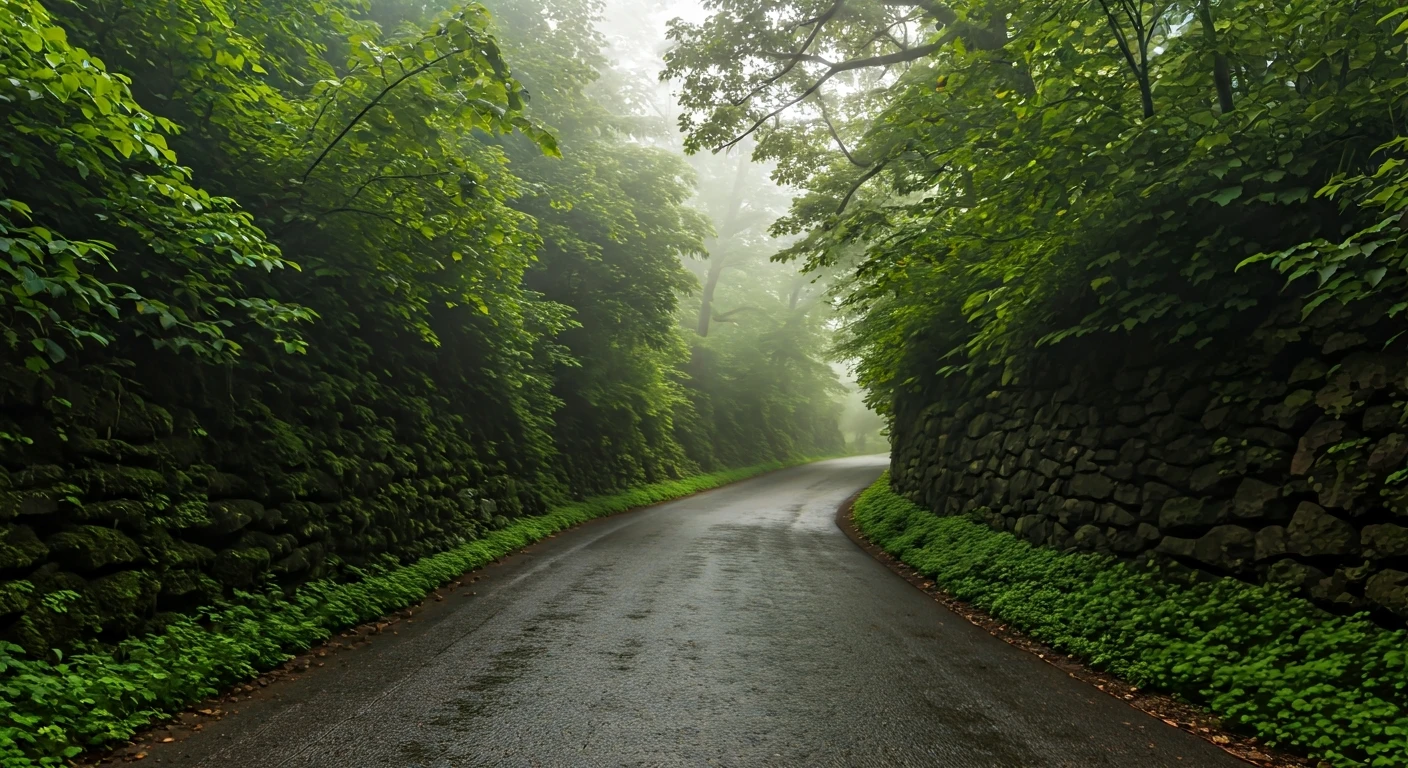
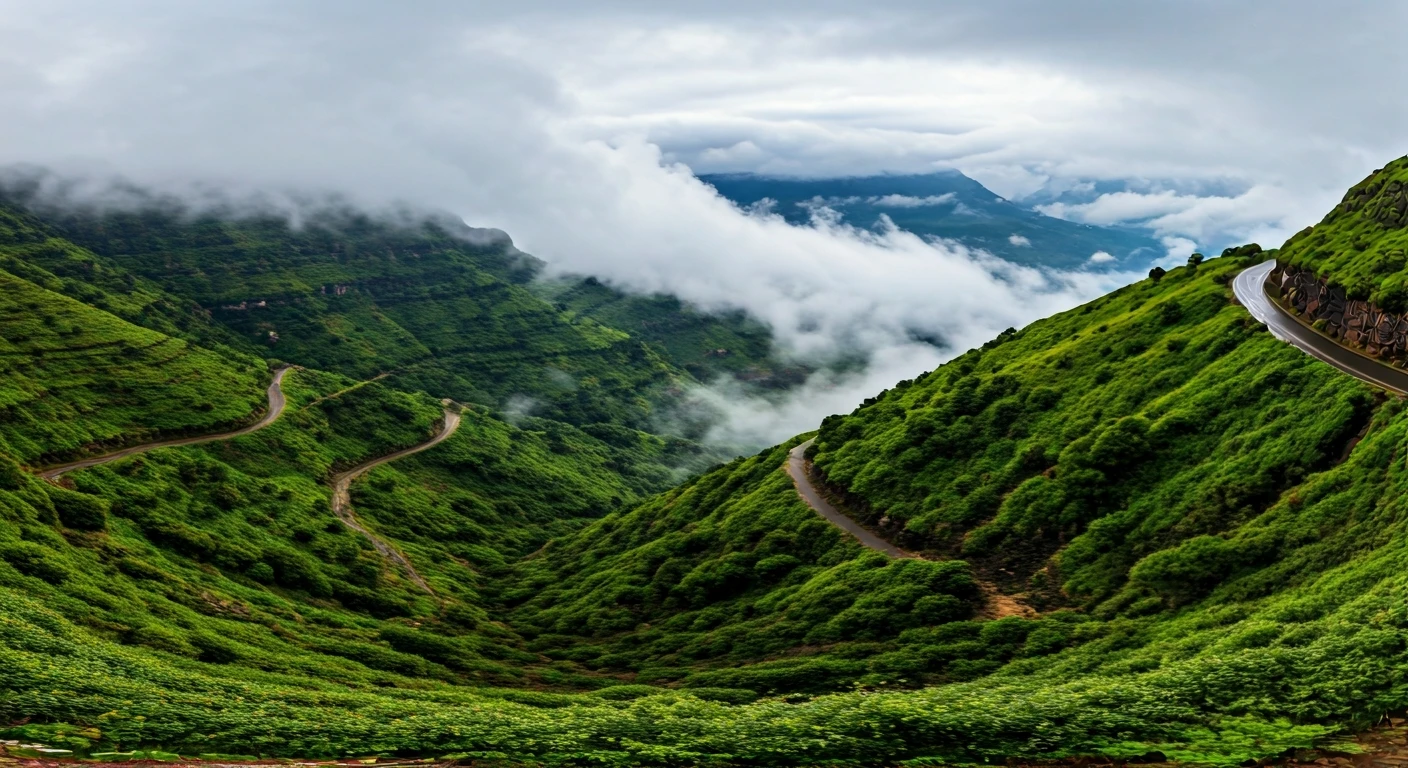
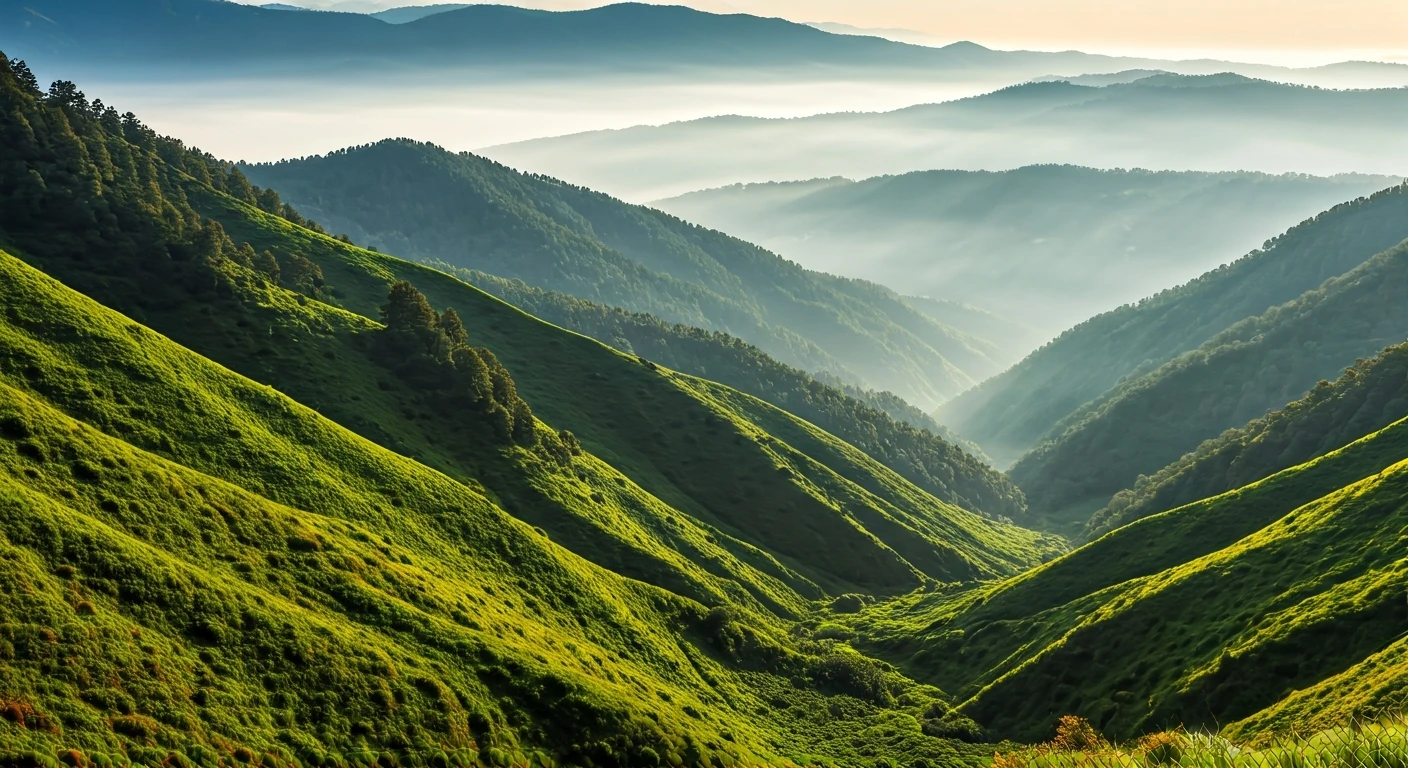
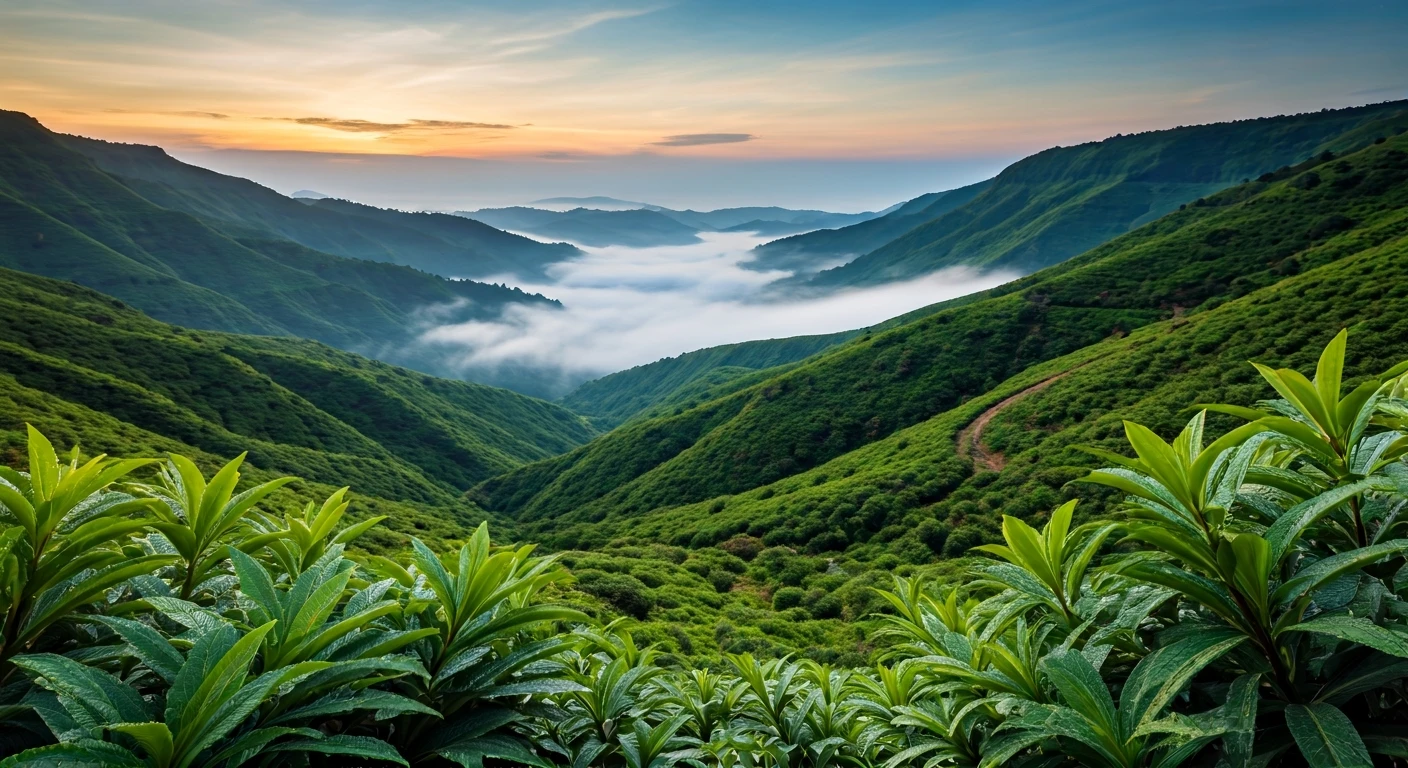
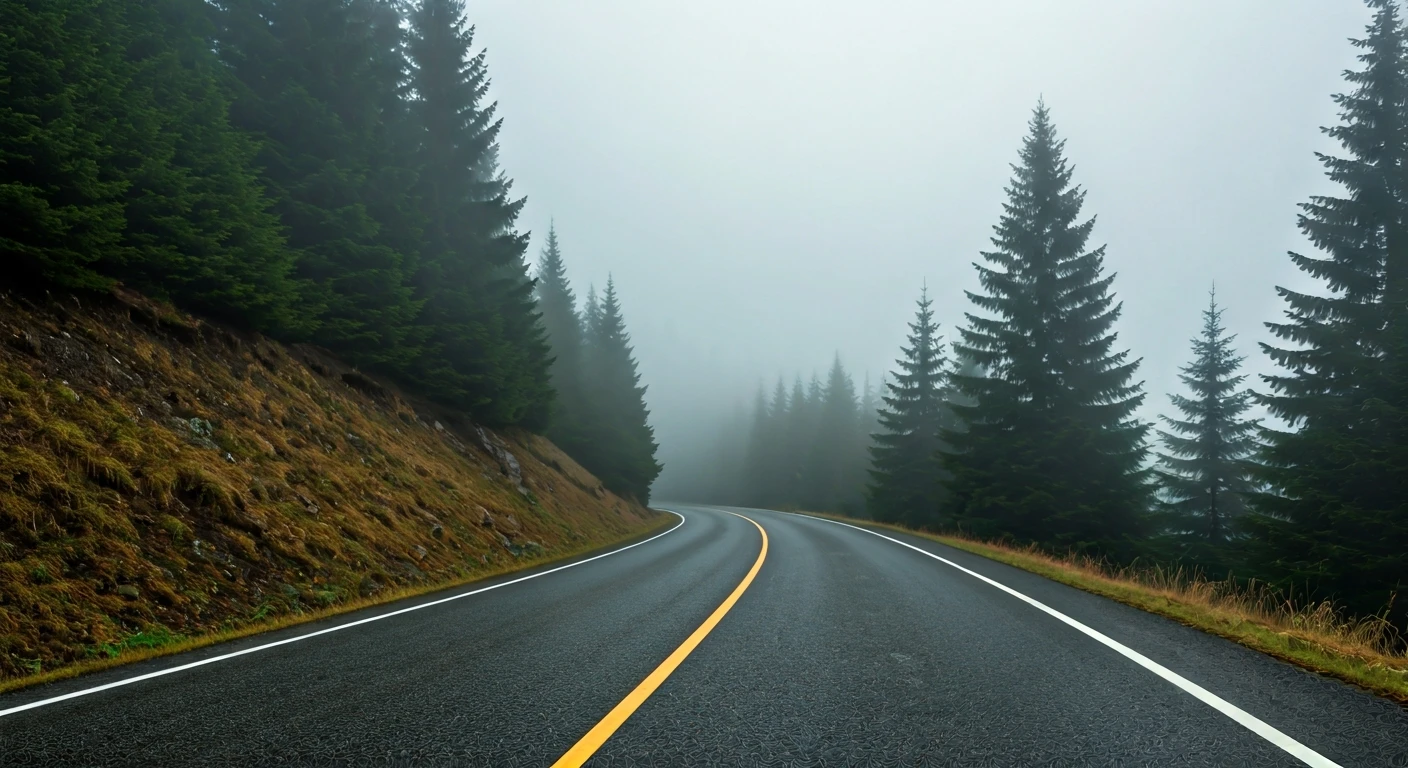
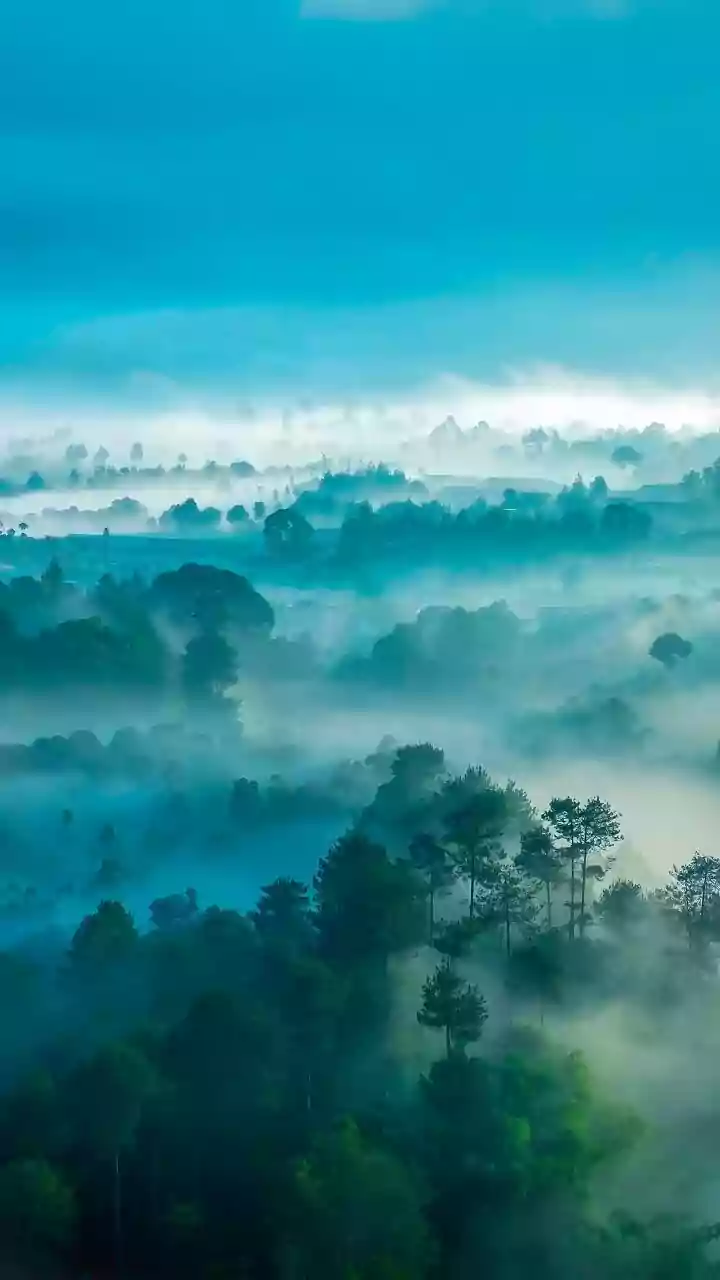
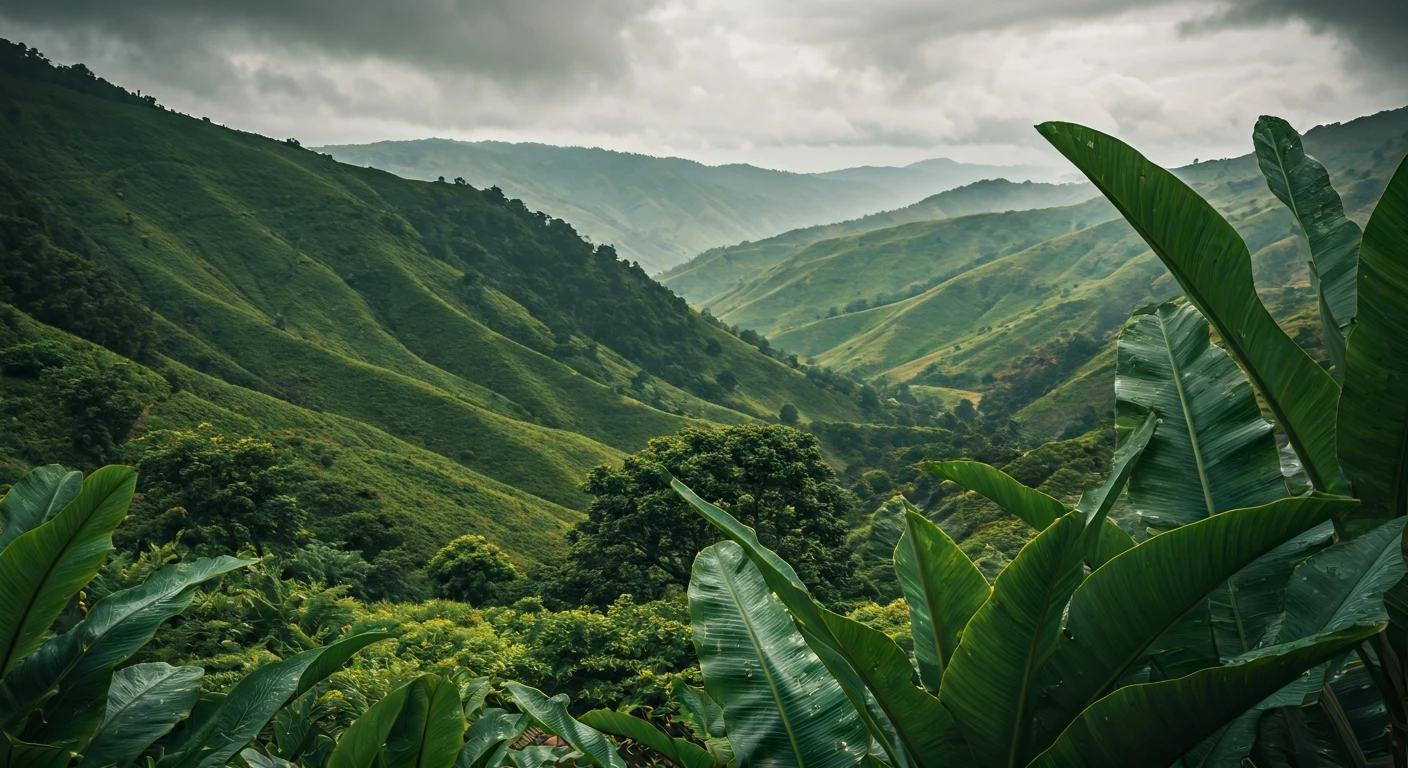
the monsoon. This hill station, nestled in India’s Western Ghats mountain range, was once a summer capital for the British seeking refuge from the plains' scorching heat. Today, it’s a popular getaway for city dwellers from Mumbai and Pune. While most tourists flock here for crisp winter air or the pre-summer bloom, the rainy season offers an entirely different, almost mystical, appeal. The journey itself is the first act of the drama. As you drive up the winding mountain roads, the world begins to dissolve. Patches of mist gather in the valleys below, then climb the hillsides like ethereal specters. Soon, you’re inside the cloud itself. Giant ferns and ancient trees lining the road emerge suddenly from the whiteout, dripping with moisture, only to recede back into the void moments later. The familiar becomes fantastical, and the drive becomes an exercise in faith and focus.
A Town Wrapped in Cotton
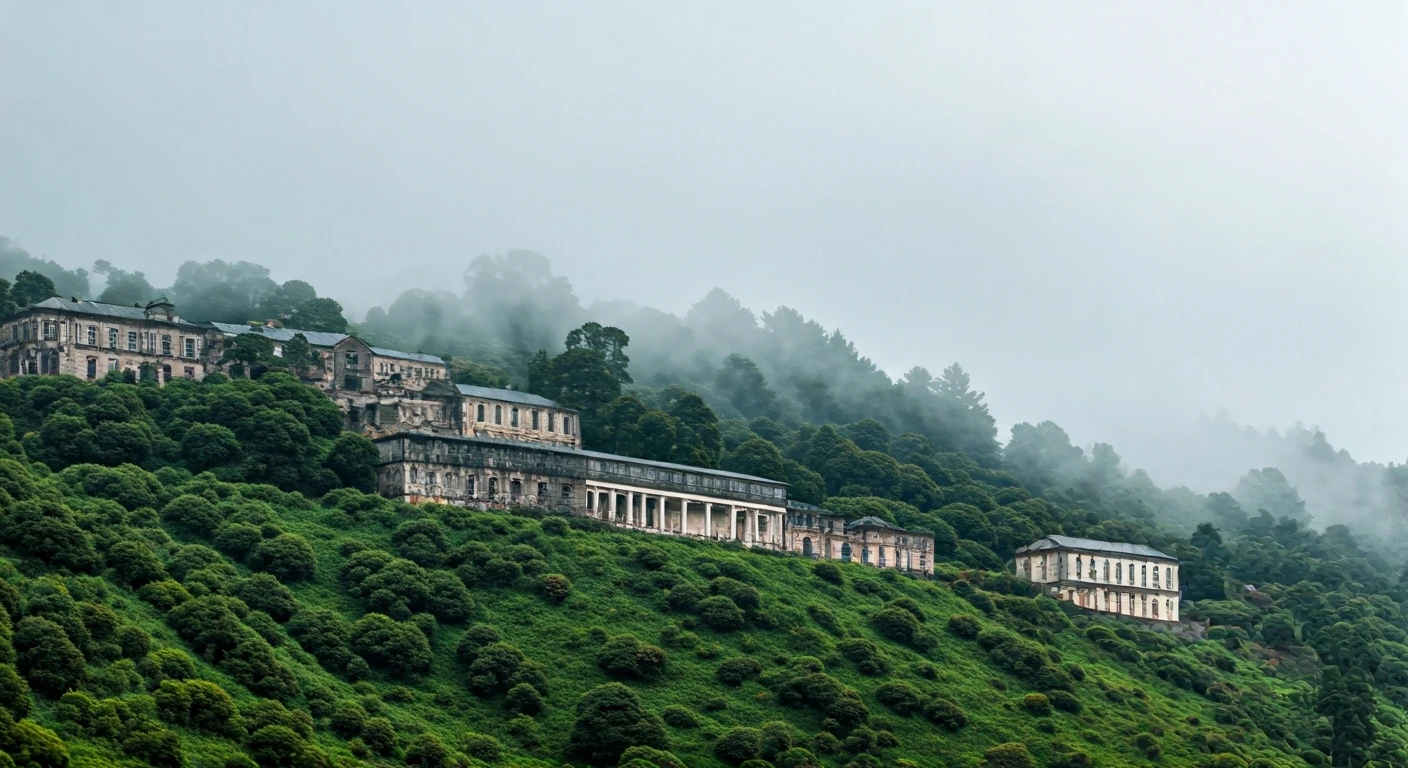
Arriving in the town of Mahabaleshwar feels like stepping onto a quiet, forgotten film set. The usual bustle of the main market is softened, its sounds muffled by the dense, damp air. The bright colors of shopfronts are muted, and the clip-clop of horses pulling tourist carriages takes on a haunting rhythm. The town’s colonial-era architecture—stone churches, gabled bungalows, and old clubs—sheds its quaintness and assumes a more gothic, mysterious character in the fog. A walk around Venna Lake, normally a hub of boating and activity, becomes a solitary, meditative experience as the opposite shore disappears entirely, leaving you with just the gentle lapping of water against the mist-shrouded banks. This is the core of the monsoon experience: the transformation of the known. For anyone who has visited Mahabaleshwar on a clear day, the contrast is profound. The place you thought you knew is gone, replaced by a quieter, more introspective version of itself.
Viewpoints of the Imagination
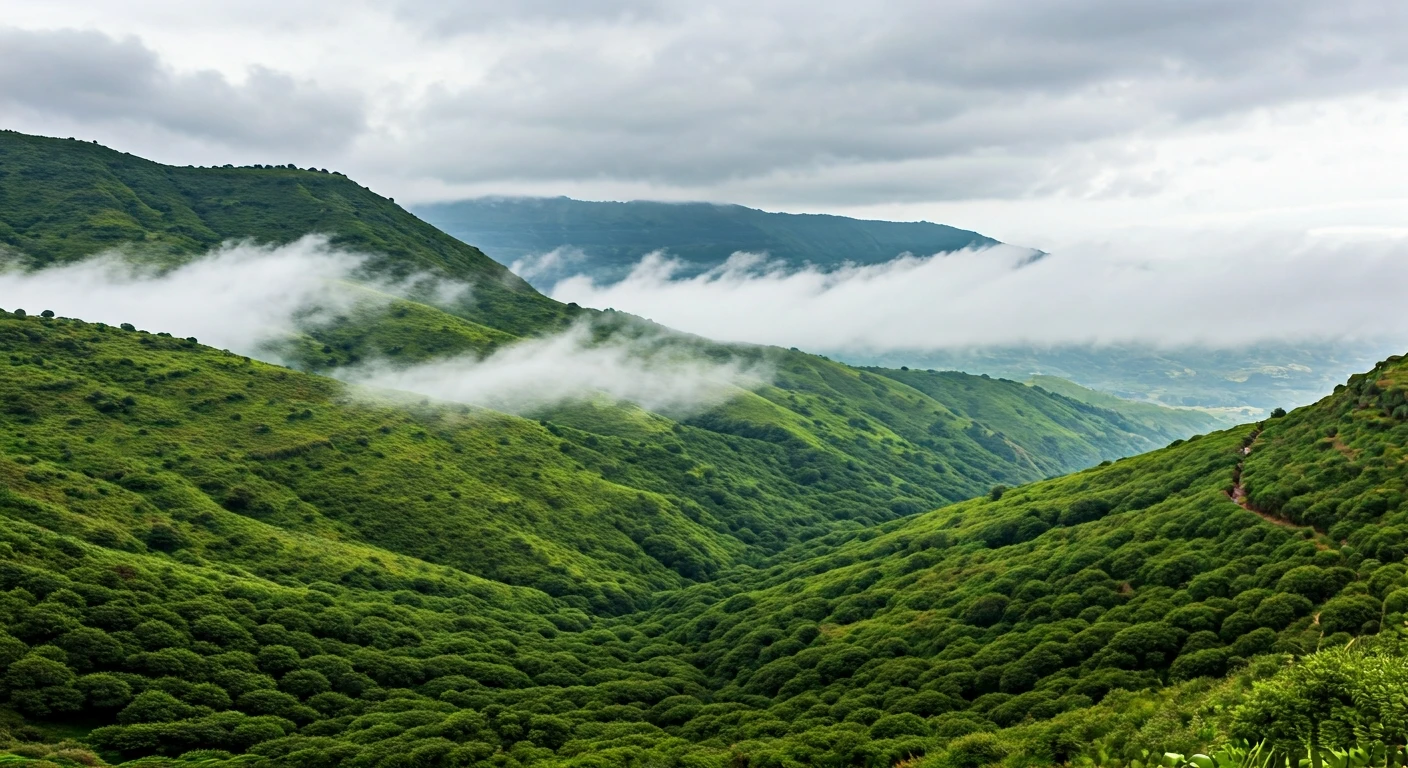
Mahabaleshwar is famous for its “points”—scenic overlooks like Arthur’s Seat, Kate’s Point, and Wilson Point that offer breathtaking views of deep valleys and layered mountain ranges. During the monsoon, they offer something else entirely: a uniform wall of white. Tourists arriving at these spots are often met with a sense of anticlimax. You stand at a railing, peering into a void, knowing that a spectacular vista lies just beyond the veil. But this is where the magic truly lies. Instead of seeing, you feel. You feel the wind carrying the cool, wet mist against your face. You hear the distant rush of a hidden waterfall, its sound amplified by the quiet. You are forced to use your imagination, to picture the chasm at your feet or the plateau across the valley. It’s a challenge to our sight-obsessed culture, a reminder that the most profound travel experiences aren't always about what you can capture with a camera. It’s about being present in a moment of sublime uncertainty.
The Cozy Counterpoint
The experience isn’t just about staring into the mist. The fog creates an intense desire for warmth and comfort, a feeling the town happily satisfies. The entire local economy seems to shift to meet the needs of the damp and chilly traveler. Roadside vendors sell roasted corn on the cob (bhutta), its smoky aroma cutting through the cool air, the kernels sprinkled with salt and lime. Cafes become cozy sanctuaries, perfect for nursing a steaming cup of masala chai or a rich hot chocolate. It's a perfect excuse to indulge in comfort food and find a snug corner in a hotel lobby or a local eatery. The fog outside makes the warmth inside feel earned and deeply satisfying. This cozy counterpoint—the contrast between the wild, misty outdoors and the warm, welcoming indoors—is a huge part of the destination’s monsoon charm.