

First Off, Where Is It?
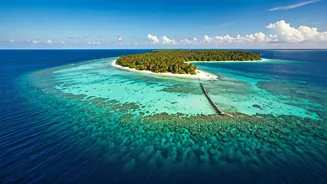
Before we get into the hurdles, let’s place Lakshadweep on a map. Imagine a sprinkle of 36 tiny islands scattered in the Arabian Sea, a few hundred kilometers off the coast of Kerala in southwestern India. Only about ten of these islands are inhabited.
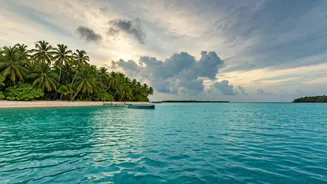
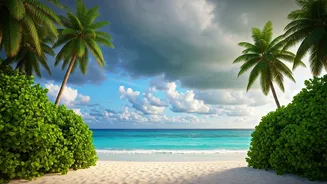
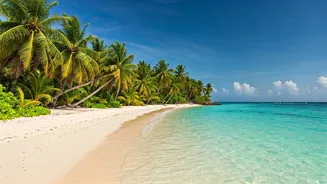
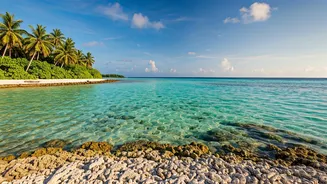
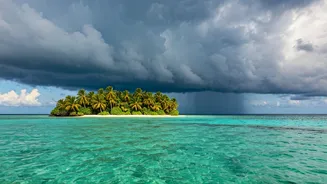
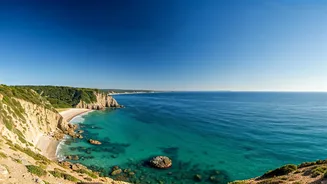
This isn't a sprawling Caribbean nation; it's a Union Territory of India, administered directly by the central government. Its name means “one hundred thousand islands” in Sanskrit, but its true appeal is its isolation and pristine nature. The islands are coral atolls, meaning they are exceptionally fragile ecosystems built on coral reefs. This geographical fact is the root of both their stunning beauty and the intense regulations governing them.
The Labyrinth of Permits
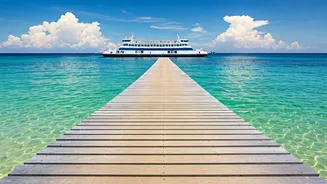
Here's the first and highest wall for any aspiring visitor: bureaucracy. You cannot simply book a flight and a hotel. Every single visitor, including Indian citizens from the mainland, requires an official entry permit from the Lakshadweep administration. For foreign tourists, the process is even more restrictive. Independent travel is virtually impossible. Most foreigners can only visit as part of a pre-booked package tour on specific islands, like Bangaram, and often must stay at the government-run resorts. These packages, managed by the Society for Promotion of Nature Tourism and Sports (SPORTS), are the only legitimate gateway. Forget finding a quirky Airbnb or backpacking between islands; the entire system is designed to control numbers and monitor movement to protect the local culture and environment.
The 'Storm-Watch' Isn't a Metaphor
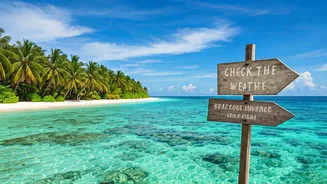
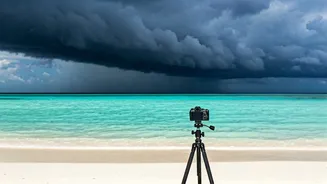
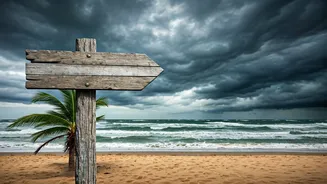
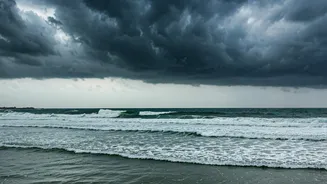
The headline’s warning is literal. Lakshadweep is squarely in the path of the powerful Southwest Monsoon, which drenches the region from roughly June through September. During these months, the seas become treacherous, and travel is severely curtailed. Flights and ships from the mainland (primarily from Kochi) are frequently cancelled, and inter-island transport can grind to a halt. Even outside the peak monsoon, the Arabian Sea is a known cyclone basin. A trip planned for the “good” season can still be upended by a sudden storm system. This isn't a case of a few rainy afternoons; it's a risk of being stranded on an island with limited resources or having your entire trip cancelled before it even begins. Planners must watch weather patterns with the seriousness of a sea captain, not a tourist.
Managing Your Luxury Expectations
If your idea of an island getaway involves overwater bungalows with private infinity pools and Michelin-starred chefs, Lakshadweep will be a shock to your system. While the natural beauty is five-star, the infrastructure is not. Accommodations are generally simple, clean, and often government-operated. The focus is on eco-tourism and basic comforts, not opulent luxury. You come here for the diving, the snorkeling, and the tranquility, not for the spa treatments or the nightlife (of which there is virtually none, as alcohol is prohibited on all islands except Bangaram). Internet access is patchy at best, and food options are typically limited to what is served at your designated resort. It’s an unplugged experience by necessity, not just by choice.