



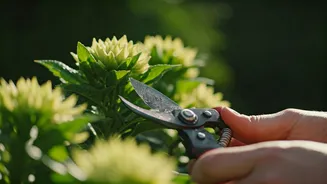
The Golden Hour for Gardeners
Think of June as the golden hour for your garden's structure. After the spring bloom frenzy, plants are flush with energy, sunlight is abundant, and for many parts of the country, rain is plentiful. This combination creates a perfect storm for explosive,
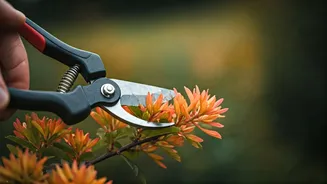
often chaotic, growth. While that vigor is a sign of a healthy plant, it can quickly lead to overcrowding, tangled limbs, and a generally unkempt appearance.Pruning in June capitalizes on this moment. Unlike dormant-season pruning, which is mainly about removing deadwood and setting a framework, early summer pruning is about actively shaping the plant in its peak growth phase. Because the plant is photosynthesizing at full tilt, it will heal from cuts almost immediately, pushing out new, more directed growth. You’re not just trimming; you’re channeling the plant’s energy exactly where you want it to go, ensuring a robust and well-behaved plant for the rest of the summer.
From Messy to Magnificent
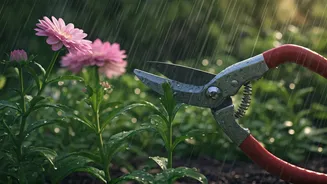
The word "messy" in a garden context means more than just a disheveled look. Rainy, humid weather coupled with dense foliage creates the perfect breeding ground for fungal diseases like powdery mildew. When branches are tangled and overgrown, air can't circulate freely, trapping moisture on leaves. Strategic pruning opens up the plant's structure, allowing air and sunlight to penetrate the interior, which is one of the most effective, non-chemical ways to prevent disease.Furthermore, “messy” growth is often inefficient. Plants waste energy supporting weak, crossing, or poorly placed branches that contribute little to the overall health or beauty. By removing this unproductive growth, you redirect the plant’s resources toward developing stronger limbs, more flowers, and better fruit. A few well-placed cuts now prevent a triage situation later, turning a potential liability into a thriving, magnificent specimen.
Your June Pruning Hit List
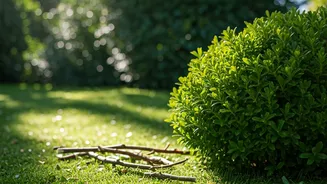
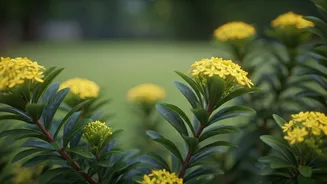
Not every plant wants a June haircut. The key is to focus on plants that have either finished their main show or are getting a bit too enthusiastic. Your primary targets should include:* **Spring-Blooming Shrubs (Post-Flower):** This is your chance to shape lilacs, forsythia, weigela, and rhododendrons after their flowers have faded. Pruning them now ensures you won’t accidentally remove the buds for next year’s floral display, which they will set on old wood later in the summer.* **Overzealous Perennials:** Plants like catmint (Nepeta), hardy geraniums, and salvia can become floppy and open in the middle after their first flush of blooms. Cut them back by about a third to a half. This technique, sometimes called the "Chelsea Chop," encourages a new, more compact mound of foliage and often a second wave of flowers.* **Hedges and Topiaries:** For formal hedges like boxwood, yew, or privet, a light trim in June will keep their lines crisp and clean as they put on their summer growth spurt.* **Rambling Roses and Climbers:** Tie in and trim any wild, out-of-place canes on climbing roses or other vines to guide their growth and maintain their structure.
The Only Two Cuts You Need
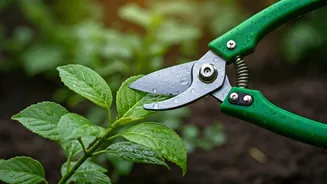
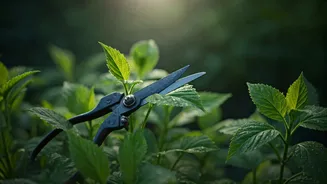
You don't need to be a master horticulturist to prune effectively. In fact, most jobs can be done with two basic types of cuts. Always use clean, sharp tools to avoid crushing stems and spreading disease.1. **Thinning Cuts:** This involves removing an entire branch all the way back to its point of origin—either at the main trunk, a larger branch, or the ground. Thinning cuts are your best friend for improving air circulation and reducing density without changing the plant's natural shape. Use them to eliminate crossing branches, open up the center of a shrub, and remove weak growth.2. **Heading Cuts:** This means trimming the end of a shoot, which encourages the buds farther down the stem to sprout. This is the cut you use to make a plant bushier or to shape a hedge. It’s perfect for the perennial “chop” mentioned earlier or for creating a denser, more formal look. Just be mindful not to overdo it, as too many heading cuts can create a thicket of weak, twiggy growth on some plants.