





Why June Is the Magic Month
Pruning can feel intimidating. The fear of cutting too much and harming a beloved plant is real. But think of it less as a haircut and more as a health-boosting vitamin shot. In early summer, most houseplants are entering their most active growth phase.
They have abundant light and warm temperatures, signaling their internal systems to produce new leaves, stems, and roots. When you prune during this period, the plant recovers almost immediately. Instead of struggling to heal a wound in the dormant winter months, it redirects its massive energy reserves into pushing out fresh, lush growth. A well-timed cut in June encourages branching, leading to a fuller, more robust plant rather than a leggy, sparse one. It’s a proactive step that works *with* your plant’s natural life cycle, not against it.
The Pruning Hit List: Who to Trim
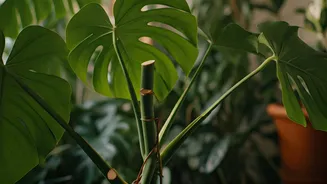
Not every plant needs or wants a June trim, but many common favorites thrive on it. Focus your attention on these MVPs (Most Valuable Plants) of the pruning world: * **Vining Plants (Pothos, Philodendron, Hoya):** These fast growers can get long and leggy. Trimming back some vines encourages them to become bushier from the base. Plus, the cuttings are incredibly easy to propagate in water, giving you new plants for free. * **Fiddle Leaf Figs & Rubber Plants:** These trendy trees can become top-heavy or sparse at the bottom. Pruning the top growth—a practice called “heading back”—encourages the plant to branch out from lower down the stem, creating a fuller, more treelike shape. * **Monstera Deliciosa:** While you don’t need to prune a Monstera heavily, removing yellowing lower leaves or trimming aerial roots that have become unruly can clean up its appearance and direct energy to new, fenestrated foliage. * **Leggy Succulents:** Succulents that have stretched out in search of light (a process called etiolation) can be beheaded. Cut the rosette top off, let the stem callous over for a few days, and then replant it in soil. The original stem will often sprout new baby plants.
The Golden Rules of the Cut
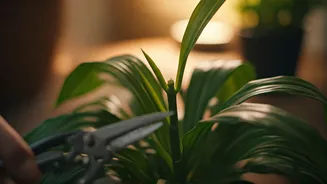
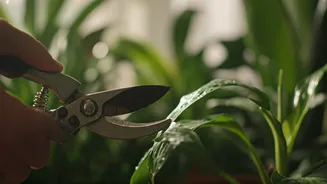
Technique matters. A sloppy cut can damage the plant or invite disease. Follow these simple rules for a clean, effective prune. First, identify your target. Look for leggy stems, yellowing leaves, or branches that are making the plant look unbalanced. Next, locate a node—the small bump on a stem where leaves and new branches emerge. Always make your cut about a quarter-inch above a node, at a 45-degree angle. This angle prevents water from pooling on the cut surface, which can lead to rot, and positioning it above a node tells the plant exactly where to sprout new growth. The cardinal rule is moderation. Never remove more than 25-30% of the plant's total mass at one time. A light trim is always better than an aggressive one, especially if you’re a beginner. You can always take more off later, but you can’t glue a branch back on.
Essential Tools for the Job
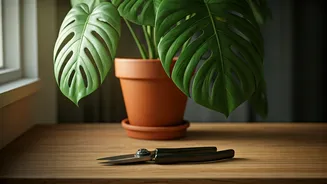
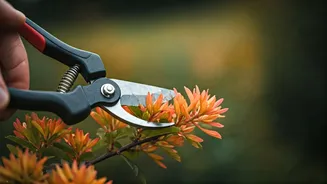
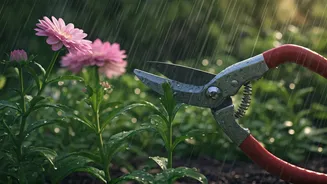
You don't need a professional toolkit, but the right tools make the job cleaner and safer for your plant. For most houseplants, a sharp, clean pair of scissors or small handheld pruners (often called bypass pruners) is all you need. The key words here are *sharp* and *clean*. A dull blade can crush the plant's delicate tissues, creating a ragged wound that heals slowly. A dirty blade can transfer bacteria or fungal spores from one plant to another. Before you start, and between each plant, wipe your blades down with a cotton ball soaked in rubbing alcohol. This simple act of sterilization is one of the biggest differentiators between a novice and a seasoned plant parent, and it’s the best way to prevent the spread of disease through your indoor jungle.