



The Psychology of the Downpour
The connection between dreary weather and a desire for hearty, warm, and nostalgic food isn't just in your head. It’s a well-documented psychological phenomenon. When the skies are dark and the air is damp, our bodies naturally seek warmth and comfort.
Simple carbohydrates and rich, fatty foods can trigger the release of serotonin, a neurotransmitter that contributes to feelings of well-being and happiness. It’s a primal instinct: faced with the gloom of the outside world, we instinctively retreat and seek solace. For years, this was an unspoken truth of home cooking. A rainy Sunday was the perfect excuse for a slow-cooked pot roast, a rich lasagna, or a batch of chocolate chip cookies. But the restaurant industry, ever attuned to the subtle currents of consumer desire, is now codifying this instinct into a deliberate culinary and business strategy. They're not just waiting for you to crave comfort; they're actively curating the experience for you.
The Rainy Day Special, Reimagined
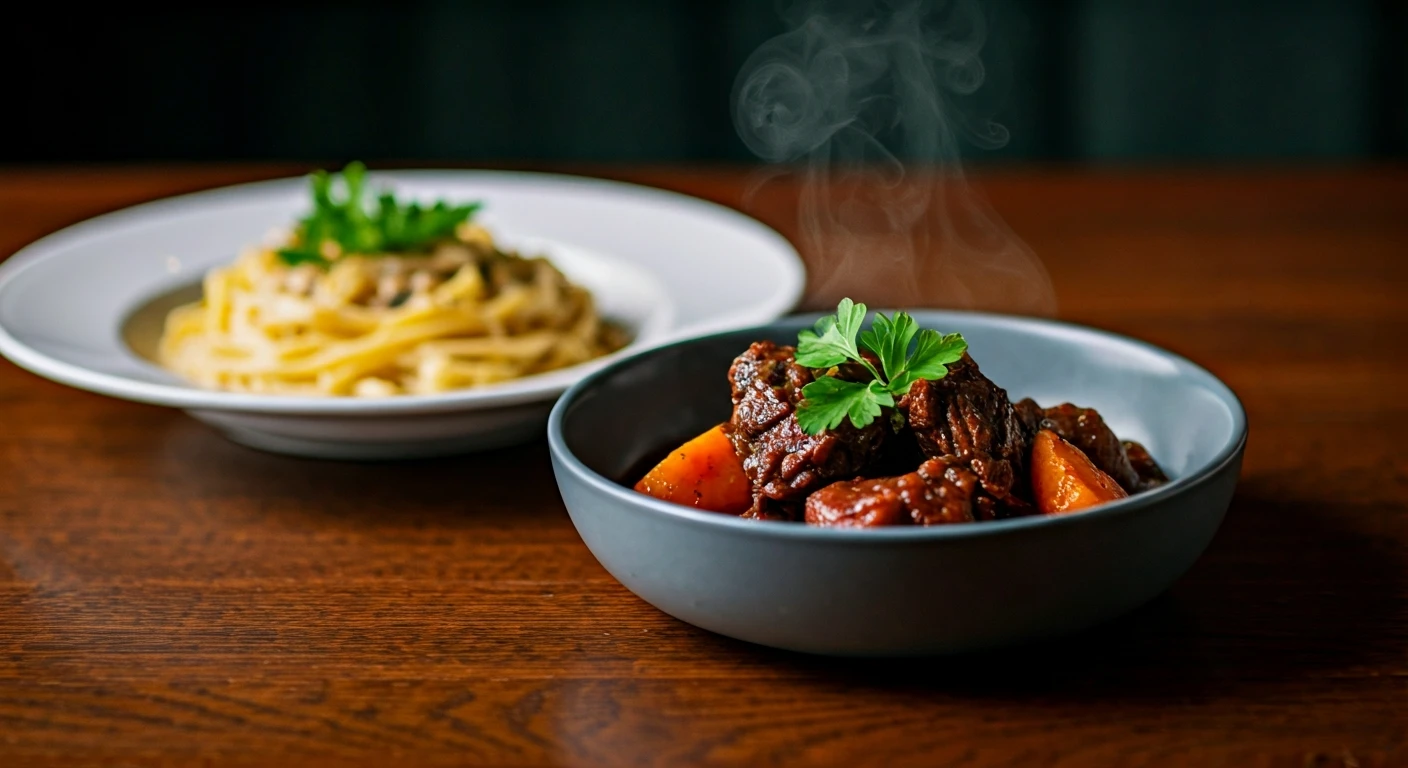
The classic “rainy day special” used to be a simple, almost gimmicky, affair: a discount on a bowl of soup or a free coffee with your entree. While those deals still exist, a more sophisticated approach is taking hold. Forward-thinking chefs are building entire “weather-contingent menus” that only appear when the forecast calls for rain. It transforms a weather event from a business-dampening nuisance into a unique marketing opportunity. Imagine walking into a neighborhood bistro in Brooklyn on a drizzly Tuesday to find a small, chalk-written menu next to the regular one. It might feature a slow-braised short rib, a creamy polenta with wild mushrooms, or a classic French onion soup, its cheese pull promising unparalleled satisfaction. In Seattle, a city that knows a thing or two about rain, a Thai restaurant might offer a special, extra-aromatic bowl of Khao Soi curry noodles only on days with persistent showers. This isn't just about offering a discount; it's about offering a specific, curated mood that says, “We get it. Come in, dry off, and let us take care of you.”
More Than Just Good Business
From a purely commercial perspective, the logic is flawless. Rainy days are notorious for depressing restaurant foot traffic. People are less likely to venture out, leading to empty tables and frustrated owners. By creating an exclusive, desirable experience tied directly to the bad weather, restaurants give customers a compelling reason to put on their rain boots and head out the door. It creates a sense of occasion and urgency—if you want that special dish, you have to go *now*, while it’s raining. But the appeal runs deeper than just shrewd marketing. It’s an act of radical hospitality. In an industry that can sometimes feel transactional, a rainy day menu is a gesture of empathy. It acknowledges the shared human experience of being a little down on a gloomy day and offers the perfect antidote. This builds a powerful emotional connection between the diner and the establishment. You’re more likely to remember—and return to—the restaurant that offered you a perfect bowl of ramen on a miserable day than one that simply offered 10% off.
What's On the Menu?
While the quintessential grilled cheese and tomato soup combo will always be a champion of the genre, chefs are getting increasingly creative. The modern rainy day menu is a global tour of comfort. Think of the dishes that feel like a warm hug in a bowl. For an Italian spot, it might be a rich Bolognese that’s been simmering for hours or handmade gnocchi blanketed in a gorgonzola cream sauce. A modern American restaurant could feature a decadent mac and cheese elevated with truffle oil and Gruyère. For a Mexican taqueria, it might be a steaming bowl of pozole rojo, its hominy and pork swimming in a complex, chile-infused broth. Even bakeries are getting in on the act, offering warm bread pudding or sticky toffee pudding, available only when the clouds roll in. The common thread is a sense of richness, warmth, and soul-soothing satisfaction that cuts through the chill.