




The Supermarket Standard: Tommy Atkins
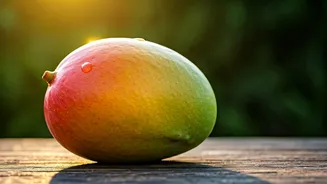
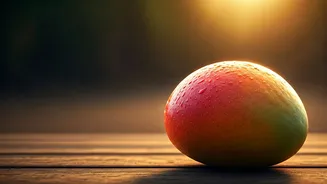
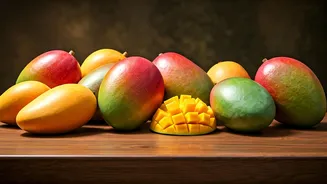
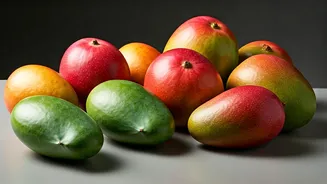
This is likely the mango you know best. The Tommy Atkins is the undisputed champion of the American supermarket for one simple reason: it's tough. Bred in Florida in the 1920s, this variety was designed for durability, not necessarily flavor. It ships
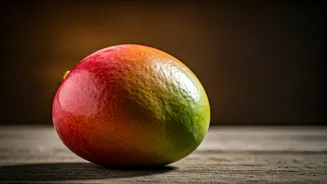
well, resists bruising, and has a long shelf life, with a beautiful but often misleading red and green blush. The trade-off? The flesh is notoriously fibrous and the flavor is mild and sometimes a bit watery. It's a perfectly fine starting point and great for smoothies where texture is less of an issue, but it's the gateway mango, not the destination. Think of it as the sturdy sedan of the fruit world—reliable, ubiquitous, but not exactly a thrill ride.
The Silky Upgrade: Ataulfo (Honey Mango)
If you've started to level up your mango game, you've met the Ataulfo. Often marketed as a Honey Mango, this small, kidney-bean-shaped fruit is a gift from Mexico. It's a complete departure from the Tommy Atkins. The first thing you'll notice is the lack of fibers. The flesh is buttery, velvety, and melts in your mouth. Its flavor is consistently sweet with a slight tartness and a rich, almost peachy aroma. They are small and their skin is delicate, turning a deep golden yellow when perfectly ripe and wrinkling slightly when it's time to eat. For Americans looking for a better mango experience without having to hunt, the Ataulfo is the perfect, widely available choice.
The King of Mangoes: Alphonso
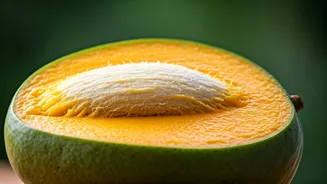
Now we're talking. The Alphonso, primarily from the Ratnagiri and Devgad regions of India, is the stuff of legend. It’s often called the “King of Mangoes,” and for good reason. It has a rich, creamy, non-fibrous texture and a complex flavor that combines notes of apricot, peach, and citrus with an intense sweetness. Its saffron-colored flesh is intoxicatingly fragrant. So why isn't it everywhere? Fresh Alphonsos are delicate, have a short season (April to June), and for decades were banned from import into the U.S. While importation rules have relaxed, they are now required to be irradiated, which some purists claim affects the taste. You're more likely to find them in Indian grocery stores during their brief season, or, more commonly, as canned pulp (purée), which is a pantry staple for making lassis and desserts.
The Florida Favorite: Kent
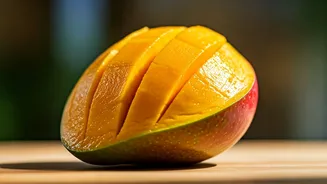
Think of the Kent as the perfected version of the American mango. Developed in Florida, it’s a large fruit that stays mostly green with a red or yellow blush even when ripe. Don't let the color fool you; a ripe Kent will feel soft to the touch. The real magic is inside. Kents have very few fibers, resulting in a smooth, juicy texture. The flavor is rich and sweet, with a classic mango taste that's a significant step up from the Tommy Atkins. They are a late-season variety, so you'll often see them in stores during the summer months after the Honey mangoes have peaked. For a delicious, low-fiber mango you can find in a regular grocery store, the Kent is a fantastic and reliable bet.
The Languid One: Langra
A celebrated variety from Northern India, particularly from the region around Varanasi, the Langra is a connoisseur's mango. The name 'langra' means 'lame' in Hindi, supposedly after a lame farmer who first cultivated the variety. This medium-sized mango is known for retaining a greenish tinge even when fully ripe. Its defining characteristic is its unique flavor profile: it's sweet, but with a distinct and pleasant acidic, almost citrus-like finish that cuts through the richness. While not as fiber-free as an Alphonso, its taste is so prized that fans easily forgive the texture. Finding fresh Langra mangoes in the U.S. is a treasure hunt, typically limited to specialty Indian or Pakistani grocery stores for a very short window in the summer.
The Honey-Sweet Jewel: Chaunsa
Originating from Pakistan, the Chaunsa is another mango that inspires devotion. It's considered one of the sweetest mangoes in the world, with a wonderfully fragrant aroma and a tender flesh that has minimal fiber. It typically arrives later in the season, around July and August, making it the grand finale of the South Asian mango calendar. Its skin is a soft yellow, and the fruit feels plump and heavy for its size. The flavor is a pure, unadulterated sweetness—a liquid sunshine quality that makes it incredible for eating fresh. Like the Alphonso and Langra, the Chaunsa is a rare treat in the U.S., but one worth seeking out during its peak season for a taste of mango perfection.