




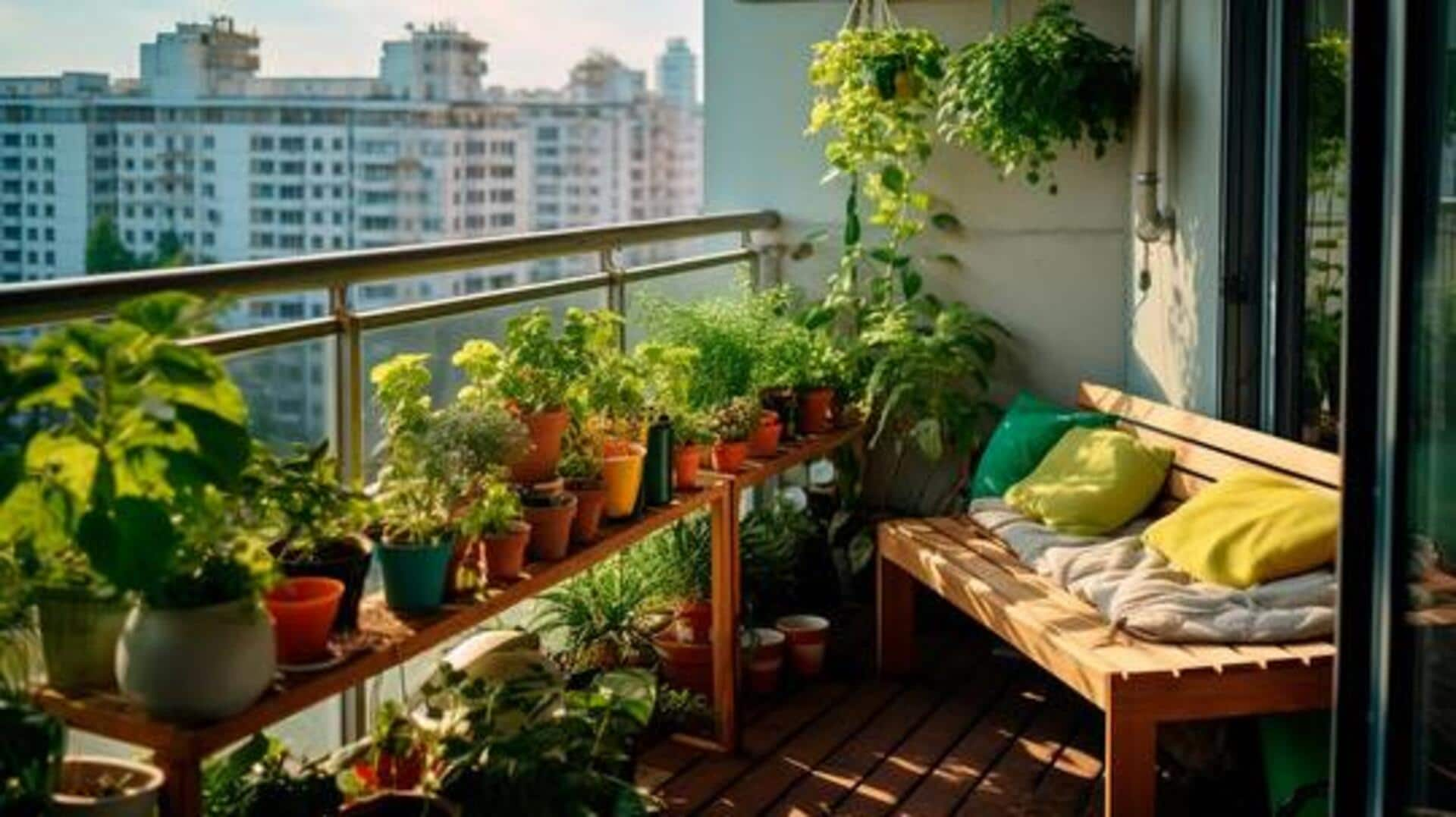
Start with the Right Containers
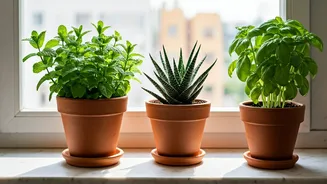
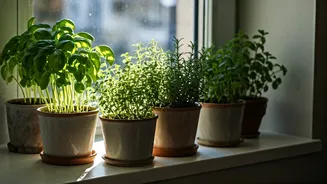
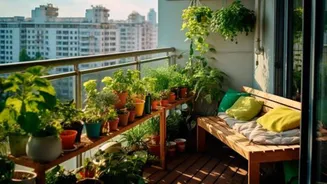
The foundation of any successful balcony garden is the container. Forget needing a massive yard; the key is choosing pots that fit your space and your plants' needs. For most salad greens, a container that's at least 6-8 inches deep provides enough room
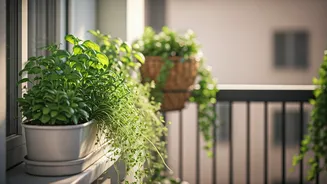
for roots to thrive. Look for standard terracotta or plastic pots, fabric grow bags, or specialized railing planters that hang over the edge to save precious floor space. Hanging baskets are perfect for trailing herbs or compact lettuces. The single most important feature? Drainage holes. Without them, water will pool at the bottom, leading to root rot, the sworn enemy of container gardeners. If you fall in love with a decorative pot that lacks holes, you can often drill them yourself or use it as a cachepot (a decorative outer pot) with a functional, drilled pot inside.
Get the Dirt on Soil
Don't be tempted to scoop up soil from a nearby park or your backyard. Garden soil is too heavy and dense for containers. It compacts easily, choking out roots and preventing proper drainage. Instead, head to your local garden center for a bag of high-quality potting mix. This is a specially formulated, lightweight blend of materials like peat moss, compost, and perlite or vermiculite, designed to retain moisture while allowing for excellent aeration and drainage. It’s the ideal environment for healthy roots in a contained space. Think of it as giving your plants the perfect penthouse apartment—all the amenities they need to flourish. One bag is usually more than enough to get several pots started.
Pick Your Salad Superstars
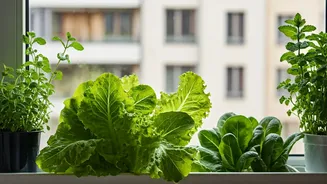
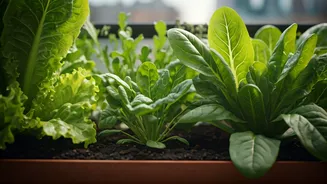
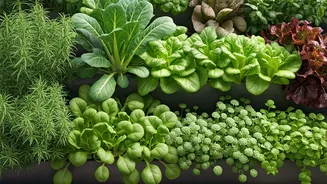
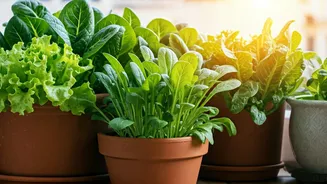
This is the fun part. For a mini salad farm, focus on plants that grow quickly and allow for repeat harvests. 'Cut-and-come-again' varieties are your best friend. These are plants where you can snip the outer leaves, and the center will continue to produce new growth for weeks. Top contenders for beginners include: * **Loose-leaf Lettuce:** Varieties like 'Black Seed Simpson' or 'Oakleaf' are incredibly easy. You can be harvesting leaves in as little as 30 days. * **Spinach:** A nutrient-dense and fast-growing green that loves the cooler weather of spring and fall. * **Arugula:** Known for its peppery kick, arugula grows like a weed (in a good way) and adds a gourmet touch to any salad. It’s ready to harvest in about three weeks. * **Kale:** Choose a 'Lacinato' or 'Dwarf Blue Curled' variety for a compact plant that will give you tender leaves all season long. You can harvest the lower leaves as needed. Most of these can be grown easily from seed, which is the most cost-effective option.
Add Some Herbal Heroes
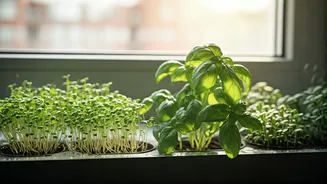
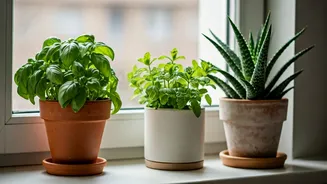
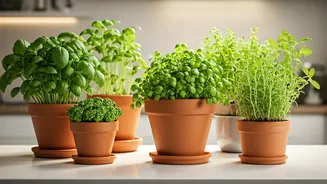
What’s a salad without a little extra flavor? Herbs are fantastic companions in a balcony garden because many of them thrive in containers and require minimal care. They can often be tucked into the same pots as your greens or given their own small home. Start with the essentials that are nearly foolproof. * **Mint:** Famously easy to grow—so much so that you must keep it in its own pot, or it will take over everything. Perfect for summer drinks and salads. * **Chives:** This mild member of the onion family provides a delicate flavor. Snip the green tops as needed, and they’ll grow right back. * **Basil:** A summer classic that loves sun and warmth. Pinch the tops to encourage bushier growth and keep it from flowering for a longer harvest. * **Parsley:** Both curly and flat-leaf varieties do well in pots and provide a fresh, clean taste.
Master Watering and Harvesting
Container plants dry out much faster than plants in the ground, especially on a sunny or windy balcony. The best way to check for thirst is to stick your finger about an inch into the soil. If it feels dry, it's time to water. Water thoroughly until you see it running out of the drainage holes. This ensures the entire root ball gets a drink. In the heat of summer, you may need to water every day. When it’s time to harvest, use a clean pair of scissors. For cut-and-come-again greens, snip the outer leaves, leaving the smaller, central leaves intact. For herbs, snip what you need but never take more than one-third of the plant at a time. This regular harvesting actually encourages the plants to produce more, giving you a continuous supply for your kitchen creations.