






The Hospitality Paw-print
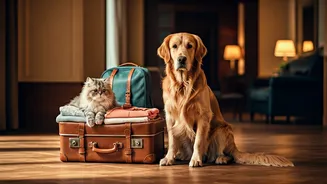
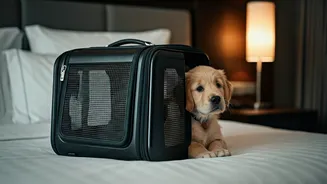
The most visible sign of this shift is in the hospitality sector. Hotels have moved far beyond merely “allowing” pets. Chains like Kimpton have built their brand on being radically pet-friendly, offering plush beds, water bowls, and treats upon arrival—with
no extra fees or size restrictions. They even have Directors of Pet Relations at many properties. Hilton’s portfolio includes brands like Canopy and Homewood Suites that actively court pet owners, recognizing that for many travelers, a vacation isn’t complete without their four-legged family members. This isn’t just an act of generosity; it's smart business. A 2023 AAA survey revealed that over a quarter of dog owners plan to travel with their pets. By offering amenities like dedicated dog parks, gourmet “bark-cuterie” boards, and even pet-sitting services, hotels are tapping into a loyal and lucrative market that’s willing to spend more for an inclusive experience.
A New Altitude for Air Travel
The friendly skies are becoming friendlier for pets, too, albeit at a different pace. For decades, the only option for larger dogs was the anxiety-inducing cargo hold. While major airlines still have strict in-cabin size limits, the market has responded to demand. Semi-private carriers like JSX have made a name for themselves by allowing medium-to-large dogs to fly in the cabin with their owners, occupying the floor space for the price of a regular ticket. This model challenges the entire industry's conception of what's possible. While full-scale change at legacy carriers is slow, the pressure is mounting. The rise of these alternative options, combined with the growing cultural expectation that pets are family, is forcing a broader conversation about how airlines can better serve the tens of millions of American pet households.
The Ecosystem of Pet Mobility
Supporting this travel renaissance is a booming ecosystem of products and services. Apps like BringFido have become essential tools, providing crowd-sourced directories of pet-friendly hotels, restaurants, and attractions. The market for travel gear has exploded, with offerings ranging from airline-compliant carriers with silent wheels to collapsible silicone food bowls and portable water filters. There are even specialized travel agents who focus exclusively on planning pet-centric itineraries, navigating the complex web of international pet passport requirements and country-specific vaccination rules. This ancillary economy proves the trend is more than just a fad; it’s a fully-fledged market segment with its own distinct needs and consumer behaviors. It signals that pet travel isn't a problem to be solved, but an experience to be enhanced.
More Than Just a Leash and a Prayer
Ultimately, this transformation is rooted in a profound cultural shift. Across the U.S., particularly among Millennials and Gen Z, pets are increasingly viewed not as property, but as integral family members—often referred to as “fur babies” or “starter children.” This humanization of pets has reshaped domestic life, and its effects are now rippling through the travel industry. People who organize their lives around their pets’ well-being are not going to suddenly abandon that mindset when they book a vacation. They expect the world to accommodate their modern family structure. The travel industry is finally realizing that for this massive demographic, the question isn’t *if* they will travel with their pets, but *how*—and they are racing to provide the best answer.