

The Backlash Against Overcomplication
For years, the wellness industry has framed gut health as a complex problem requiring expensive solutions. Think elaborate, mail-in stool tests, long lists of pricey supplements, and highly restrictive elimination diets that cut out entire food groups.
While these can have a place in clinical settings for specific diagnoses, they became the default advice for the average person looking to feel a bit better. Now, many registered dietitians (RDs) are leading a counter-movement. They're using social media and their practices to push back against the notion that a healthy gut is a luxury item. The new focus is on foundational habits that are affordable, sustainable, and backed by decades of nutritional science, rather than the latest fad.
From 'Gut Healing' to Gut Health
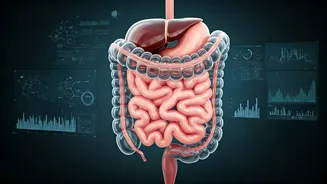
Part of this shift involves changing the language we use. The term “gut healing” suggests a state of brokenness that requires a dramatic, often short-term protocol. Dietitians are steering the conversation toward “gut health,” a more holistic and ongoing state of well-being. This reframing is crucial. It moves the goalpost from a frantic search for a 'cure' to the calm, consistent practice of supporting your body's natural systems. A healthy gut isn't about achieving perfection; it's about creating a resilient internal ecosystem that can handle the ups and downs of daily life. This means less anxiety about eating the “wrong” thing and more confidence in building positive, long-term patterns.
Practical Tip 1: Focus on Fiber
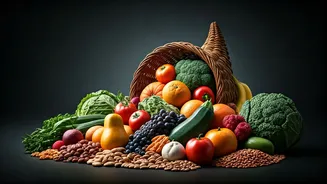
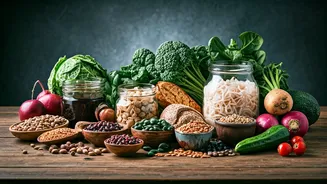
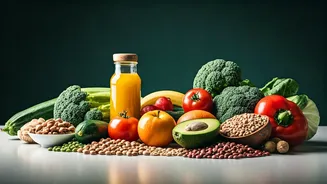
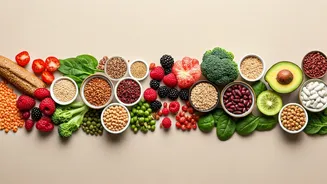
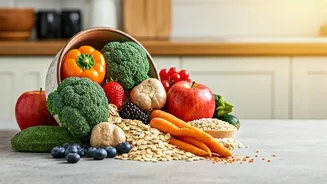
If there's one non-negotiable for gut health, it's fiber. The bacteria in your gut—your microbiome—feed on it. A well-fed microbiome is a happy and diverse one, which is linked to better digestion, immune function, and even mental health. Instead of obsessing over a single 'superfood,' dietitians recommend focusing on your total daily fiber intake. The advice is simple: eat more plants. You don't need exotic powders or bars. Start by adding a handful of berries to your oatmeal, swapping white bread for whole wheat, tossing a can of beans into a soup or salad, or snacking on an apple instead of chips. These small, consistent additions make a huge difference over time without requiring a complete diet overhaul.
Practical Tip 2: Eat a Variety of Plants
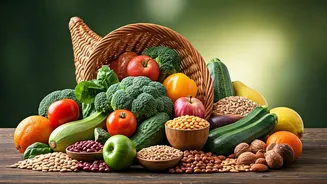
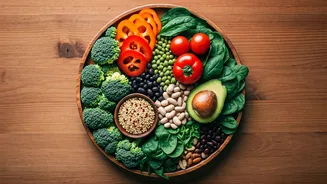
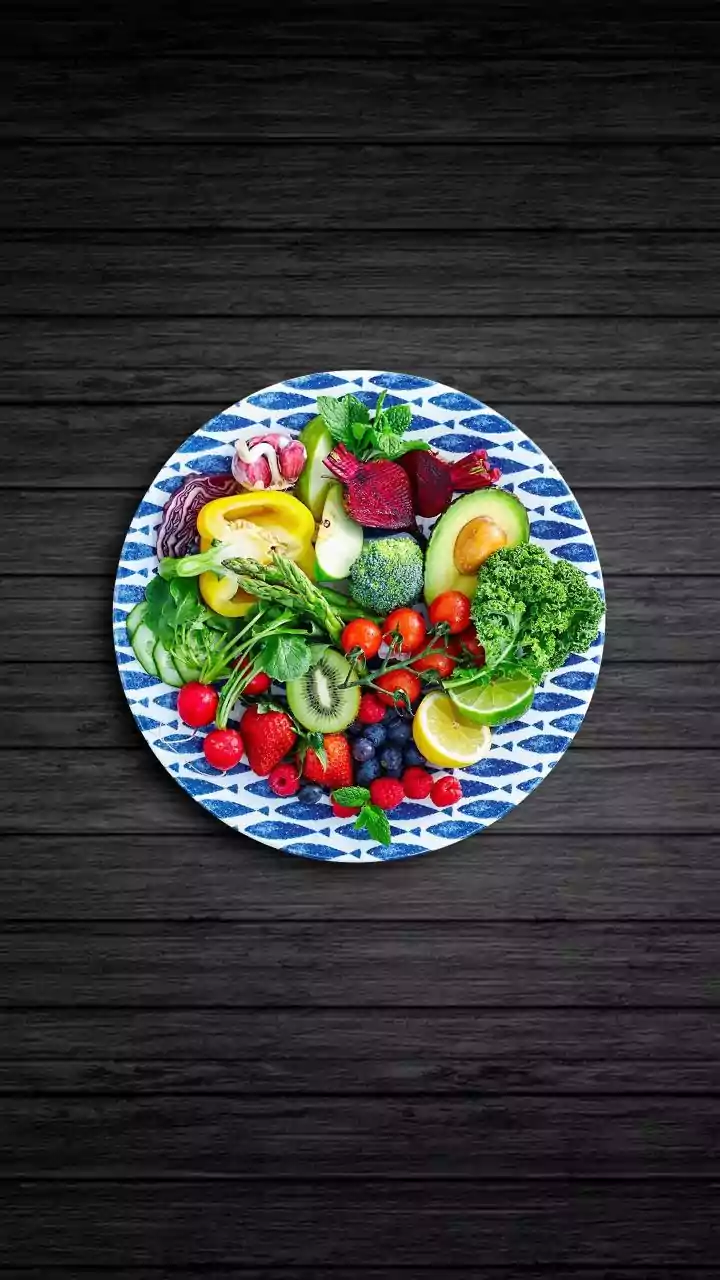
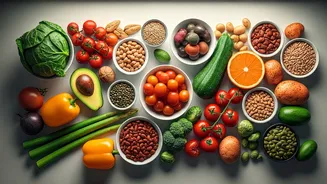
While total fiber is important, diversity is the next level up. Different types of plants provide different types of fibers and phytonutrients, which feed different families of gut bacteria. A more diverse microbiome is a more robust one. A popular and practical goal promoted by dietitians is to aim for 30 different plant foods per week. This sounds daunting, but it’s easier than you think. 'Plants' includes fruits, vegetables, whole grains, nuts, seeds, herbs, and spices. A single bowl of chili might contain tomatoes, onions, garlic, beans, chili powder, and cumin—that’s six right there. The point isn't to meticulously count, but to gently nudge yourself toward variety. Try a new vegetable, buy a different kind of nut, or use a new herb. It’s about exploration, not restriction.
Practical Tip 3: Don't Forget the Basics
A happy gut isn't just about what you eat; it's connected to your entire lifestyle. Dietitians are increasingly emphasizing these foundational pillars, which are often overlooked in the rush to buy a new supplement. First, hydration is key for keeping things moving and helping fiber do its job. Second, managing stress is critical. The gut and brain are directly connected via the gut-brain axis, and chronic stress can negatively impact digestion and microbial balance. Gentle movement, adequate sleep, and mindfulness practices can be just as important for your gut as the food you eat. This integrated approach acknowledges that you can't supplement your way out of a burnt-out lifestyle.
Practical Tip 4: Add Fermented Foods
Probiotics are live bacteria that can provide health benefits, and you don't necessarily need an expensive pill to get them. Fermented foods are a natural, food-first source. Dietitians are encouraging people to incorporate items like plain yogurt, kefir, kimchi, sauerkraut, and kombucha into their diets. These foods introduce beneficial microbes to your gut in a gentle way. You don't need to eat huge quantities; a small amount regularly is more effective than a large amount once in a while. For example, add a dollop of plain Greek yogurt to your bowl of chili or have a small side of kimchi with your eggs. It's an easy way to support your gut's microbial community without breaking the bank.