



The Silk Road Comes to Life
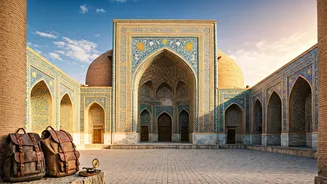
Imagine stepping into a history book. That’s what it feels like to stand in Samarkand’s Registan Square, surrounded by three towering madrasas covered in intricate, brilliant blue tilework. For centuries, this was a fabled stop for merchants and scholars,
and today, it’s jaw-droppingly real. Uzbekistan is home to not one, but three UNESCO World Heritage cities that form the backbone of the Silk Road: Samarkand, Bukhara, and Khiva. Unlike museum-piece ruins in other parts of the world, these cities are vibrant and alive. You can wander through ancient alleyways in Bukhara’s old town, see artisans at work, and then duck into a 500-year-old stone caravanserai for tea. It’s history you can touch, see, and feel, on a scale that’s hard to comprehend until you’re there.
Your Wallet Will Seriously Thank You
Let’s be honest: travel is expensive. A week in Western Europe can easily set you back thousands. Uzbekistan, however, offers a refreshing alternative. It’s one of the few places on Earth where you can have a world-class travel experience on a shoestring budget. A hearty and delicious meal of plov (the national dish) might cost $3. A bed in a clean, friendly, and often beautifully decorated hostel can be as little as $10 a night. A long-distance taxi ride or a train ticket is a fraction of what you’d pay for an Amtrak or Eurail pass. This affordability doesn't mean you're sacrificing quality. It means you can stay longer, eat better, and experience more without the constant financial anxiety that can accompany a big trip. Your travel fund simply goes further here.
Getting Around Is Shockingly Easy
The idea of traversing Central Asia might conjure images of rugged, difficult travel. The reality in Uzbekistan is the opposite. The country has invested heavily in a modern, high-speed rail network that connects its major tourist cities. The 'Afrosiyob' bullet train can whisk you from the capital, Tashkent, to Samarkand in about two hours, in clean, comfortable cabins. It’s faster, cheaper, and more scenic than flying. For Americans, the logistics are also simpler than ever. U.S. citizens can now enter Uzbekistan visa-free for up to 30 days, eliminating a once-cumbersome bureaucratic hurdle. This combination of visa-free access and efficient, affordable transport makes a multi-city tour of the country’s greatest hits not just possible, but downright pleasant.
It’s an Untouched Photographer’s Paradise
In an age of over-tourism, it's rare to find iconic sites you don't have to share with a thousand other selfie sticks. While Uzbekistan is gaining popularity, it’s still far from crowded. You can find quiet moments to photograph the majestic turquoise domes of the Shah-i-Zinda necropolis or get lost in the Ichon-Qala, the walled inner town of Khiva, which feels like a perfectly preserved open-air museum. The visual appeal goes beyond architecture. It's in the vibrant chaos of the Chorsu Bazaar in Tashkent, with its pyramids of spices and fresh bread, and the warm, character-filled faces of the local people, who are often happy to pose for a photo. It’s a place where your camera roll will fill up with images that feel unique and authentic, not like a duplicate of every other post on Instagram.
You Get Adventure Without the Hardship
Uzbekistan strikes a perfect balance. It feels adventurous and exotic, yet it's also remarkably safe and welcoming. The government has made a concerted effort to boost tourism, and there’s a palpable sense of pride and hospitality. Locals are often curious, friendly, and eager to help a lost traveler. While you'll certainly be stepping outside your comfort zone, you won’t feel on edge. English is becoming more common in tourist areas, and the growing network of guesthouses and hostels means you’re never far from a hot shower and a friendly face. This allows you to focus on the magic of the experience—bargaining for a rug in a bustling market or sipping green tea with a local family—without the stress that can come with travel in more challenging destinations.