




Driving Through Standing Water
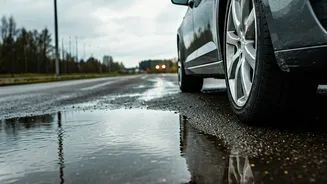
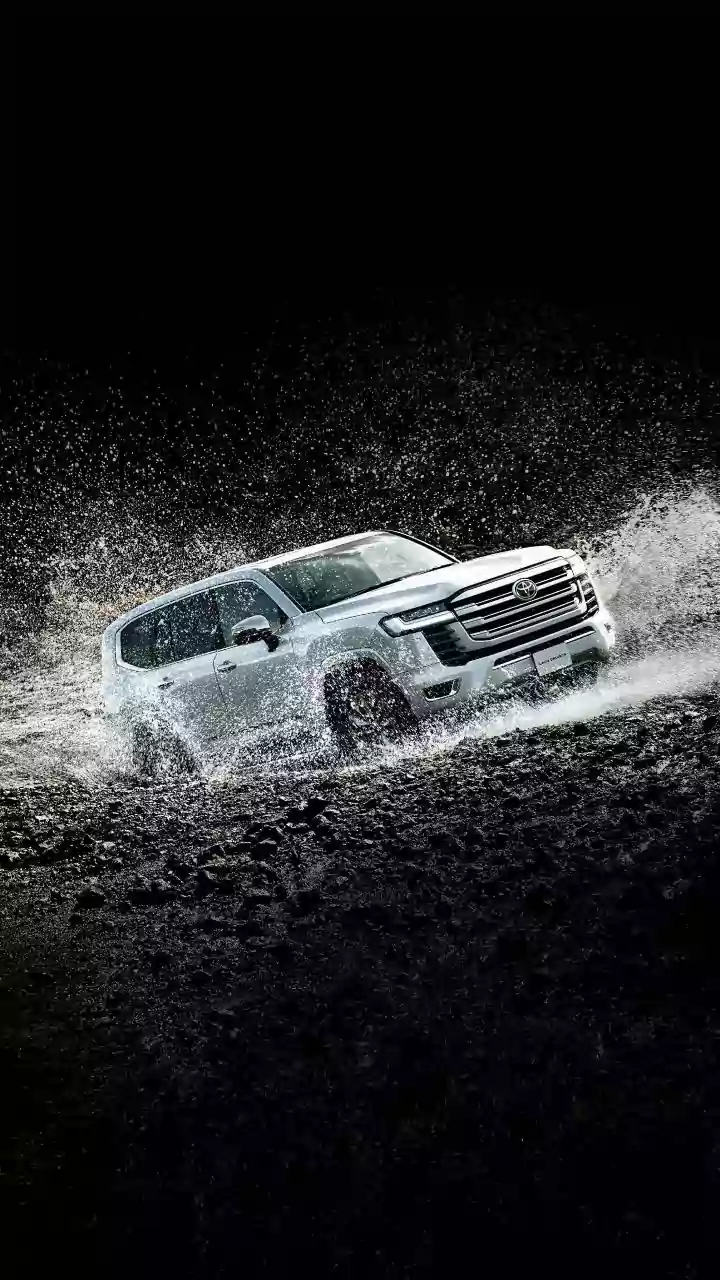
That large puddle might look like a fun splash, but it’s a gamble you shouldn't take. First, you have no idea how deep it is. A pothole hidden beneath the surface can easily damage a tire, bend a rim, or throw your alignment out of whack. More importantly,
driving quickly through deep water can force it up into your engine's air intake, leading to a catastrophic failure known as hydrolock. This happens when water, which can't be compressed like air, enters the engine cylinders and causes pistons to bend or break. The repair bill can run into the thousands. Even if you avoid that worst-case scenario, water can saturate sensitive electronics and brake components, leading to rust and reduced effectiveness.
Ignoring Your Wiper Blades
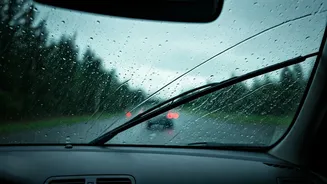
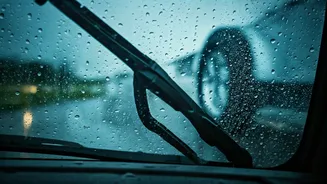
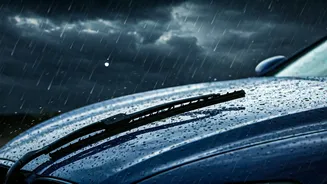
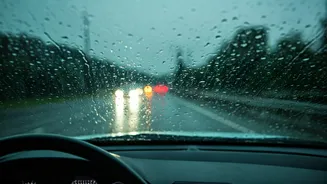
Windshield wipers are your first line of defense against the elements, yet they are one of the most neglected parts of a car. Old, cracked, or hardened rubber doesn't clear water effectively; it smears it. This creates dangerous glare, especially at night when facing oncoming headlights. Using worn-out wipers also means you're dragging hardened rubber and trapped grit across your windshield, which can leave permanent scratches in the glass. Check your blades every few months for signs of wear and tear. If they leave streaks or make chattering noises, it's time for a replacement. It’s an inexpensive fix that dramatically improves your safety and visibility.
Forgetting About Tire Health
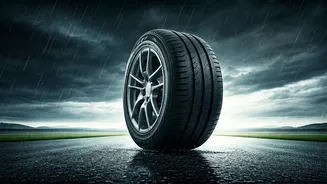
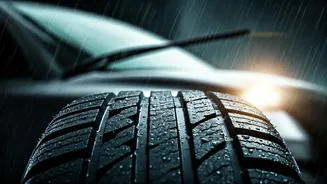
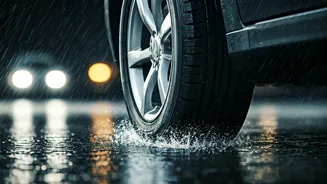
Your tires are the only part of your car that touches the road, and their role is even more critical in the rain. The grooves in your tires are designed to channel water away, allowing the rubber to maintain contact with the pavement. When the tread is worn down, your tires can't displace water fast enough, causing you to hydroplane—essentially gliding on a thin layer of water with no steering or braking control. Use the penny test: place a penny with Lincoln's head upside down in the tread. If you can see the top of his head, your tires are too worn and need replacing. Also, ensure your tires are properly inflated. Under-inflated tires can bow in the middle, reducing the tread’s ability to clear water effectively.
Following Other Cars Too Closely
Tailgating is always a bad idea, but it’s especially dangerous in the rain. Your car's stopping distance can double or even triple on wet pavement. Leaving several car lengths between you and the vehicle ahead gives you the reaction time and physical space needed to brake safely. Beyond the braking risk, following closely in the rain means driving directly into the heavy spray kicked up by the car in front of you. This wall of water can momentarily blind you, obscuring your view of the road and any potential hazards. Give yourself space to see and be seen.
Skipping a Post-Storm Wash
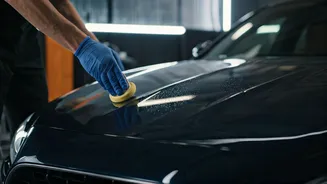
It seems counterintuitive to wash your car right after it’s been “washed” by rain, but it’s a crucial step in preserving its finish and structure. Rainwater isn't pure; it mixes with atmospheric pollutants to become slightly acidic. When this acidic rain dries on your car, it can etch the clear coat and damage the paint. Furthermore, rain kicks up road grime, salt, and dirt onto your car’s undercarriage. This muddy mixture traps moisture against the metal, creating a perfect environment for rust to form on your frame, exhaust system, and brake lines. A quick rinse, especially of the underbody, after a significant downpour will protect your investment.
Leaving the Interior Damp
The battle against moisture doesn't end when you park the car. Getting in and out of your vehicle during a storm inevitably brings water inside on your shoes, clothes, and umbrella. If left unchecked, this dampness can turn your car into a breeding ground for musty odors, mildew, and even mold in the carpets and upholstery. This isn't just unpleasant; it can be a health concern for allergy sufferers. Worse, moisture can seep into sensitive electronic modules often located under seats or in floor panels, causing corrosion and electrical gremlins that are frustrating and expensive to diagnose and fix. Make a habit of using rubber floor mats during the rainy season and taking them out to dry.