






So, What Is This Trend?
The trend isn't a new diet, a high-tech gadget, or an exotic retreat. It’s ‘sober curiosity,’ or the broader movement of mindful drinking. Forget the all-or-nothing approach of traditional sobriety. This is about being more intentional with alcohol consumption.
Instead of defaulting to a beer at happy hour or a glass of wine to unwind, the sober curious person pauses to ask: Do I actually want this? Will it serve me? How will I feel tomorrow? It’s a shift from mindless habit to mindful choice. For some, it means participating in ‘Dry January’ and discovering they feel better. for others, it’s swapping their second cocktail for a sophisticated non-alcoholic alternative. It's not about strict rules or labeling oneself; it’s about reclaiming control over a substance that has long been the default social lubricant in both professional and personal settings. This flexibility is key to its appeal among a generation that prizes authenticity and personalized wellness over rigid dogma.
It’s About More Than Avoiding Hangovers
While waking up without a pounding headache is a clear perk, the motivation for young professionals runs much deeper. For many, it's a strategic move to protect their mental health. The link between alcohol—a depressant—and feelings of anxiety and low mood is becoming more widely understood. A generation that grew up with open conversations about mental wellness is more inclined to connect the dots between their Sunday evening ‘scaries’ and the Saturday night bar tab.
This isn't just about avoiding a negative; it's about pursuing a positive. Young workers navigating high-pressure jobs and economic uncertainty are looking for sustainable ways to manage stress. They’re finding that less alcohol can lead to better sleep, more stable energy levels, and a greater sense of emotional regulation. In an era of rampant burnout, choosing to opt out of the drink-to-decompress cycle is seen as a powerful act of self-preservation.
The New Networking Scene
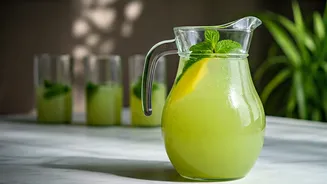
For decades, career advancement was intertwined with an alcohol-fueled social culture—schmoozing clients over martinis, team bonding at the local dive bar. Sober curiosity is actively reshaping this landscape. The demand for better non-alcoholic options has exploded, and businesses are responding. Top restaurants now boast mocktail menus as complex and thoughtful as their wine lists. Bars dedicated entirely to non-alcoholic concoctions are popping up in major cities like New York and Los Angeles. Even corporate events are changing, with companies offering interesting NA beverages alongside beer and wine to create a more inclusive environment.
This cultural shift makes it easier and more appealing to network without drinking. It reframes social gatherings around the actual connection rather than the shared activity of consuming alcohol. For many young professionals, it’s a relief. It levels the playing field, allowing them to show up as their sharpest, most authentic selves without pressure or the next-day fog.
A Different Kind of Performance Enhancer
If the ‘80s had power suits, today’s young professionals have bio-hacking. They track their sleep, optimize their nutrition, and meditate for focus. In this context, reducing alcohol intake is seen as the ultimate productivity hack. The logic is simple: alcohol disrupts REM sleep, impairs cognitive function, and saps energy. Cutting back is a direct investment in one’s performance.
For an ambitious 28-year-old trying to build a career, the trade-off becomes crystal clear. A few hours of boozy fun on a Thursday night isn't worth a sluggish and unproductive Friday. The clarity, energy, and mental sharpness gained from drinking less are viewed as a competitive advantage. It's not about being anti-fun; it's about being pro-performance. By choosing a clear head over a temporary buzz, a growing number of young professionals are redefining what it means to get ahead.