




The Experience Economy Reaches Its Peak
For decades, success was measured in tangible assets. But in an era where digital life can feel hollow and consumer goods are easily acquired, the wealthy and the aspirational have pivoted. The new currency isn't what you own, but what you’ve done. Mountains,
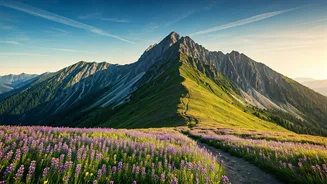
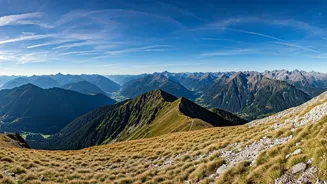
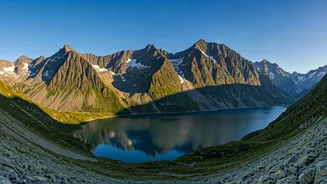
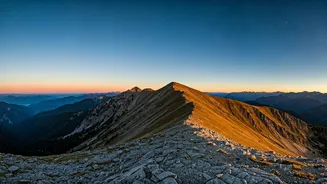
with their inherent challenge and grandeur, are the perfect backdrop for this shift. Climbing a fourteener, skiing backcountry powder, or completing a grueling multi-day trek is an experience that can’t be bought off a shelf. It requires time, physical fitness, and often, significant financial investment. Posting the evidence on social media creates a powerful narrative of a life well-lived—one filled with adventure, grit, and a connection to something 'real.' It’s a multi-layered flex, signaling not just wealth, but vitality, discipline, and a rejection of a sedentary, conventional life.
Gorpcore and the Uniform of The Elite
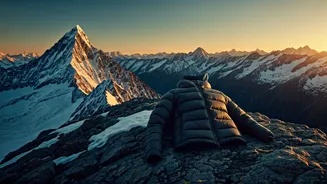
You don't even have to summit a peak to participate in the mountain flex. Just look at the uniform on city streets. Technical outdoor gear—pejoratively and affectionately known as “gorpcore”—has migrated from the trail to the trading floor. An Arc’teryx shell jacket, once the domain of serious alpinists, is now a common sight in coffee shops in Manhattan and San Francisco. Brands like Patagonia, The North Face, and Salomon have become status symbols themselves. Wearing a $800 jacket designed for blizzard conditions to walk your dog communicates something subtle but clear: you have the money to afford the best gear, and you subscribe to a value system that prioritizes authenticity and rugged capability, even if your most dangerous daily trek is on the subway. It’s cosplay for a life of adventure, a performance of readiness for a call to the wild that may never come.
The New Mountain Town Gold Rush
For the truly committed, the ultimate mountain flex isn’t just visiting; it’s owning. The pandemic-fueled rise of remote work supercharged a trend that was already simmering: the exodus of affluent Americans to mountain towns. Places like Bozeman, Montana; Jackson, Wyoming; and Telluride, Colorado, have transformed from quirky, rustic outposts into playgrounds for the global elite. Tech billionaires and finance moguls are snapping up real estate, driving prices to astronomical levels and fundamentally altering the character of these communities. Owning a glass-walled 'cabin' with a view of the Tetons is a statement that a penthouse apartment can no longer make. It signifies an escape from the urban rat race and an investment in a lifestyle centered on clean air, outdoor recreation, and a curated sense of community—one that is increasingly exclusive.
The Crowding of the Commons
But there's a consequence to all this flexing. When natural landscapes become backdrops for status signaling, they inevitably suffer. America’s national parks are experiencing record-breaking, often overwhelming, crowds. Once-secluded trails are now clogged with hikers, some of whom are unprepared for the risks, drawn by an Instagram post. The infrastructure of mountain towns is straining under the pressure of the influx of new residents and tourists, leading to housing crises for long-time locals, traffic jams in scenic valleys, and debates over resource management. The very wildness and solitude that make mountains so appealing are being threatened by their popularity. The flex, it turns out, has a collective cost, turning a public commons into a commodity.