




The Penthouse Jungle Gym
When *Architectural Digest India* unveiled Sonakshi Sinha’s new apartment, it wasn’t the sweeping city views or the eclectic art that captured everyone’s attention—it was the plants. For those in the U.S. unfamiliar with her, Sinha is a major Bollywood
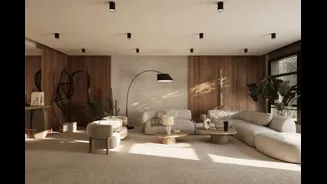
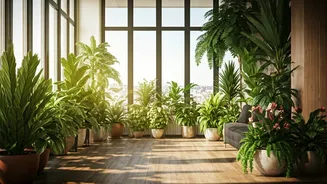
actress, a household name in India. Her home, a vibrant mix of minimalist structure and bold, maximalist details, functions as a masterclass in modern design. But everywhere you look, there are plants. A towering fiddle-leaf fig stands sentry by a window; monsteras with their iconic fenestrated leaves climb toward the light; and smaller pots of succulents and ferns dot shelves and tabletops. It feels less like a sterile show-home and more like a living, breathing sanctuary. The design isn’t just about placing a pot in a corner; it's about integrating nature into the very fabric of the home, creating a space that feels both glamorous and deeply restorative.
A Trend That Grew Organically
Sinha's plant-filled abode is a high-profile example of a trend that has quietly taken over American homes for the past several years. The houseplant obsession, once the domain of dedicated horticulturalists and 1970s decor enthusiasts, is now mainstream. The pandemic acted as a powerful fertilizer, accelerating our collective desire to bring the outside in. Confined to our homes, we sought ways to make our spaces more calming, beautiful, and alive. Nurturing a plant became a small, tangible act of control and care in a world that felt chaotic. Social media feeds filled with proud “plant parents” showing off their flourishing snake plants and string of pearls. Nurseries and online plant shops saw unprecedented demand, turning a niche hobby into a full-blown cultural phenomenon. What we see in Sinha’s penthouse isn’t an isolated celebrity whim; it's the aspirational endpoint of a movement that started on our own windowsills.
It’s Called Biophilic Design
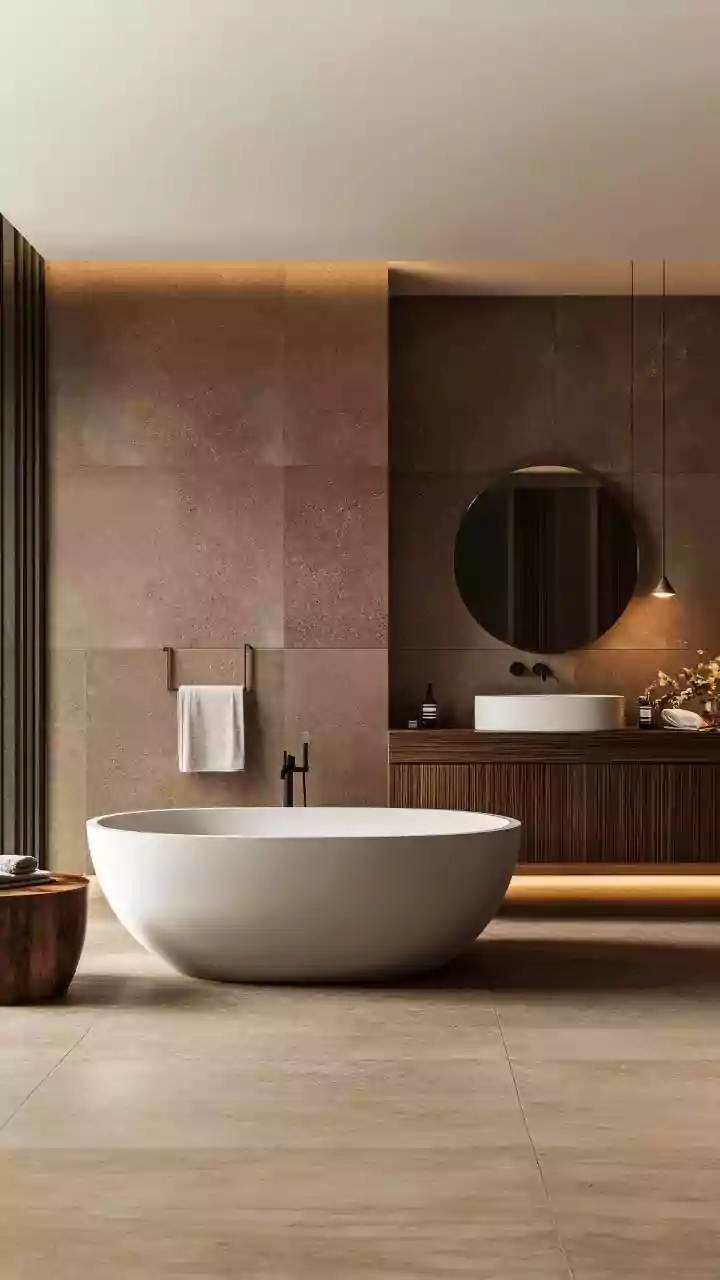
There’s a formal name for this intuitive need to connect with nature: biophilia. The concept, which suggests that humans have an innate tendency to seek connections with nature and other forms of life, has given rise to biophilic design. This architectural and interior design philosophy aims to build that connection into the spaces where we live and work. It's more than just adding plants. It’s about using natural materials like wood and stone, maximizing natural light, and incorporating patterns and shapes that mimic the natural world. The benefits are more than just aesthetic. Studies have shown that interacting with nature, even indoors, can reduce stress, improve cognitive function, and boost creativity and overall well-being. Looking at the serene, green-filled rooms of Sinha’s apartment, you can feel the principle in action. The space is designed not just to be looked at, but to be felt—a calm refuge from the bustling city outside.
From Mumbai Penthouse to Your Apartment
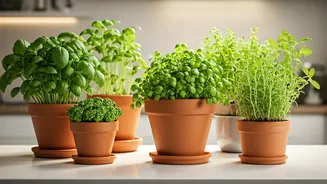
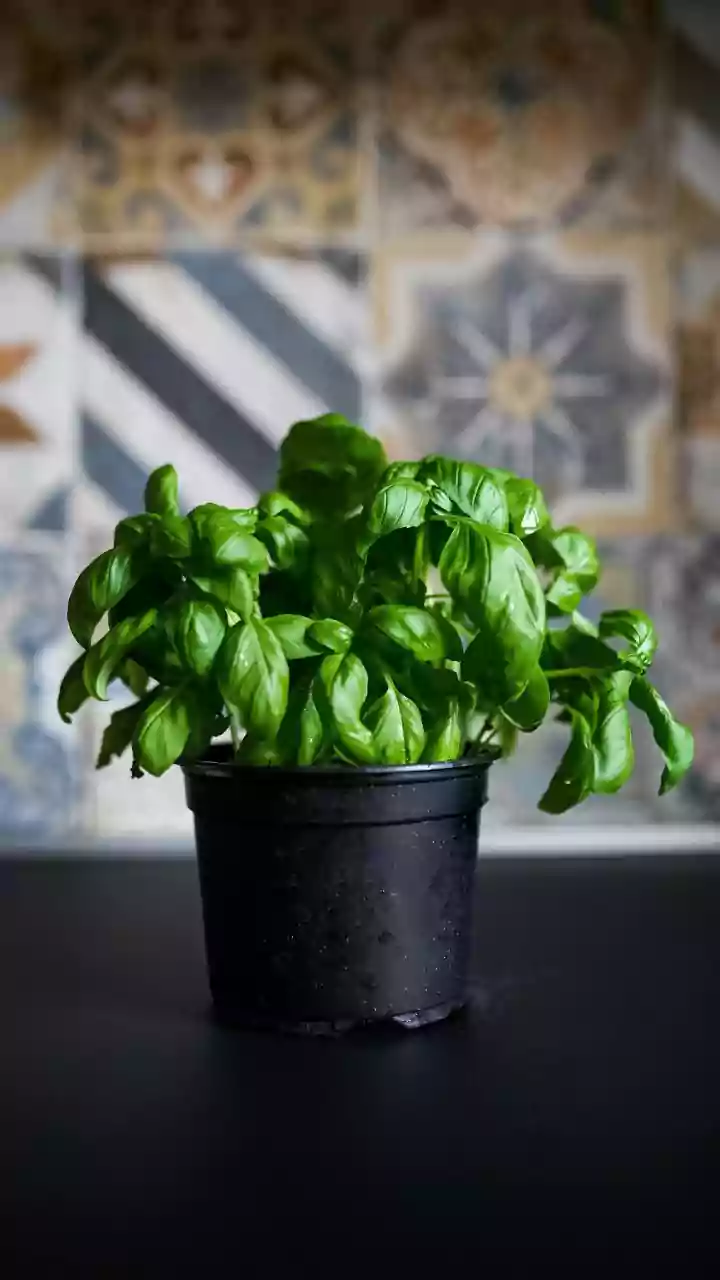
Of course, most of us don't have a penthouse designed by top architects. But the beauty of the houseplant trend is its scalability. You don't need a massive budget or a green thumb to participate. The goal isn’t to replicate a celebrity’s home but to capture its spirit. Start small. A single, dramatic plant like a Bird of Paradise can transform a forgotten corner of your living room. A collection of small, easy-care plants like pothos or ZZ plants can bring life to a bookshelf. An herb garden on your kitchen windowsill is both beautiful and functional. The point isn't perfection; it's connection. It’s about finding a plant that brings you joy and learning to care for it. It's a simple, accessible way to make your own space feel more like a sanctuary.