


The Power of Acidity
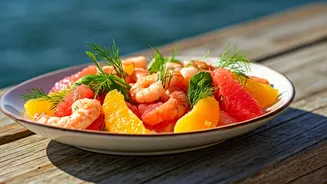
The secret weapon of coastal cooking isn’t just fresh seafood—it’s acid. A generous squeeze of lime, a splash of sharp vinegar, or the bright pop of a pickled onion can transform a simple dish from flat to vibrant. In the sweltering heat of summer, our
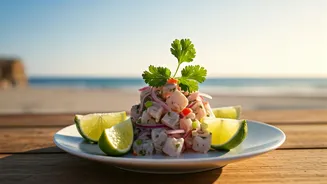
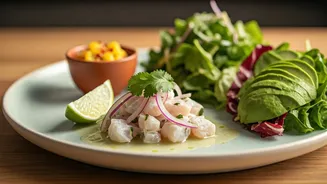
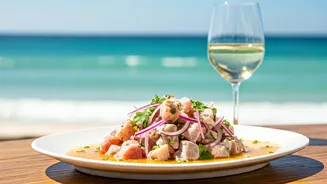
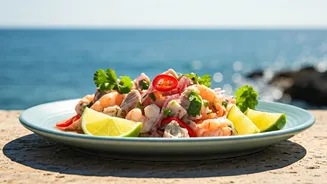
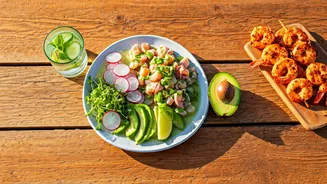
palates crave this kind of sharp, refreshing counterpoint. While heavy, smoky, and fatty flavors can feel overwhelming when the temperature climbs, acidity acts as a palate cleanser. It cuts through richness, enhances the natural sweetness of ingredients like tomatoes and fish, and makes everything taste cleaner and more alive. Think of Peruvian ceviche, where lime juice “cooks” the fish, or Greek salad, where a red wine vinaigrette brightens up feta and cucumbers. This isn’t about making food sour; it’s about using acid to achieve perfect balance and create a dish that wakes up your senses.
The No-Cook (or Low-Cook) Advantage
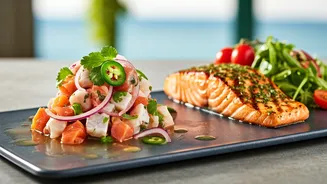
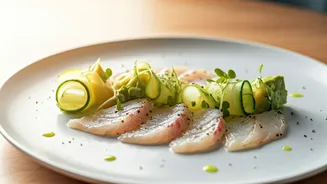
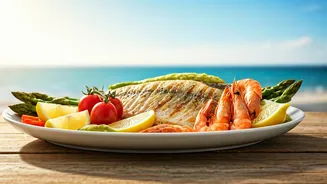
Perhaps the smartest part of this trend is its practicality. Who wants to stand over a hot stove or fire up a 400-degree oven when it’s already 90 degrees outside? Many of the best tangy, coastal-inspired dishes require minimal or no cooking at all. Crudos and carpaccios, for example, simply rely on thinly sliced, high-quality fish or beef dressed with citrus and good olive oil. Aguachile, a spicier cousin of ceviche from the Mexican coastline, comes together in minutes in a blender and a bowl. Even grilled dishes fit the bill, as a quick sear over high heat is all that’s needed for fish tacos or shrimp skewers, keeping kitchen time to a minimum. This low-effort, high-reward approach is a direct and welcome response to the desire for easy, breezy summer living. It means less time sweating in the kitchen and more time enjoying the meal.
A Vacation on a Plate
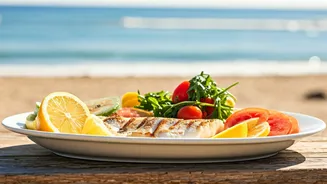
These flavors don't just taste good; they transport you. A bite of citrus-marinated fish can evoke a beachside shack in Baja. A tomato and caper salad might take you to the Amalfi Coast. The briny tang of olives and lemon feels distinctly Mediterranean. After years where travel was limited, we’re collectively craving experiences that feel worldly and adventurous, and food is one of the most accessible ways to find that. This style of cooking taps directly into our shared culinary daydreams of sun-drenched shores and seaside cafes. It’s not just about sustenance; it’s about capturing a feeling. Serving a platter of chilled oysters with a sharp mignonette sauce or a simple pasta with lemon, herbs, and shrimp is like stamping a passport without leaving your backyard.
Beyond Just Seafood
While fish and shellfish are the stars of many coastal cuisines, this tangy renaissance extends across the entire menu. The same principles apply to vegetables, salads, and even drinks. Think of a simple cucumber salad dressed with rice vinegar and chili flakes, or grilled corn slathered with lime-spiked butter and cotija cheese. Pickled vegetables—onions, jalapeños, carrots—are making a huge comeback as the perfect acidic crunch to add to sandwiches, tacos, and grain bowls. Even cocktails and non-alcoholic drinks are getting in on the action, with shrubs (drinking vinegars), citrus-forward spritzes, and salty micheladas offering a more complex, less sugary way to cool down. It’s a philosophy that proves a touch of tang can elevate almost anything, turning simple, seasonal ingredients into something truly memorable.