





Let's Talk About The Price Tag
First, let's translate. Fifteen thousand Indian Rupees (INR) is roughly $180 USD. While that’s a great deal for almost anything travel-related, it won’t cover your flights, hotels, and meals across dozens of nations. The headline isn't advertising an impossible
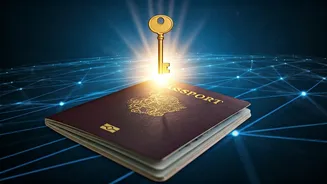
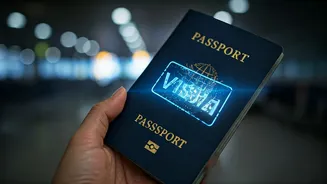
vacation package. It’s a clever, if slightly misleading, reference to the cost of obtaining a specific passport. For around 15,000 rupees, a citizen of India can apply for and receive a new passport, sometimes even through an expedited 'Tatkaal' service. And as of 2024, that very passport grants its holder visa-free or visa-on-arrival access to approximately 62 countries. So, the headline is technically true in a roundabout way: the key to unlocking those countries—the passport itself—costs about $180. It’s a powerful statement about the value and access that a simple travel document can provide.
Welcome to the World of 'Passport Power'
This brings us to a concept many Americans rarely have to consider: 'passport power.' Not all passports are created equal. Their strength is measured by the number of destinations the holder can enter without needing to apply for a visa in advance. Organizations like Henley & Partners meticulously track this, publishing an annual Passport Index that ranks countries based on the travel freedom they afford their citizens.
For citizens of countries with 'weaker' passports, international travel isn't a simple matter of booking a flight. It often involves a costly, time-consuming, and uncertain visa application process. Applicants may need to provide bank statements, letters of invitation, and proof of their intention to return home, with no guarantee of approval. The headline, aimed at an Indian audience, highlights a point of pride and practicality: their passport is gaining strength, opening up more of the world without bureaucratic hurdles.
How Does the U.S. Passport Stack Up?
To put India's 62-country access in perspective, consider the U.S. passport. American citizens enjoy one of the most powerful passports in the world, consistently ranking in the top 10 globally. It grants visa-free or visa-on-arrival access to nearly 190 destinations. This immense freedom is a form of 'passport privilege' that is often invisible to those who hold it. An American can spontaneously decide to visit Paris, Tokyo, or Buenos Aires with little more than a valid passport and a plane ticket.
That level of mobility is a luxury. The difference between 62 and 190 visa-free destinations is vast. It represents fundamentally different experiences of the world. While an Indian citizen might have easy access to beautiful destinations in Asia and parts of Africa, access to Europe and North America typically requires a rigorous visa process. For an American, most of the globe is an open door.
Why This Number Actually Matters
The power of a passport extends far beyond tourism. It has profound implications for business, education, and personal opportunity. A businessperson with a powerful passport can fly to a last-minute meeting in another country to close a deal. A student can more easily explore universities abroad. Families spread across continents can reunite with less friction.
Conversely, a weaker passport can limit potential. It can mean missing out on an international conference, struggling to visit family, or facing barriers to global job markets. The slow, steady climb of a passport's ranking—like India's—is a significant national achievement that directly impacts the lives and aspirations of its citizens. It signals growing diplomatic ties and a stronger standing on the global stage. So, while the headline sounds like clickbait, it’s really a snapshot of geopolitical soft power in action.