



From Imported to Inspired
For years, the aspirational Indian home often looked outward, embracing sleek, Scandinavian-inspired minimalism or ornate, European-style maximalism. Mass-produced furniture from global chains and a desire for a clean, modern aesthetic left little room
for the country's own rich tapestry of craft. But a significant shift is underway. A growing number of urban homeowners and young designers are looking inward, rediscovering the immense value and beauty of indigenous craftsmanship. This movement rejects the cold perfection of the factory line in favor of something with a story. It’s a conscious choice to fill a home not just with things, but with heritage.
The Soul of the Space
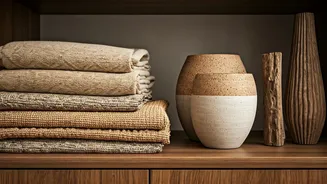
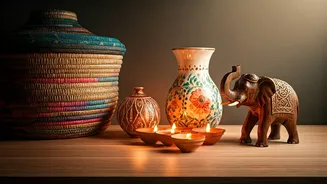
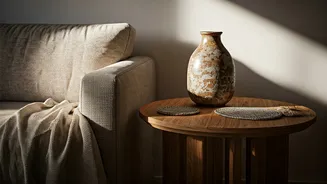
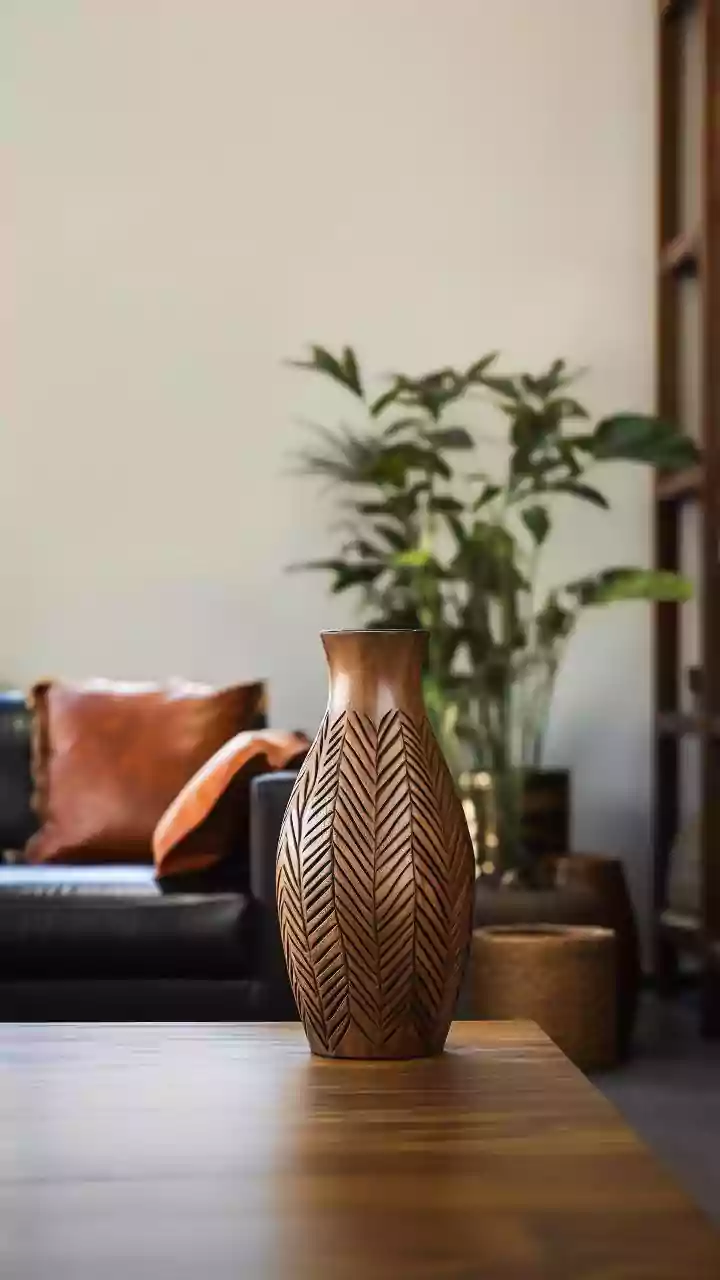
What does this “warmth” actually look like? It’s in the subtle imperfections of a hand-thrown terracotta vase, the organic texture of a handwoven Khadi cushion, or the intricate, human-drawn lines of a Kalamkari wall hanging. These are objects that carry the maker's touch. Unlike their mass-produced counterparts, they aren't sterile. They have a soul. Crafts like Ajrakh block-printing from Gujarat, with its deep indigo and madder red dyes, bring an earthy depth to bed linens and tablecloths. Kantha embroidery from Bengal, traditionally used to quilt old saris into soft blankets, now appears on throws and pillows, each stitch a testament to patience and skill. This tactile, layered approach creates an environment that feels lived-in, personal, and deeply comforting—a sanctuary from the fast-paced digital world.
Weaving Tradition into Modern Life
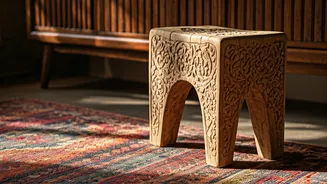
This revival isn't about turning homes into museums of folk art. The genius of this new wave lies in its modern application. Contemporary Indian designers are skillfully integrating traditional crafts into minimalist and modern settings, proving that old-world techniques can feel fresh and relevant. You might find a sleek, contemporary apartment where the main color pop comes from a vibrant, hand-knotted carpet from Rajasthan. Or a minimalist living room where the focal point is a single, exquisitely carved wooden panel that was once part of a traditional doorway. Artisans are also adapting. Potters are creating clean-lined ceramic dinnerware, weavers are experimenting with contemporary geometric patterns, and metalworkers are crafting minimalist brass light fixtures. This fusion allows people to connect with their culture without sacrificing a modern sensibility. It’s about honoring the past while living firmly in the present.
A More Conscious Consumerism
Beyond aesthetics, this trend is powered by a growing desire for sustainability and ethical consumption. In a world grappling with the environmental cost of “fast furniture” and mass production, choosing a handcrafted item is a statement. It supports local economies, empowers artisan communities—often in rural areas—and helps keep centuries-old skills alive. Many new Indian decor brands build their entire business model around this principle, providing artisans with fair wages and a platform to reach a global market. For the consumer, there’s a profound satisfaction in knowing the story behind an object—who made it, where it came from, and what tradition it represents. This connection transforms a simple purchase into a meaningful investment in culture and community.