




Why That Leafy Friend Might Be a Foe
Many common houseplants contain substances that are toxic to cats and dogs if ingested. The primary culprits are often insoluble calcium oxalate crystals. When a pet chews on a plant containing these microscopic, needle-like crystals, it causes immediate
and painful irritation to the mouth, tongue, and throat. This can lead to intense burning, drooling, pawing at the face, and swelling that can, in rare, severe cases, obstruct breathing. Other plants contain different toxins, such as cardiac glycosides that affect the heart, or compounds that cause kidney failure or severe gastrointestinal distress. The level of toxicity varies dramatically from plant to plant—some cause only mild discomfort, while others can be lethal even in small amounts.
Popular Plants to Keep Away From Pets
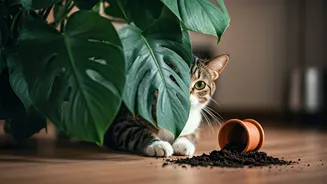
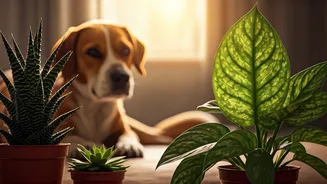
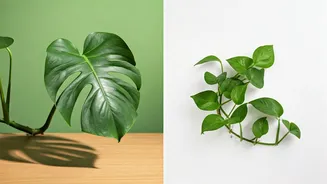
A surprising number of trendy houseplants are on the no-go list for pet owners. It's crucial to be able to identify them. * **Lilies (Lilium and Hemerocallis species):** For cats, these are exceptionally dangerous. Ingesting any part of the plant, including the pollen or even water from the vase, can cause acute kidney failure and death. This applies to true lilies (like Stargazers, Tiger Lilies) and Daylilies. * **Snake Plant (Sansevieria trifasciata):** Also known as mother-in-law's tongue, this hardy, popular plant contains saponins. While generally causing only mild nausea, vomiting, and diarrhea, it's best kept away from curious chewers. * **Pothos & Philodendron:** These ubiquitous trailing plants also contain insoluble calcium oxalate crystals. Chewing on them will cause significant oral pain, drooling, and vomiting. While not typically fatal, they are a major source of discomfort. * **Sago Palm (Cycas revoluta):** This plant is extremely poisonous to both dogs and cats. All parts are toxic, but the seeds are the most potent. Ingestion can lead to vomiting, bloody stools, liver failure, and often, death.
Beautiful, Pet-Safe Alternatives
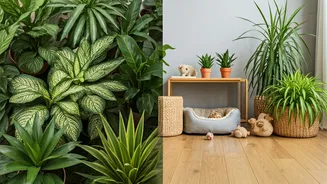
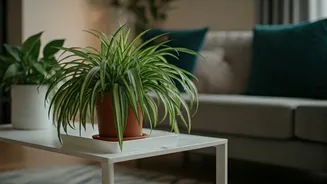
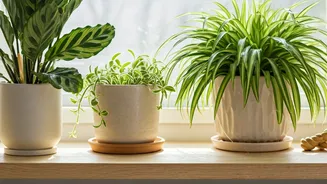
The good news is you don't have to choose between your pet and your passion for plants. There are plenty of stunning, non-toxic options to fill your home with life. * **Spider Plant (Chlorophytum comosum):** This classic, air-purifying plant is completely safe for cats and dogs. Its dangly “pups” might even provide some playful (and harmless) batting practice for your cat. * **Calathea Species (Prayer Plant, Rattlesnake Plant):** Known for their beautifully patterned and often colorful leaves, Calatheas are non-toxic and add a dramatic flair to any room. * **Boston Fern (Nephrolepis exaltata):** This lush, shaggy fern is a perfect, pet-safe choice for adding a touch of green to a hanging basket or a humid bathroom. * **Haworthia Species:** If you love the look of succulents but know many are toxic (like Aloe Vera and Jade), Haworthias (like the Zebra Plant) are a fantastic, non-toxic alternative with a similar spiky, architectural vibe.
Know the Warning Signs
Even with the safest plants, it's wise to know the signs of potential plant poisoning. If your pet suddenly exhibits any of the following symptoms, especially if you suspect they’ve been chewing on a plant, it’s time to act fast: excessive drooling, vomiting, diarrhea, loss of appetite, lethargy or weakness, pale gums, or difficulty breathing. Pawing at the mouth or visible swelling of the tongue and lips are also key indicators of oral irritation from plants like Pothos or Philodendron. Don't wait for symptoms to worsen; immediate veterinary attention can be critical.
Create a Pet-Proof Plant Paradise
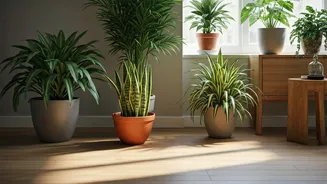
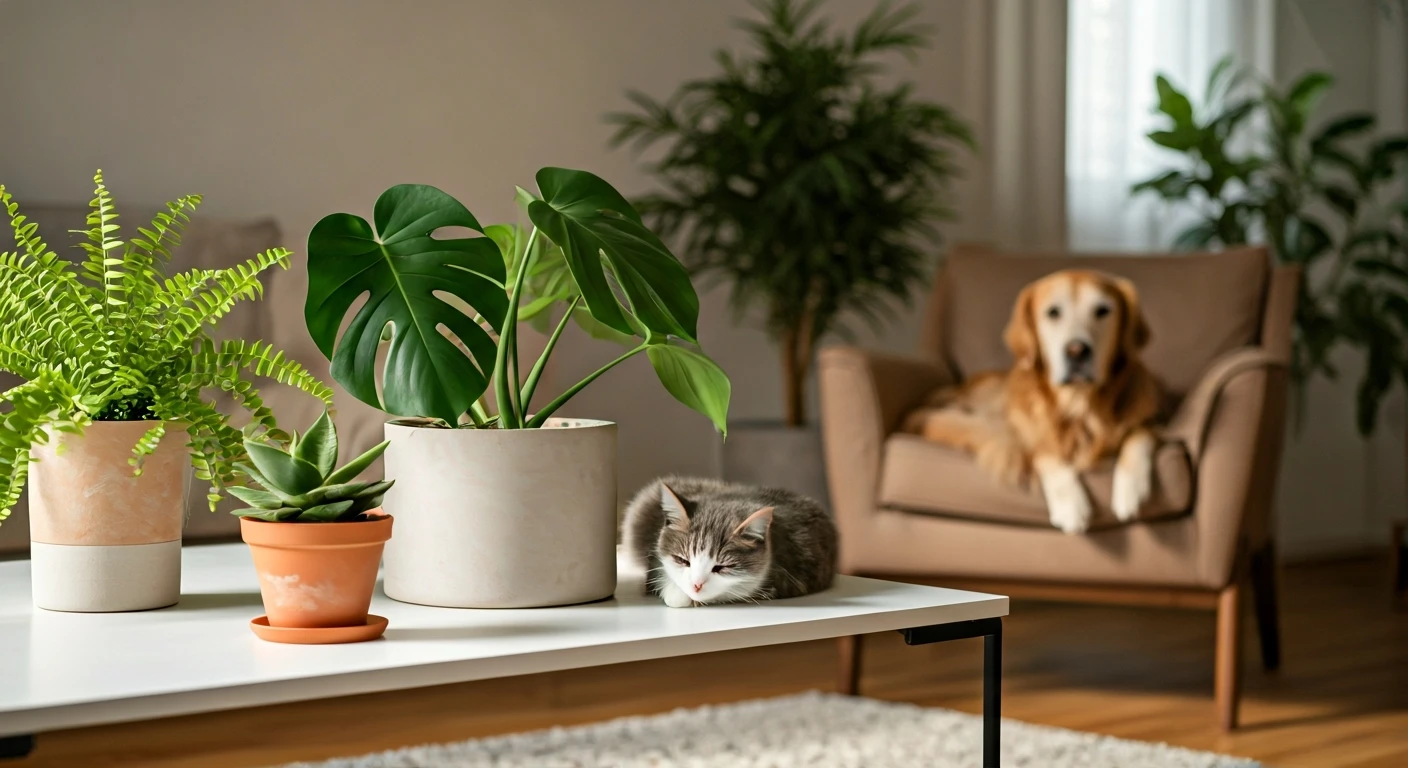
Beyond choosing the right plants, you can design your space to minimize risk. Place all questionable plants on high shelves or in hanging planters well out of your pet’s reach—remember that cats are skilled climbers. Consider dedicating a specific room for more delicate or potentially toxic plants and keeping the door closed. You can also make plants less appealing by sprinkling cayenne pepper on the soil or using a pet-safe bitter spray on the leaves. Ultimately, the best strategy is a combination of careful plant selection and strategic placement, ensuring your home is a safe and beautiful space for everyone who lives there.