




The Great Snack Shift
For decades, the word “snack” in India often conjured images of crispy, golden-brown samosas, oily potato chips, or syrupy sweets—delicious, but hardly the stuff of a wellness blog. These treats were an indulgence, a celebratory food, not an everyday
habit. But that’s changing, and fast. The modern Indian consumer, particularly in urban centers, is a different breed. They are more health-conscious than ever before, armed with global nutritional knowledge from the internet but still craving the flavors of home. This has created a massive demand for snacks that tick three crucial boxes: they must be good for you, ingeniously made, and unapologetically Indian, or “desi.” This isn't about replacing tradition but reinterpreting it for a new era, turning the occasional treat into a guilt-free, functional part of the daily diet.
Rediscovering 'Desi' Superfoods
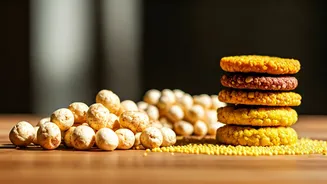
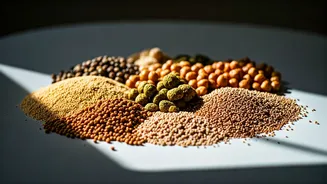
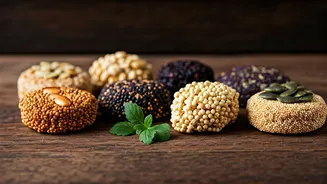
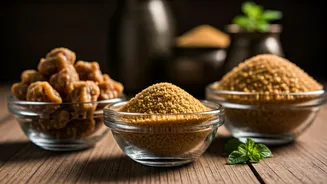
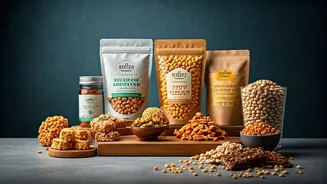
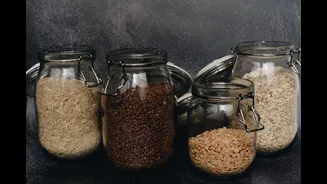
At the heart of this trend is a rediscovery of ancient grains and ingredients that were once staples of regional Indian diets. For years, these were pushed aside in favor of refined wheat and rice. Now, they're back and being celebrated as homegrown superfoods. Millets like ragi (finger millet), jowar (sorghum), and bajra (pearl millet) are leading the charge. These hardy, nutrient-dense grains are gluten-free, rich in fiber, and packed with minerals. They’re being transformed into everything from baked chips and puffs to breakfast cereals and cookies. Another star is makhana, or fox nuts. Traditionally eaten during fasts, these puffed lotus seeds are now being roasted and seasoned with flavors like peri-peri and sea salt, positioned as a healthy alternative to popcorn. It’s a brilliant fusion of old wisdom and modern marketing, taking what was once humble and making it aspirational.
Startup Culture Meets the Kitchen
This snack revolution isn’t happening by accident. It's being fueled by a vibrant startup culture. A new wave of entrepreneurs, many of whom left corporate jobs to pursue their passion for food, are the driving force. They are combining traditional recipes from their grandmothers' kitchens with modern food science and slick, Instagram-friendly packaging. These brands speak the language of the modern consumer, emphasizing “clean labels,” “no artificial preservatives,” and transparent sourcing. They are innovating not just with ingredients but with techniques. Instead of deep-frying, they’re baking, roasting, and using vacuum-frying technology that uses a fraction of the oil to produce impossibly crispy vegetable chips. This “smarter” approach delivers the satisfying crunch consumers crave without the associated health baggage.
From Niche to Nationwide
What started as a niche trend in upscale grocery stores is rapidly going mainstream. Major food corporations, seeing the success of these agile startups, are now launching their own healthy snack lines, incorporating millets and other traditional ingredients into their product portfolios. You can now find baked lentil chips and ragi-based biscuits in neighborhood convenience stores across the country. This shift reflects a deeper cultural moment in India—a growing pride in local culinary heritage combined with a global outlook on health and wellness. The new Indian snack isn’t just about avoiding fat and sugar; it’s about embracing a food philosophy that is both rooted and forward-thinking. It’s a delicious testament to the idea that you don't have to choose between what’s good for you and what feels like home.