



The Rise of Beach Burnout
For decades, the beach has been the default setting for American relaxation. Yet for many, the reality no longer matches the dream. 'Beach fatigue' is a colloquialism for a very real phenomenon: the exhaustion that comes with the logistics of a modern
coastal getaway. It’s the fight for a six-square-foot patch of sand, the traffic-choked drive to the coast, the overpriced parking, and the constant din of competing bluetooth speakers. Add in the logistical challenge of packing coolers, umbrellas, and chairs, and the 'relaxing' day at the beach can start to feel more like a stressful expedition. The experience has become less about serene escape and more about navigating crowds and managing expectations, leaving many vacationers wondering if there’s a better way to unplug.
The Allure of the Ascent
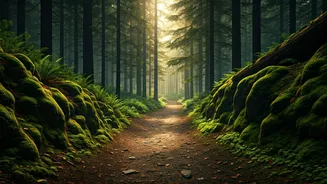
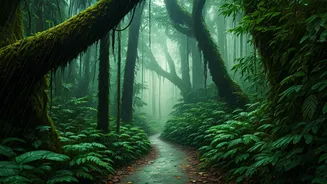
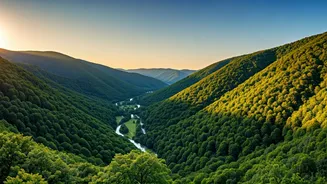
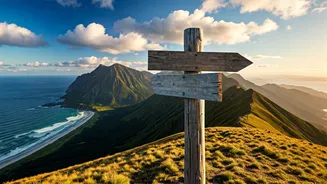
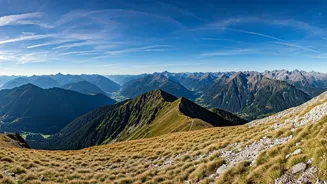
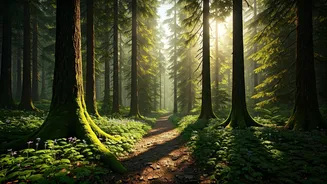
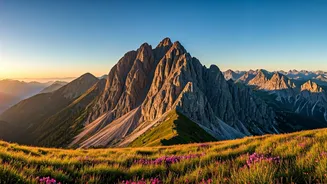
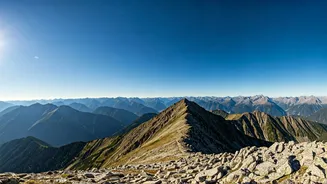
The alternative that’s gaining so much ground is the 'green trail.' Instead of passively sunbathing, travelers are actively seeking the mental and physical rewards of hiking, backpacking, and simply being in nature. The appeal is multi-layered. There's the profound sense of accomplishment that comes from reaching a summit or a secluded waterfall. There’s the well-documented mental health benefit of 'forest bathing'—the simple act of being calm and quiet amongst the trees, which studies suggest can reduce stress and improve mood. This type of vacation offers a different kind of reset. It replaces the noise of the crowd with the sounds of nature, and the goal is not just to relax, but to actively restore one’s sense of well-being through movement and exploration.
A Shift Driven by Data and Dollars
This isn’t just a feeling; it’s a trend reflected in behavior. National and state park attendance figures have seen significant growth, particularly in the post-pandemic years, as people sought open spaces and socially distanced activities. Travel companies are responding, with tour operators offering more hiking-centric packages and rental platforms like Airbnb and Vrbo seeing a surge in searches for cabins near trailheads. Economics also play a key role. While a beachfront hotel can cost a premium, a hiking trip can be remarkably budget-friendly. A park pass, a good pair of boots, and a packed lunch are often all that’s needed. Furthermore, the currency of social media has shifted. The once-ubiquitous 'hot dogs or legs' beach photo is being replaced by the epic, hard-earned summit selfie, signaling a cultural move toward valuing experiences and personal challenges over passive leisure.
More Than Just a Mountain Hike
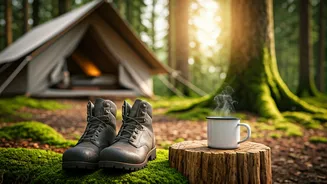
The 'green trail' movement is more inclusive than it might sound. It’s not just for expert mountaineers scaling 14,000-foot peaks. It encompasses a wide spectrum of nature-based activities that are accessible to nearly everyone. This includes gentle, paved nature walks in local parks, scenic drives through national forests, bird-watching excursions in wetlands, and lakeside trails perfect for a family stroll. The rise of 'glamping'—glamorous camping—also speaks to this trend, offering the immersion of the outdoors with the comforts of a hotel. It allows people to connect with nature without sacrificing a hot shower and a comfortable bed. This broad appeal is key to its growing dominance, offering a version of a nature escape for every fitness level and comfort preference.