





Your Gut Is Your 'Second Brain'
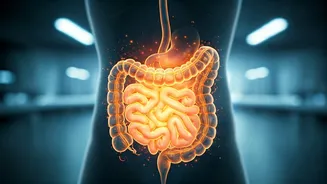
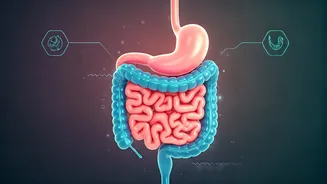
It sounds like a wellness buzzword, but the idea of a 'second brain' in your gut is grounded in biology. Your digestive tract is lined with an intricate network of over 100 million nerve cells called the enteric nervous system (ENS). This system is so complex
that it can operate independently of the brain in your head, managing the complex process of digestion without you having to think about it. But the ENS doesn't just work in isolation. It’s in constant communication with your central nervous system, creating a powerful feedback loop that influences everything from your mood to, as researchers are now confirming, your cognitive function.
The Gut-Brain Superhighway
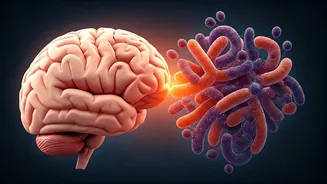
The primary communication channel between your gut and your brain is the vagus nerve, one of the longest and most important nerves in the body. Think of it as a two-way biological superhighway. Signals travel from the gut up to the brain, and from the brain down to the gut. This isn't just a one-way street where the brain tells the gut what to do. In fact, studies show that the vast majority of signals travel *from* the gut *to* the brain. This means the state of your digestive system—whether it's calm or inflamed, balanced or in disarray—is constantly sending status updates that your brain has no choice but to listen to. When the gut is irritated, it sends stress signals up the vagus nerve, which the brain can interpret as anxiety, low mood, or mental fatigue.
Meet Your Brain's Chemical Suppliers
Your gut is home to trillions of microorganisms, collectively known as the gut microbiome. This isn't just a passive colony of bacteria; it’s an active, functioning organ that produces a host of vital compounds, including neurotransmitters. These are the same chemical messengers your brain uses to regulate mood and cognition. For example, an estimated 90% of the body's serotonin—the 'feel-good' neurotransmitter associated with happiness and well-being—is produced in the gut. Gut bacteria also produce GABA, which helps control feelings of fear and anxiety, and dopamine, which is crucial for focus and motivation. When your gut microbiome is out of balance (a state called dysbiosis), its ability to produce these essential brain chemicals is compromised, directly impacting your mental state and clarity.
From Gut Inflammation to Brain Fog
The link between gut health and mental clarity becomes clearest when we look at inflammation. An unhealthy gut lining can become more permeable, a condition often called 'leaky gut.' This allows undigested food particles and inflammatory molecules to 'leak' into the bloodstream, triggering a body-wide immune response. This systemic inflammation doesn't spare the brain. When inflammatory signals cross the blood-brain barrier, they can disrupt normal neural function. The result? That familiar feeling of brain fog, characterized by poor concentration, memory lapses, and mental exhaustion. Essentially, the fire in your gut can lead to a fog in your brain, making it difficult to think sharply and efficiently.
How to Support Clarity from the Inside Out
Improving mental clarity through gut health doesn’t require a magic pill, but rather a focus on nurturing your microbiome. The foundation is a diet rich in diverse, fiber-filled plants. Fiber feeds beneficial gut bacteria, which in turn produce anti-inflammatory compounds. Fermented foods like yogurt, kefir, and kimchi can introduce beneficial probiotics. Beyond diet, managing stress is crucial, as the stress hormone cortisol can negatively impact the gut lining and microbiome. Regular exercise has also been shown to promote a healthier gut composition. By focusing on these foundational pillars of health, you're not just doing your digestive system a favor—you're providing your brain with the support it needs to stay sharp, focused, and clear.