






The Engine: A Rising Middle Class
The single biggest driver behind this shift is economic. India is not just the world’s most populous country; it's also one of its fastest-growing major economies. This growth is creating a vast and aspirational middle class with disposable income for
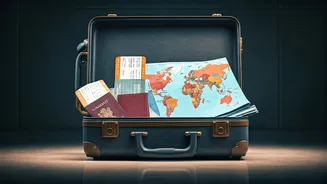
the first time in generations. Where a family’s savings might have once been earmarked for a wedding or property, it’s now increasingly allocated to experiences—and the ultimate experience is international travel. Analysts project that India will become the world's fourth-largest global spender on travel by 2030. This isn't just about the ultra-wealthy; it's about millions of families in tech hubs like Bengaluru and financial centers like Mumbai seeing the world as within their reach. This new financial freedom is the fuel, turning a distant dream into a bookable flight.
The Key: Easier Visa Access
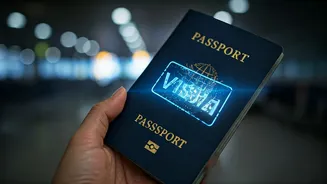
For years, one of the most significant barriers for Indian travelers was the “passport penalty.” Obtaining visas for Western countries was often a bureaucratic, time-consuming, and uncertain process. That’s starting to change. Recognizing the immense economic potential of Indian tourists, countries are streamlining their visa policies. Many popular destinations in Southeast Asia, such as Thailand and Malaysia, have introduced visa-free travel for Indian citizens. The Schengen Area, covering much of Europe, is working on digitizing its visa process and has noted the surge in applications from India. While getting a U.S. or UK visa can still be a hurdle, the world is progressively opening up. Each new visa-waiver agreement or simplified online application acts like a key, unlocking a new set of destinations and making spontaneous travel planning a tangible possibility.
The Vehicle: An Aviation Boom
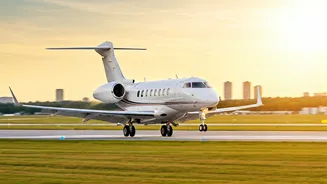
You can have the money and the visa, but you still need a way to get there. India is currently undergoing an unprecedented aviation boom that is making travel more connected and affordable. Indian carriers like IndiGo and a revitalized Air India have placed record-breaking orders for hundreds of new aircraft from Airbus and Boeing. This massive fleet expansion is about more than just domestic travel; it’s a strategic push to build a global network of direct international flights from multiple Indian cities. Simultaneously, international airlines are adding new routes and increasing frequencies to India, competing for a slice of this burgeoning market. This fierce competition has a direct benefit for the consumer: more choice and downward pressure on airfares, making that flight to Paris or Phuket more affordable than ever.
The Mindset: A New Cultural Priority
Beneath the economic and logistical shifts lies a profound cultural change. For younger Indians, especially millennials and Gen Z, travel is no longer a once-in-a-lifetime luxury but a core part of their identity. Fueled by social media and exposure to global pop culture, they have a strong desire for experiences over material possessions. The Instagram post from the Swiss Alps or the story from a Bali beach has become a new form of social currency. This generation is more adventurous, often traveling solo or with friends, and is exploring a wider range of destinations beyond the traditional family trips to London or Dubai. They are looking for authentic experiences, from backpacking across Vietnam to exploring the culinary scene in Italy. This shift in values ensures that the demand for travel is not just a trend but a deep-seated cultural movement that will endure.