





The Mechanical Deep-Dive
A pre-trip check used to mean glancing at your tires and filling the gas tank. Today’s road-risk assessment demands more. Before any significant drive, go beyond the basics. Yes, check your tire pressure, including the spare. But also inspect the tread
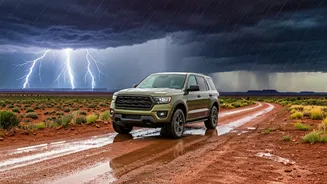
for wear. Top off all essential fluids: oil, coolant, and windshield washer fluid. Test your lights—headlights, taillights, and turn signals—to ensure you can see and be seen. Don't forget the wipers; a sudden downpour with worn-out blades can be incredibly dangerous. If your brakes have been feeling soft or making noise, get them checked by a professional before you leave. A few dollars spent on a mechanic’s inspection can prevent a trip-ruining breakdown.
Your Digital Co-Pilot Check
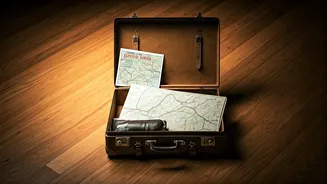
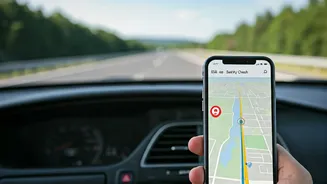
We rely on our phones for everything, especially navigation. But a smart road-risk check involves preparing for when that technology fails. Before you go, download offline maps for your entire route and destination area. This ensures you’re never truly lost, even if you drive through a cellular dead zone. Review your route in advance, noting potential construction zones or road closures, which apps don't always catch in real-time. It’s also wise to pack a portable power bank and the right charging cables. Your phone is your map, your emergency contact, and your connection to roadside assistance—its battery life is a critical safety component.
The Rental Car Walk-Around
Driving a rental car introduces a new set of variables. Don't just grab the keys and go. Perform a five-minute inspection before leaving the lot. First, walk around the vehicle and take photos or a video of any existing damage, like scratches or dents. This protects you from being blamed later. Next, get inside and familiarize yourself with the controls. Where are the headlights? How do you activate the windshield wipers? Is your phone paired with the Bluetooth system for hands-free calls? Finally, adjust your mirrors, seat, and steering wheel for optimal comfort and visibility. This quick routine turns an unfamiliar vehicle into a predictable and safer ride.
Know the Local Rules of the Road
Driving laws and customs can vary significantly from state to state, and even city to city. What’s normal on an eight-lane Texas highway is very different from a narrow Boston street. Before your trip, do a quick search on the driving regulations for your destination. Key things to look for include rules on turning right on a red light, speed limits on different types of roads, and laws regarding cell phone use while driving. For example, many states now have 'hands-free' laws that prohibit holding your phone for any reason. Being aware of these local nuances not only helps you avoid a costly ticket but also makes you a more predictable and safer driver for the locals around you.
The Modern 'What If' Kit
Your emergency kit needs to be updated for the 21st century. A basic first-aid kit is still a must, but your contingency plan should cover more. Essential additions include jumper cables or a portable jump starter, a tire sealant and inflator for minor punctures, and a reliable flashlight. Given our reliance on tech, a fully charged power bank is non-negotiable. Also consider packing non-perishable snacks and extra water, especially if you're traveling through remote areas. Finally, have a written list of emergency contacts and your roadside assistance number. In the event of an accident or breakdown where your phone is dead or broken, this physical backup could be a lifesaver.
The Human Factor Check
The most important safety feature in any car is a well-rested, attentive driver. A crucial part of your road-risk checklist is an honest self-assessment. Are you getting enough sleep before a long day of driving? Fatigue is a leading cause of accidents. Plan your route with realistic driving times, factoring in stops every two hours to stretch, rehydrate, and reset your focus. Eliminate distractions before you even turn the key: set your GPS, queue up your podcast or playlist, and put your phone in a place where you won't be tempted to grab it. The best-prepared car is useless if the person behind the wheel isn't up to the task.