

The Great Grey Backlash
First, let’s be fair to grey. The cool-toned, minimalist aesthetic that swept through homes in the 2010s—often dubbed “millennial grey” or “greige”—had its merits. It was a clean, sophisticated backdrop that made spaces feel larger and more modern. For
house flippers and developers, it was a dream: a neutral, inoffensive canvas that appealed to the widest possible market. But after years of living in what sometimes felt like beautifully photographed, slightly sterile waiting rooms, a collective fatigue set in. The problem with a perfectly uniform grey palette is that it can feel impersonal, cold, and detached from nature. It was minimalism without a soul, and many of us are now ready to invite some life back in.
Enter: Warm Minimalism
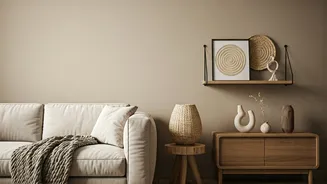
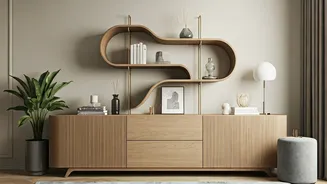
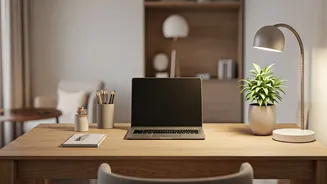
This isn't a call for a return to clutter or the avocado-and-orange chaos of the 1970s. Instead, the design world is embracing “warm minimalism.” Think of it as minimalism’s cozier, more approachable cousin. The philosophy is still “less is more,” but the “less” is chosen with far more intention, personality, and sensory appeal. Warm minimalism keeps the clean lines and uncluttered surfaces of its predecessor but trades the cool, flat tones for a palette inspired by the natural world. It’s a style that values comfort, authenticity, and the beauty of imperfect, organic materials. It’s a home that feels curated, not decorated; lived-in, not staged.
Embrace the Earth Tone Palette
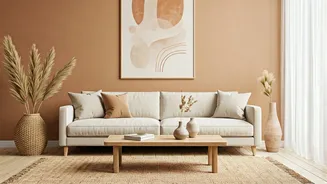
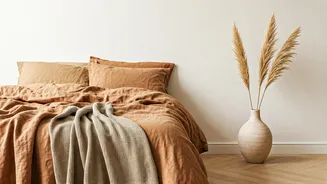
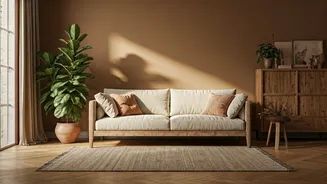
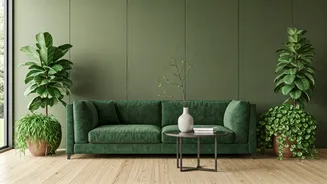
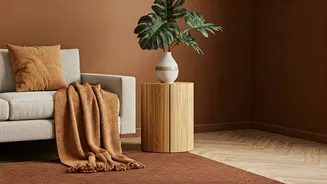
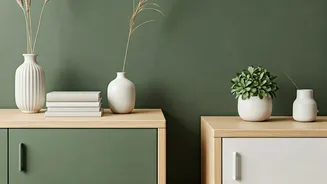
The fastest way to shift away from grey is to embrace a new color story. Warm minimalism is built on a foundation of rich, grounded earth tones. These are colors that feel inherently calming and stable. Instead of cold charcoal, think of warm, deep browns like walnut or espresso. Instead of stark white, lean into creamy ivories, oat milk shades, and sandy beiges. The real stars, however, are the more saturated earth tones. Terracotta and rust bring a sun-baked, desert heat. Ochre and mustard yellow add a sophisticated, golden glow. Olive and sage greens connect the space directly to the outdoors, creating a sense of tranquility. These colors work beautifully together, creating a layered, harmonious look that feels both timeless and deeply modern.
Texture is the New Color
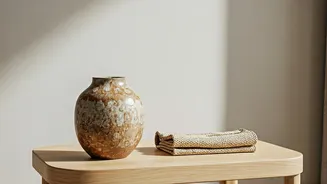
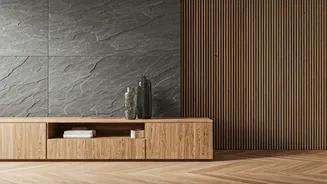
Perhaps the biggest departure from the flat, matte world of greige is warm minimalism’s obsession with texture. This is a design philosophy you can *feel*. A smooth, grey wall is visually quiet; a nubby, linen-covered sofa invites you to touch it. This trend prioritizes materials that engage the senses. Think of boucle or shearling upholstery, chunky knit wool throws, and hand-woven jute or sisal rugs. It’s also about celebrating the natural texture of materials. Instead of highly polished, lacquered wood, you’ll see raw, unfinished oak with a visible grain. Instead of perfectly smooth marble, you might find rugged travertine or unpolished stone. These textures add visual weight and depth, preventing the neutral palette from ever feeling boring.
Simple Ways to Warm Up Your Space
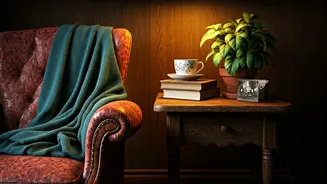
You don't need a full-scale renovation to adopt this style. The beauty of warm minimalism is that it can be layered into an existing space. Start small. Swap out your grey throw pillows for ones in terracotta, olive, or a textured cream fabric. Drape a chunky wool blanket over your sofa. Add natural elements like a large plant in an earthenware pot, a collection of branches in a simple vase, or a wooden bowl on your coffee table. Consider adding a single new piece that embodies the look, like a rattan accent chair or a jute area rug to anchor the room. Even changing your light bulbs to a warmer temperature can instantly make a space feel more inviting. The goal isn't perfection; it's to create a space that feels like a personal, comfortable retreat.