



The Rise of the Mindful Pet Parent
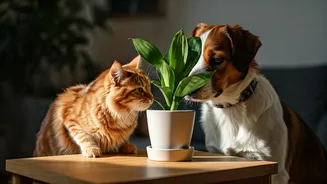
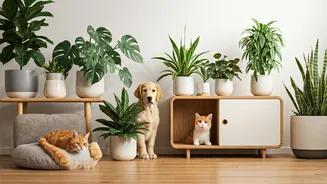
The boom in houseplant popularity coincided with a surge in pet adoption, particularly among millennials and Gen Z in city apartments. Where a spacious suburban home might offer a backyard for a dog and separate, off-limits rooms for delicate plants,
the urban studio or one-bedroom apartment forces a much closer relationship between flora and fauna. This proximity has turned a once-niche concern into a mainstream conversation. Today’s pet owners, who increasingly view their animals as family members, are extending their wellness-focused lifestyles to their pets. They’re scrutinizing pet food labels, investing in high-tech monitoring gear, and now, they’re looking at their fiddle-leaf fig with a healthy dose of suspicion.
Understanding Plant Toxicity
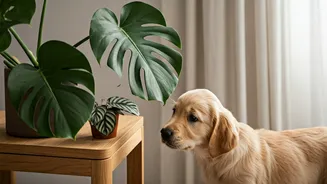
So what's the big deal? A nibbled leaf might seem harmless, but for many common houseplants, it can be dangerous. According to the ASPCA Animal Poison Control Center, which handles hundreds of thousands of cases each year, calls about plant ingestion are consistently high. The toxic compounds in plants vary. Some, like those in pothos and philodendrons, contain insoluble calcium oxalates that cause immediate, painful irritation to the mouth, tongue, and throat, leading to drooling and vomiting. Others are far more sinister. Lilies, for example, are catastrophically toxic to cats; even ingesting a small amount of the plant, its pollen, or the water from its vase can cause irreversible kidney failure and death. Sago palms are highly toxic to dogs, causing severe vomiting, liver failure, and often proving fatal. If you ever suspect your pet has eaten a toxic plant, it's crucial to contact your veterinarian or the ASPCA Animal Poison Control Center immediately.
The Pet-Safe Plant Hall of Fame
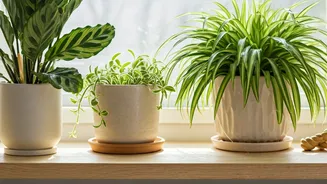
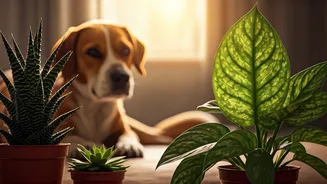
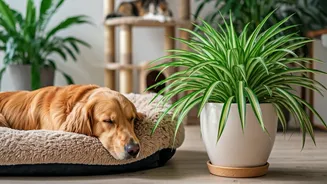
The good news is that you don’t have to choose between your pet and your dream of creating an indoor oasis. A huge variety of beautiful, stylish, and popular plants are completely non-toxic. These are a few certified crowd-pleasers: * **Spider Plant (Chlorophytum comosum):** This retro classic is famously resilient and a powerful air purifier. Its dangling “pups” are tempting for cats to bat at, but they are completely harmless if chewed. * **Calathea Species (Prayer Plants):** Known for their stunning, ornate leaves that fold up at night, calatheas are the definition of pet-safe drama. They require a bit more humidity and care but are well worth the effort. * **Parlor Palm (Chamaedorea elegans):** If you want a tropical vibe without the risk, the parlor palm is your answer. This slow-growing, low-light tolerant palm gives you a lush, leafy feel and is perfectly safe for curious cats and dogs. * **Haworthia (Zebra Plant):** For succulent lovers worried about toxic aloes, the spiky, striped haworthia is a fantastic and safe alternative that thrives on neglect.
Stylish But Risky: Common Plants to Avoid
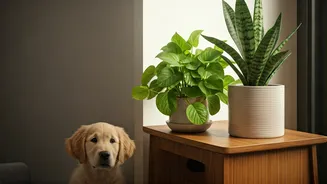
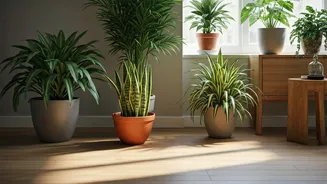
Part of being a careful plant parent is knowing what to leave at the nursery. Many of the most popular and Instagrammable plants carry risks for pet owners. Keep an eye out for these common offenders: * **Lilies:** As mentioned, all true lilies (Lilium) and daylilies (Hemerocallis) are a hard no for cat owners. The risk is simply too high. * **Pothos & Philodendron:** While generally not fatal, their calcium oxalate crystals can cause significant pain and gastrointestinal upset. Given how often cats and dogs like to chew on their trailing vines, they are best avoided or kept far out of reach. * **Snake Plant (Sansevieria trifasciata):** While only mildly toxic, this nearly indestructible plant can cause nausea, vomiting, and diarrhea if ingested by pets. * **Fiddle-Leaf Fig (Ficus lyrata):** This darling of interior design is also a source of oral irritation and GI distress for both cats and dogs if its leaves or stems are chewed on.
Smarter Setups for a Peaceful Home
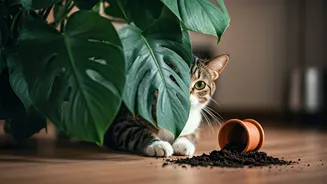
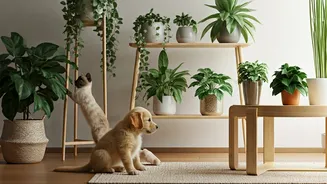
Choosing the right plant is the most important step, but you can also design your space for success. Using hanging planters is an excellent way to keep trailing plants like pothos (if you must have them) completely out of a pet's reach. Sturdy, tall plant stands can elevate pots away from curious noses. For floor plants, consider grouping them in a corner that your pet doesn't frequent or using large, heavy pots that can't be easily knocked over. A little bit of strategic placement goes a long way in creating a home where both your plants and your pets can thrive peacefully.