

The Awakening of the 'Sea of Milk'
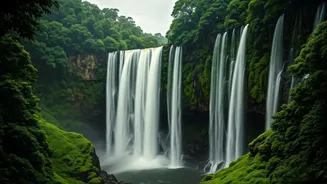
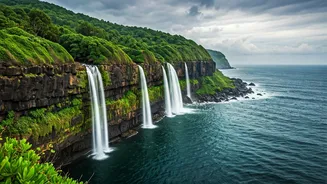
Deep within the Bhagwan Mahaveer Sanctuary and Mollem National Park lies Dudhsagar Falls, one of India’s tallest and most revered waterfalls. Its name, in the local Konkani language, means “Sea of Milk,” a poetic tribute to the frothy, white water that
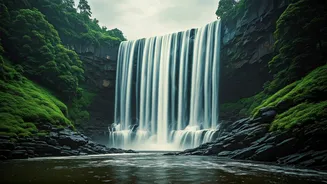
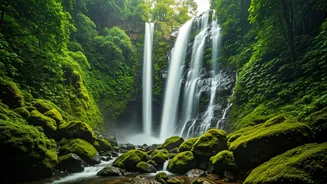
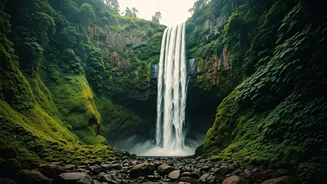
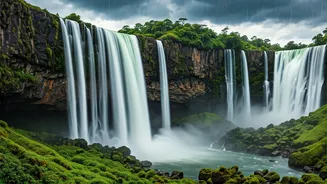
plunges over 1,000 feet down a sheer rock face. For much of the year, during the dry season, the falls are a relatively placid, multi-stream cascade. It’s beautiful, but it’s holding its breath. Then comes the monsoon. From June to September, the seasonal rains saturate the Western Ghats, a mountain range recognized as a UNESCO World Heritage Site for its stunning biodiversity. The Mandovi River, which feeds Dudhsagar, swells into a torrent. The gentle streams merge into a single, roaring behemoth of water, and the falls earn their name in the most dramatic fashion possible. What was once a trickle becomes a force of nature so powerful its spray creates a permanent cloud of mist at its base, obscuring the bottom of the falls and drenching the surrounding jungle.
A Symphony of Sound and Spray
To witness Dudhsagar during the monsoon is to experience a full sensory assault. The primary sound is the deafening roar of the water, a constant, low-frequency thunder that you feel in your chest long before you see the falls. It echoes through the valley, drowning out all other noises. The air grows thick and heavy with moisture, carrying the cool, clean scent of rain-soaked earth and vegetation. As you get closer, the fine mist gives way to a full-on spray that feels like a light rain, clinging to your clothes and hair. The visual is even more astounding. The four-tiered cascade becomes a singular, opaque wall of white, churning water. The sheer volume is staggering, creating a spectacle of untamed power. It’s this combination—the overwhelming sound, the constant mist, and the breathtaking sight of millions of gallons of water in freefall—that constitutes the “monsoon drama.” It’s nature’s grand theater, and Dudhsagar is the star performer.
The Journey Is the Spectacle
Part of the allure of Dudhsagar is that it’s not easily tamed or accessed, especially during the monsoon. The popular jeep safaris that ferry tourists through the jungle during the dry season often halt as river crossings become impassable and dirt roads turn to mud. This is where the adventure truly begins. For many, the best way to see the falls in their full monsoon glory is by train. A railway line, a relic of colonial engineering, cuts directly across the middle of the waterfall via a stone bridge. When a train slowly rumbles across, passengers are treated to a breathtaking, if brief, view right into the heart of the cascade. The sight of the train against the massive wall of water has become an iconic image, a symbol of humanity’s small footprint in a wild, powerful landscape. For the more adventurous, trekking along the railway tracks or through jungle paths (when permitted and safe) offers a more intimate and challenging journey to the falls’ base, rewarding hikers with an unparalleled sense of accomplishment.
An Ecosystem Reborn
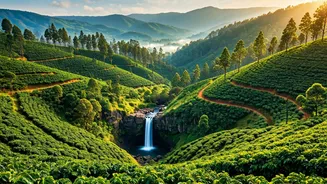
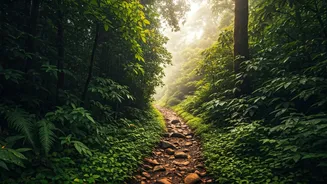
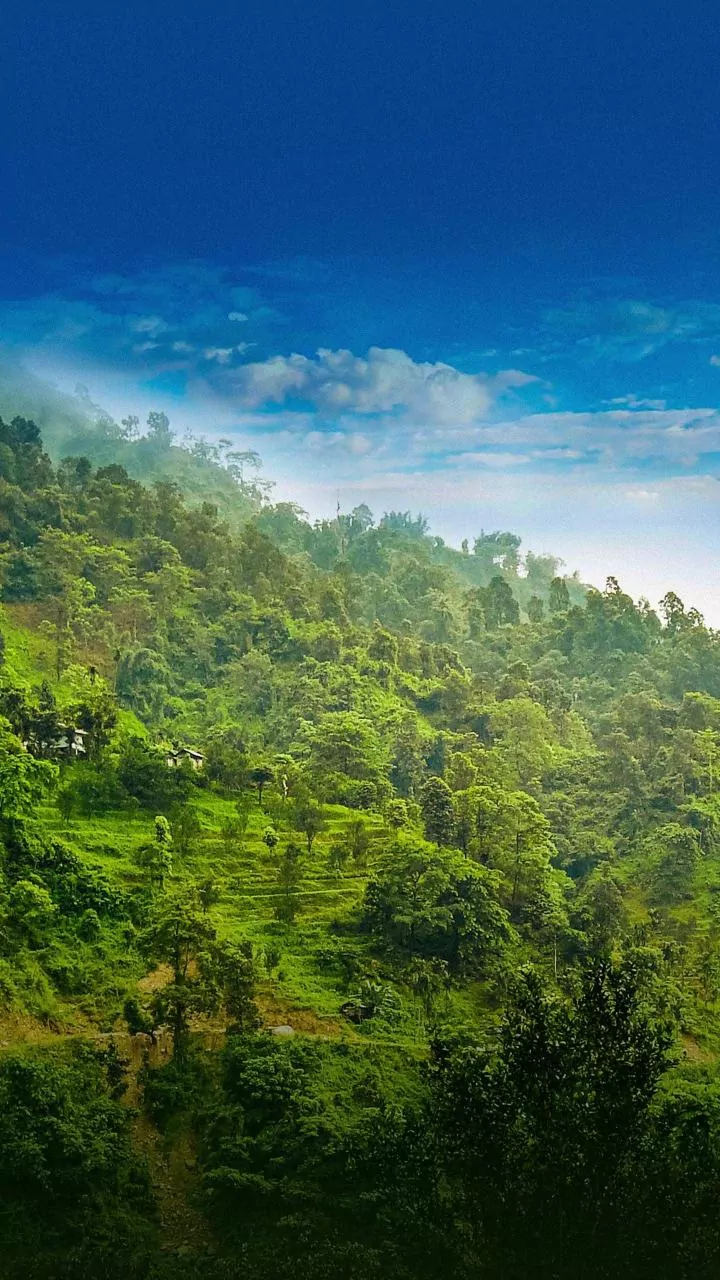
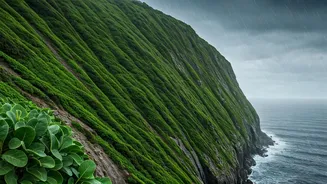
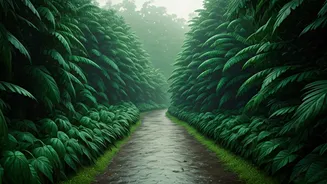
While the waterfall itself is the main event, the monsoon drama extends far beyond the cascade. The rains breathe life into the entire Mollem National Park. The forest, which can appear dusty and muted in the heat of summer, explodes into a thousand shades of vibrant green. Dormant streams and smaller waterfalls spring to life, and the park becomes a haven for a rich diversity of flora and fauna. The air buzzes with insects, frogs call from hidden pools, and the chances of spotting exotic birds, monkeys, and even the elusive black panther increase as the forest thrives. Visiting Dudhsagar during the monsoon isn’t just about seeing a big waterfall. It's about witnessing an entire ecosystem's annual rebirth. It’s a powerful reminder of the cycles of nature and the profound beauty that comes with the seasonal shift, turning a tranquil tourist spot into a raw, dynamic, and unforgettable force of the natural world.