

Why We're Chasing Flowers
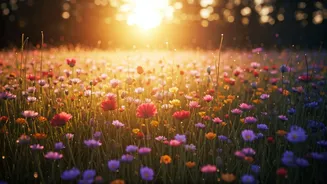
So, what’s behind this floral takeover? It's more than just a pretty picture. In a world saturated with digital noise, there's a growing desire for real, tangible, and slightly unpredictable experiences. A bloom trail—a route or region known for a spectacular,
seasonal explosion of flowers—delivers just that. These natural events are fleeting, often lasting just a few weeks. You can’t schedule a superbloom with the same certainty as a flight to Paris. This scarcity creates a sense of urgency and wonder, turning a simple road trip into a modern-day pilgrimage. It's the perfect antidote to our over-curated lives, offering a spectacle that’s entirely dependent on rainfall, sunshine, and luck. Of course, it doesn’t hurt that these landscapes are profoundly photogenic, creating a new kind of travel envy that’s less about luxury and more about being in the right place at the right, magical time.
California's Superbloom: The Holy Grail
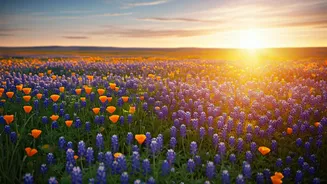
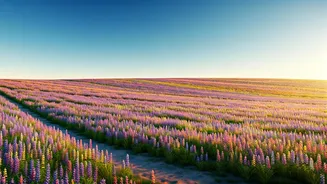
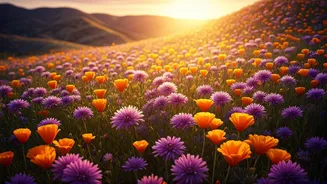
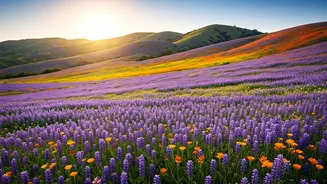
When conditions align—a wet winter followed by a cool, gradual spring—parts of California’s deserts and hillsides erupt in a floral spectacle so vast it can be seen from space. This is the superbloom. Think carpets of golden poppies, purple lupine, and desert sand verbena stretching to the horizon. Places like Anza-Borrego Desert State Park, Joshua Tree National Park, and the Antelope Valley California Poppy Reserve become bucket-list destinations. The superbloom is notoriously fickle; it doesn't happen every year, and its exact timing is a secret kept by Mother Nature. This unpredictability is part of its mythic status. When it hits, it’s a full-blown phenomenon, drawing crowds who want to witness the desert, normally muted and stark, come alive in a riot of color.
Texas Bluebonnets: A Southern Rite of Passage
In Texas, spring means one thing: bluebonnets. The state flower blankets roadsides, parks, and entire fields in a sea of deep, rich blue from late March through April. Unlike the unpredictable superbloom, the bluebonnet season is a reliable annual tradition. Families have been taking portraits in bluebonnet patches for generations, long before Instagram existed. Today, towns in the Texas Hill Country, like Ennis (the “Official Bluebonnet City of Texas”), have mapped-out driving trails that guide visitors through the most stunning displays. The appeal is pure Americana: a scenic drive, small-town charm, and the simple joy of standing in a field that looks like a watercolor painting.
Skagit Valley Tulips: Orderly Rainbows
If California’s blooms are wild and chaotic, Washington's Skagit Valley Tulip Festival is their orderly, photogenic cousin. Every April, millions of tulips burst forth in perfect, parallel rows of dazzling color. The effect is less of a natural wonder and more of a man-made masterpiece. Spanning acres of farmland with the Cascade Mountains often looming in the background, the fields look like a giant, open-air art installation. It’s a photographer’s dream, with the structured geometry of the rows providing endless opportunities for stunning compositions. You can wander through growers like RoozenGaarde and Tulip Town, feeling like you’ve been dropped into the middle of the Netherlands, right here in the Pacific Northwest.
Appalachian Highlands: A Mountain Majesty
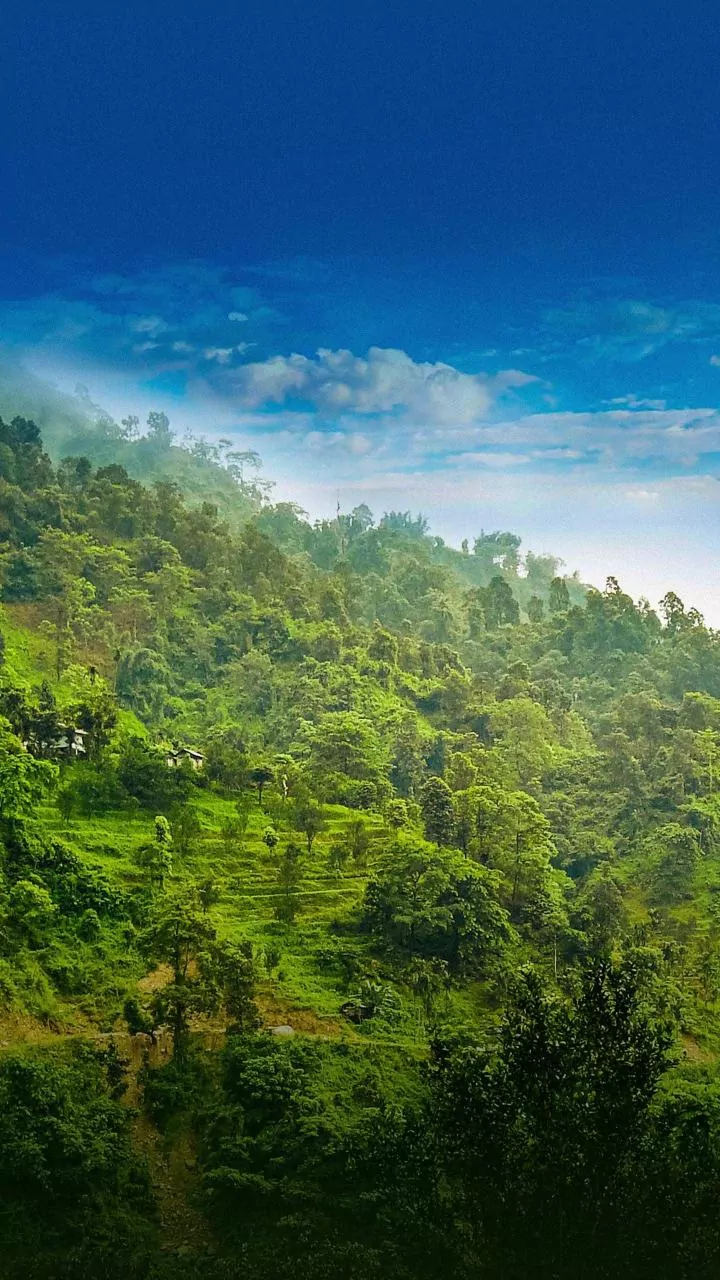
For a more rugged and elevated bloom experience, head to the Appalachian Mountains in late spring. As the weather warms, the mountainsides along the Blue Ridge Parkway and in Great Smoky Mountains National Park come alive with native azaleas, mountain laurel, and, most spectacularly, Catawba rhododendrons. In June, high-elevation spots like Roan Mountain, on the border of Tennessee and North Carolina, host the world’s largest natural rhododendron garden. The sight of these vibrant pink and magenta blooms clinging to rocky balds at over 6,000 feet is breathtaking. The journey itself—driving the winding parkway, hiking to a scenic overlook—is part of the reward. It’s a bloom trail for those who want their floral views served with a side of mountain air and epic vistas.