


Understanding the Western Ghats
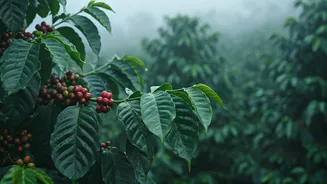
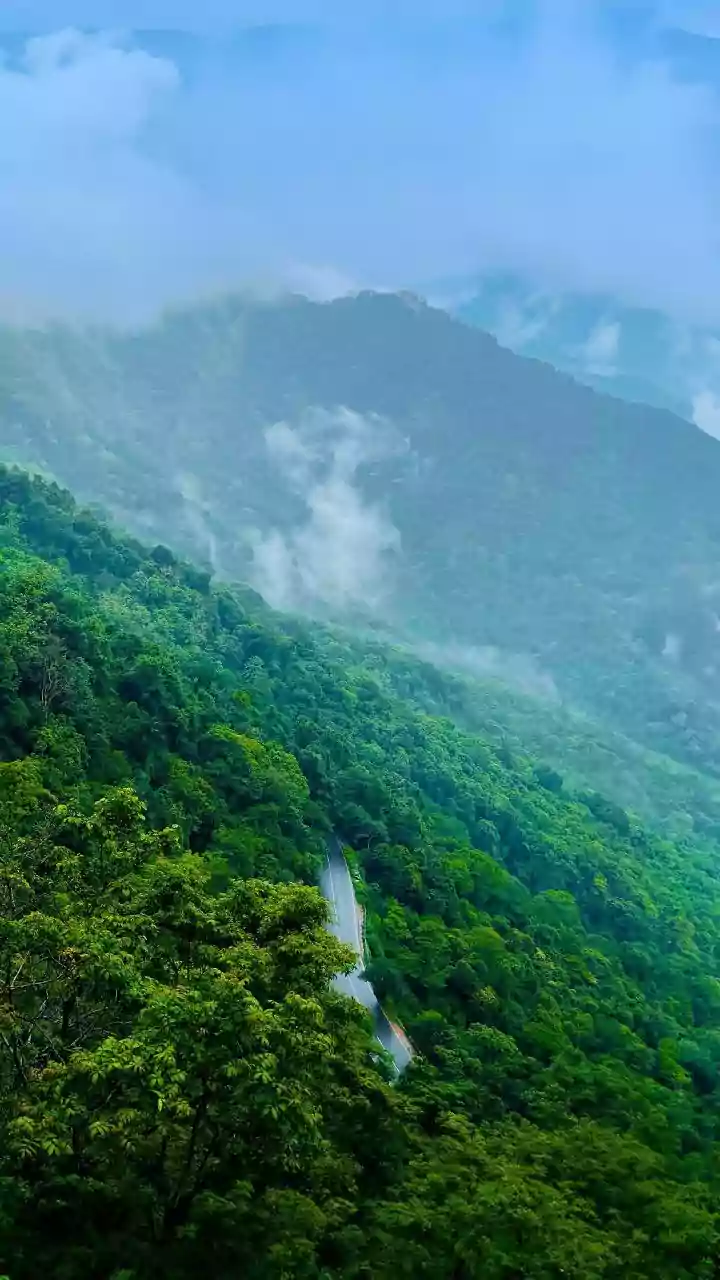
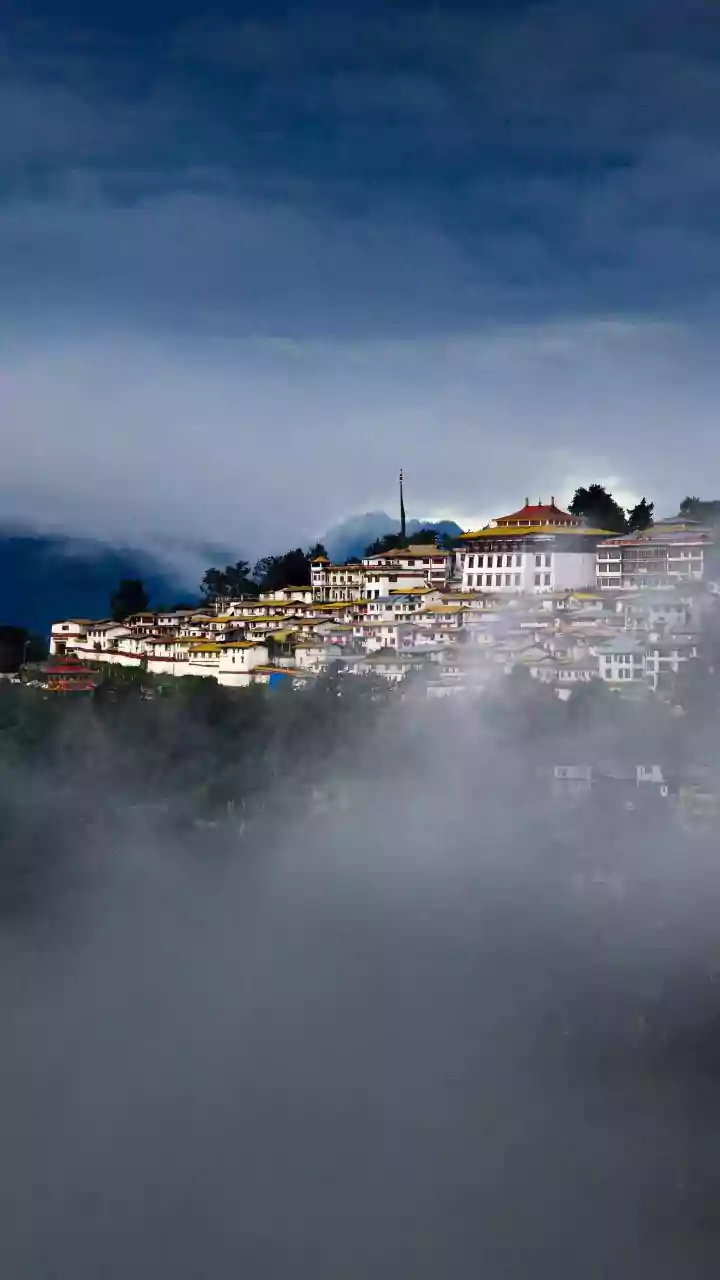
First, a quick geography lesson for the uninitiated. The Western Ghats are a 1,000-mile-long mountain range running parallel to the western coast of the Indian peninsula. Older than the Himalayas, this UNESCO World Heritage site is a global biodiversity
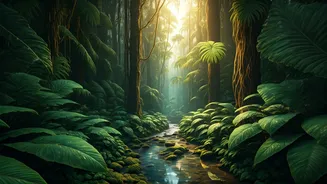
hotspot, home to thousands of species of plants and animals, many of which are found nowhere else on Earth. But for photographers, its most spectacular season is the monsoon, typically from June to September. During these months, the dry, sun-baked hillsides explode into lush greenery, and countless dormant streams awaken into thundering waterfalls. This dramatic transformation is what draws photography clubs and solo adventurers, who plan their trips with the precision of storm chasers, aiming to capture the raw power and ephemeral beauty of the revitalized landscape.
Dudhsagar Falls: The Sea of Milk
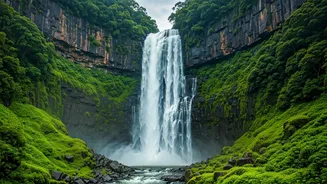
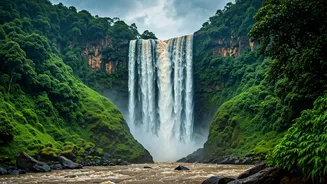
Arguably one of the most iconic images of the Western Ghats, Dudhsagar Falls is a four-tiered cascade on the Mandovi River, located on the border of Goa and Karnataka. Its name translates to “Sea of Milk,” a perfect description for the colossal volume of white water that plunges over 1,000 feet down a near-vertical cliff face. What makes it a holy grail for photographers is the railway line that crosses the falls midway up the drop. Capturing a train traversing the stone bridge as mist and spray envelop it is the trophy shot. The journey itself is an adventure, often requiring a rugged jeep ride through dense forest and river crossings, but the reward is a scene of staggering scale and power that feels like something out of a fantasy epic.
Athirappilly Falls: The Niagara of India
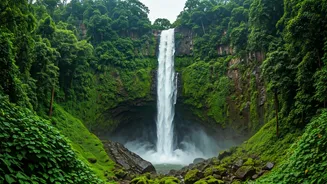
Located in the state of Kerala, Athirappilly Falls has earned its nickname as “The Niagara of India.” Formed by the Chalakudy River, this 80-foot-high, 330-foot-wide cascade is a testament to the sheer force of the monsoon. Unlike the tall, slender plunge of Dudhsagar, Athirappilly is a wide, powerful curtain of water that creates a constant, thunderous roar and a perpetual cloud of mist. Photographers love it for its accessibility and multiple vantage points. You can shoot it from the top, looking down into the churning abyss, or take a path to the bottom to be dwarfed by its immensity. Its cinematic quality has made it a popular backdrop for Indian films, but for nature photographers, it’s a chance to frame the untamed energy of the rainforest.
Jog Falls: A Four-Part Harmony
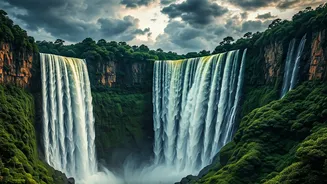
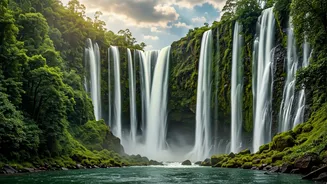
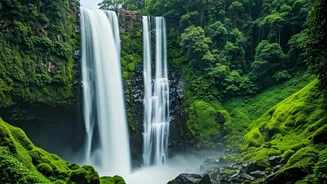
In the state of Karnataka, the Sharavathi River takes a spectacular dive, creating the second-highest plunge waterfall in India. Jog Falls is unique because it’s not one single cascade but a group of four distinct drops. Known as Raja, Rani, Roarer, and Rocket, each has its own character. Raja is the grand, unbroken column; Roarer is the violent one that crashes into the others; Rocket shoots down in a series of jets; and Rani glides gracefully down the rockface. During peak monsoon, they often merge into a single, furious torrent. Photographers wait for moments when the mist clears to capture the four falls in their individual glory, creating a composition that showcases both serene beauty and awesome power in a single frame. The viewing platforms across the gorge offer a perfect panoramic perspective.
Thoseghar Falls: The Hidden Gem
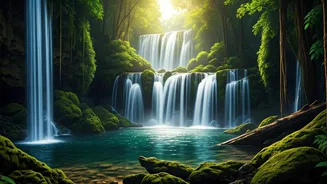
While Dudhsagar and Jog Falls are famous titans, many photography clubs seek out less-crowded but equally stunning locations like Thoseghar Falls in Maharashtra. It’s not one waterfall but a series of them, ranging from a 50-foot trickle to a dramatic 650-foot drop, all clustered in a lush, deep gorge. A well-maintained platform provides a sweeping view of the entire valley, allowing for incredible wide-angle shots. The main draw here is the sense of discovery and the sheer density of waterfalls in one location. Photographers can experiment with long exposures to create silky-smooth water against the dark, wet rock, capturing a more serene and intimate vision of the monsoon’s creative force. It’s a reminder that in the Western Ghats, breathtaking beauty isn’t always about the single biggest spectacle, but the collective symphony of water and life.