




Meet Kairi: The Unsung Hero of Summer
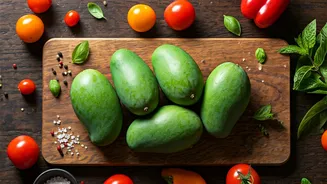
Before mangoes ripen into the sweet, juicy fruit we all know and love, they exist in their raw, green, and wonderfully tart form. In much of South Asia, particularly India, this unripe mango is known as 'kairi.' Far from being an intermediary stage to be ignored,
kairi is a culinary star in its own right. Its flavor profile is bracingly sour, with a crisp, firm texture similar to a Granny Smith apple, but with a uniquely tropical fragrance. For generations, cooks have celebrated this early harvest, recognizing its power to cut through the heat of summer and add a distinctive tang to a vast array of dishes. Finding kairi isn't about picking a mango too early; it's about embracing a different, equally delicious ingredient that the same tree provides.
A Delicious Lesson in Sustainability
In the modern conversation about food, we talk a lot about 'root-to-leaf' or 'nose-to-tail' eating as a cornerstone of sustainability. The traditional use of kairi is a perfect example of this ethos in practice. Mango trees often drop unripe fruit naturally due to wind or as part of their growth cycle. Instead of letting this bounty go to waste, resourceful culinary traditions turned it into a seasonal delicacy. By cooking with kairi, you are participating in a time-honored system that utilizes the full lifecycle of the plant. It’s a delicious way to combat food waste, embrace hyper-seasonality, and connect with a more holistic approach to ingredients. Sustainability doesn't have to be a sacrifice; in this case, it tastes like the brightest, tangiest part of summer.
Cool Down with Aam Panna
Perhaps the most famous kairi creation is Aam Panna, a restorative summer cooler that’s popular across India. To make it, green mangoes are boiled or roasted until soft, then the pulp is blended with water, sugar, and spices like cumin, black salt, and mint. The result is a drink that’s simultaneously sweet, savory, tangy, and deeply refreshing. It's prized not just for its incredible flavor but also for its reputed ability to rehydrate the body and prevent heat exhaustion. A concentrate can be made and stored in the fridge, ready to be mixed with chilled water or sparkling water for an instant, elegant, and revitalizing beverage that puts typical lemonade to shame.
Add Tang to Savory Dishes
Kairi’s sourness is a powerful tool in savory cooking, providing the acidic backbone that balances rich and spicy flavors. One classic application is Kairi ki Dal, a lentil stew where grated or chopped green mango is added during the cooking process. The kairi melts into the dal, infusing it with a subtle, complex sourness that brightens the entire dish. You can also use thin slivers of kairi in slaws and salads for a crisp, acidic crunch, or add it to fish and chicken curries to provide a tart counterpoint to creamy coconut milk. It acts much like a squeeze of lime or a splash of vinegar, but with a fruitier, more aromatic depth.
Master the Art of Chutney and Pickles
Green mango is the perfect canvas for the bold flavors of chutneys and pickles (achar). Its firm texture holds up well, and its tartness provides the ideal base for layers of spice, sweetness, and heat. A simple kairi chutney can be made by blending the raw mango with fresh mint, cilantro, green chilies, and a touch of sugar for a vibrant condiment that’s amazing with grilled meats, samosas, or simply spread on toast. For the more ambitious, making a traditional mango pickle is a rite of passage. Chopped kairi is mixed with a potent blend of mustard oil, fenugreek, fennel seeds, and chili powder, then left to cure in the sun, preserving the taste of summer for months to come.