

From Food Truck to Freezer Aisle
The vibrant, complex, and often messy joy of street food used to be something you sought out. You’d find it at bustling night markets, city festivals, or that one food truck with a perpetual line. Today, that adventure is being domesticated. Major brands
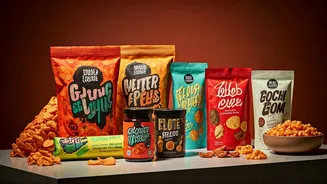
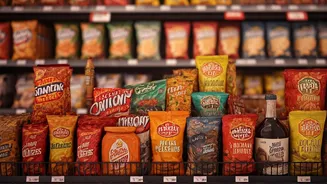
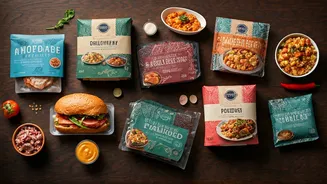
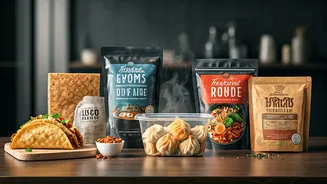
and grocery chains are aggressively packaging the world’s street food, turning hyperlocal delicacies into mass-market conveniences. This isn't just about freezing leftovers; it's a sophisticated effort to replicate the authentic experience of a Taiwanese scallion pancake, a Mexican street corn cup, or Korean tteokbokki. The trend accelerated during the pandemic, when restaurant closures and travel restrictions left consumers craving culinary excitement. With more time spent at home, Americans became more adventurous in their kitchens, but they also faced cooking fatigue. Packaged street food offered the perfect solution: novel, global flavors without the hours of prep work.
The TikTok-to-Table Pipeline
You can’t talk about this trend without talking about social media, particularly TikTok. The platform has become an incredible engine for food discovery, capable of turning a niche dish into a national obsession overnight. The most powerful example is the soup dumpling, or xiao long bao. Videos of people carefully biting into the delicate dumplings to release the savory broth went viral, creating a massive wave of consumer demand. Brands were listening. Trader Joe’s saw its frozen soup dumplings become a cult-favorite product, often selling out within hours of restocking. Similarly, brands like Bibigo and newcomers like Mila have built entire marketing strategies around satisfying this social-media-fueled craving. It's a new, lightning-fast cycle: a food goes viral, demand explodes, and manufacturers race to get a packaged version on shelves. The algorithm has, in effect, become the world's most influential menu planner.
Not Just Global, But Regional Too
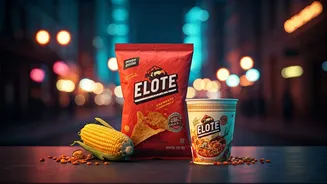
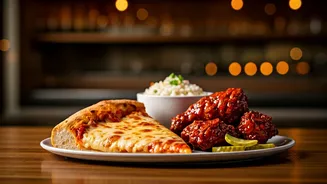
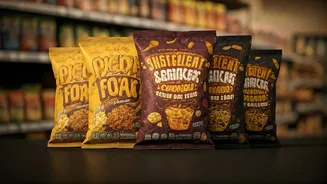
While many of the breakout stars are international—think Japanese ramen kits, Indian samosas, and Vietnamese pho concentrates—the trend also applies to beloved American regional street foods. Supermarkets now stock frozen Philly cheesesteak egg rolls, a creative fusion born on East Coast streets. You can find ready-to-heat Nashville hot chicken bites, saving you a trip to Tennessee (and the mess of a deep fryer). Even the simple pleasure of elote, Mexican street corn slathered in mayo, cotija cheese, and chili powder, has been deconstructed into corn salads, seasoned frozen corn, and even flavored potato chips. This domestication of regional specialties broadens their reach, introducing a New Yorker to the joys of a Sonoran hot dog or a Californian to the spicy kick of a Midwest-style walking taco, all from the comfort of their own kitchen.
The Quest for Authenticity (and Its Limits)
Of course, the big question is: can a frozen, packaged product ever truly replicate the magic of food made fresh on the street? The answer is complicated. Food scientists work tirelessly to capture the precise textures and flavors—the “slurpability” of ramen broth, the crisp-chewy texture of a bao bun, the perfect char on a piece of chicken satay. In many cases, the results are surprisingly impressive, offering a faithful, if slightly muted, version of the original. However, compromises are inevitable. Spices might be toned down for a broader American palate, and the dynamic, made-to-order element is lost. The steam rising from a vendor's cart, the sizzle of oil, and the communal experience of eating on a crowded sidewalk are ingredients that can't be vacuum-sealed. These products aren't a replacement for the real thing, but rather a convenient, accessible homage.