

The Post-Pandemic Reality Check
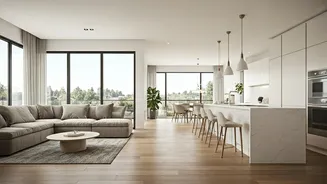
The great work-from-home experiment wasn't just a trial for office culture; it was a stress test for our houses. Suddenly, the cavernous, open-concept great room that looked so stunning in real estate photos became a chaotic echo chamber. One person’s
Zoom call bled into another’s, while a third person tried to watch TV and a fourth attempted to do homework at the kitchen counter. The lack of walls, once a symbol of breezy modernity, became a liability. We were forced to confront a simple truth: our homes were designed for evenings and weekends, not for 24/7 occupancy by the entire family. This collective experience triggered a 'great reassessment' of what makes a home truly valuable, shifting the focus from static beauty to dynamic function.
The Downfall of the 'One-Room' Home
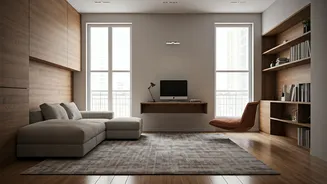
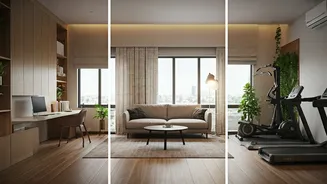
The open floor plan's promise was one of togetherness. In reality, it often delivered a lack of privacy and an abundance of noise. When your 'office' is a corner of the dining table and your 'gym' is a yoga mat unrolled in the living room, the boundaries between work, life, and relaxation dissolve into a stressful soup. Today's savvy buyers and renovators are looking for something different. They’re seeking 'zoning'—the ability to create distinct areas for different activities. This doesn't necessarily mean a return to the tiny, boxed-in rooms of the past. Instead, it’s about clever design: pocket doors that can close off a den, a small nook that can become a dedicated office, or a finished basement that offers a genuine escape.
Meet the New Status Symbol: The Flex Space
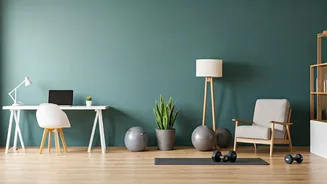
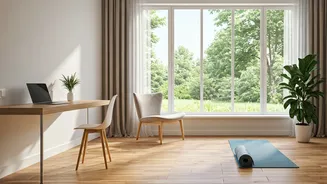
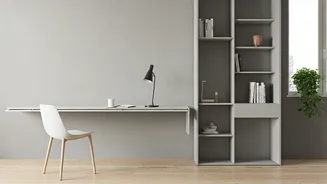
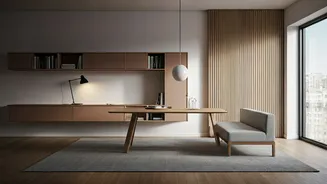
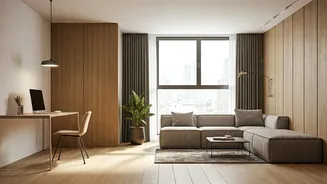
If the pre-2020 status symbol was a gleaming quartz countertop, the new one is the humble 'flex space.' This is the chameleon room—a spare bedroom or den that can serve as a home office by day, a workout room in the evening, and a guest room on the weekend. Its value isn't in its opulence but in its versatility. A home with a well-designed flex space is a home that can adapt to life's changing needs, from a new baby to a new remote job. Real estate agents report that listings highlighting a 'home office' or 'bonus room' now get significantly more attention than those that just boast about new appliances. This signals a permanent change in priorities; we're investing in adaptability over aesthetics.
Flow Trumps Finishes
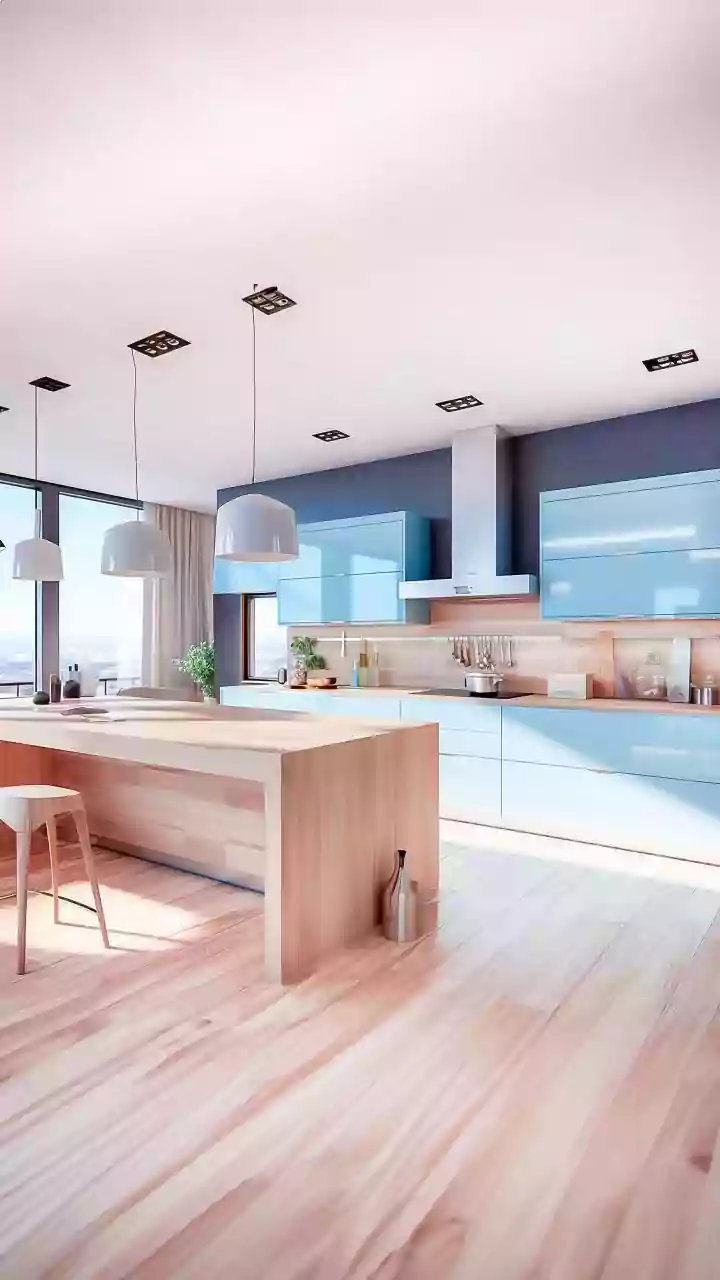
Ultimately, the shift is about recognizing the importance of 'flow'—the intuitive, almost invisible quality of a home that just works. Does the entryway have a place to put down keys and mail? Is the laundry room located conveniently, or is it a trek through the main living area? Is there enough storage to prevent clutter from taking over? These are the questions that define daily life in a home long after the initial thrill of a waterfall countertop has worn off. A house with great flow reduces friction in your day-to-day existence. It supports your routines rather than fighting against them. While a beautiful, expensive faucet is nice to look at, it can't fix the frustration of a kitchen with a poorly designed work triangle.