





1. The Vibe Must Be Impeccable
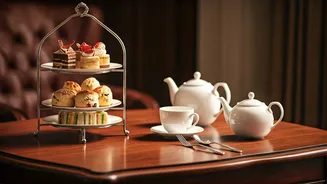
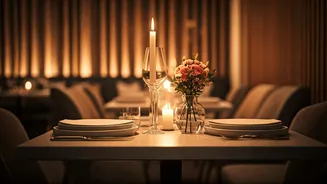
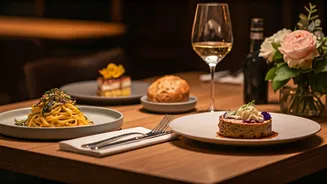
First and foremost, the aesthetic is non-negotiable. But this isn’t the stark, industrial-chic minimalism of the 2010s. The soft-life foodie is looking for warmth, texture, and intentional beauty. Think less concrete and exposed ductwork, more plush velvet
banquettes, warm, flattering lighting (no overhead interrogation lamps, please), and enough greenery to feel like a gentle escape. The goal is a space that soothes the senses before a single plate has been served. It’s an environment that encourages you to relax your shoulders and put your phone down—after snapping one perfect, serene photo, of course.
2. Acoustics Matter More Than the Amuse-Bouche
Remember when the mark of a popular restaurant was a noise level so high you had to shout your order and text the person sitting across from you? For the soft-life diner, that’s a hard pass. The new standard is a restaurant where you can actually hear your dining companion. This doesn't mean library-like silence, but it does mean a thoughtfully designed soundscape. Maybe it’s a perfectly curated, low-volume playlist of neo-soul or lofi beats. Maybe it’s the gentle, ambient hum of other relaxed conversations. The auditory experience should be calming, not chaotic, contributing to a feeling of peace rather than a spike in cortisol.
3. Comfort Is the Main Course
The soft life is, by definition, a life of comfort. This translates directly to the physical experience of being in a restaurant. Wobbly, backless stools? Hard no. Tables crammed so close together you’re practically part of your neighbor’s anniversary dinner? Absolutely not. The new checklist prioritizes comfortable seating you can settle into for hours, generous spacing between tables that honors personal boundaries, and an overall sense of physical ease. This extends to things like coat checks, clean and well-stocked restrooms, and a temperature that doesn’t require you to keep your winter coat on.
4. Low-Effort, High-Quality Service
Hustle culture celebrated difficulty: the impossible-to-get reservation, the secret menu you had to be 'in the know' to order from, the server who acted like they were doing you a favor. The soft-life approach rejects this entirely. The ideal experience is seamless and frictionless. This means an easy-to-use online reservation system (no more calling a landline 30 days in advance at precisely 10 a.m.), menus that are clear and appealing rather than pretentious and confusing, and service that is attentive but not intrusive. The goal is to feel catered to and cared for, not challenged or tested. The luxury is in the effortlessness.
5. The Food Is Nourishing, Not a Puzzle
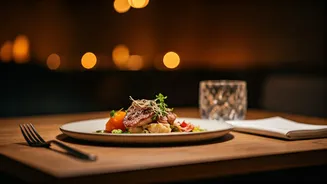
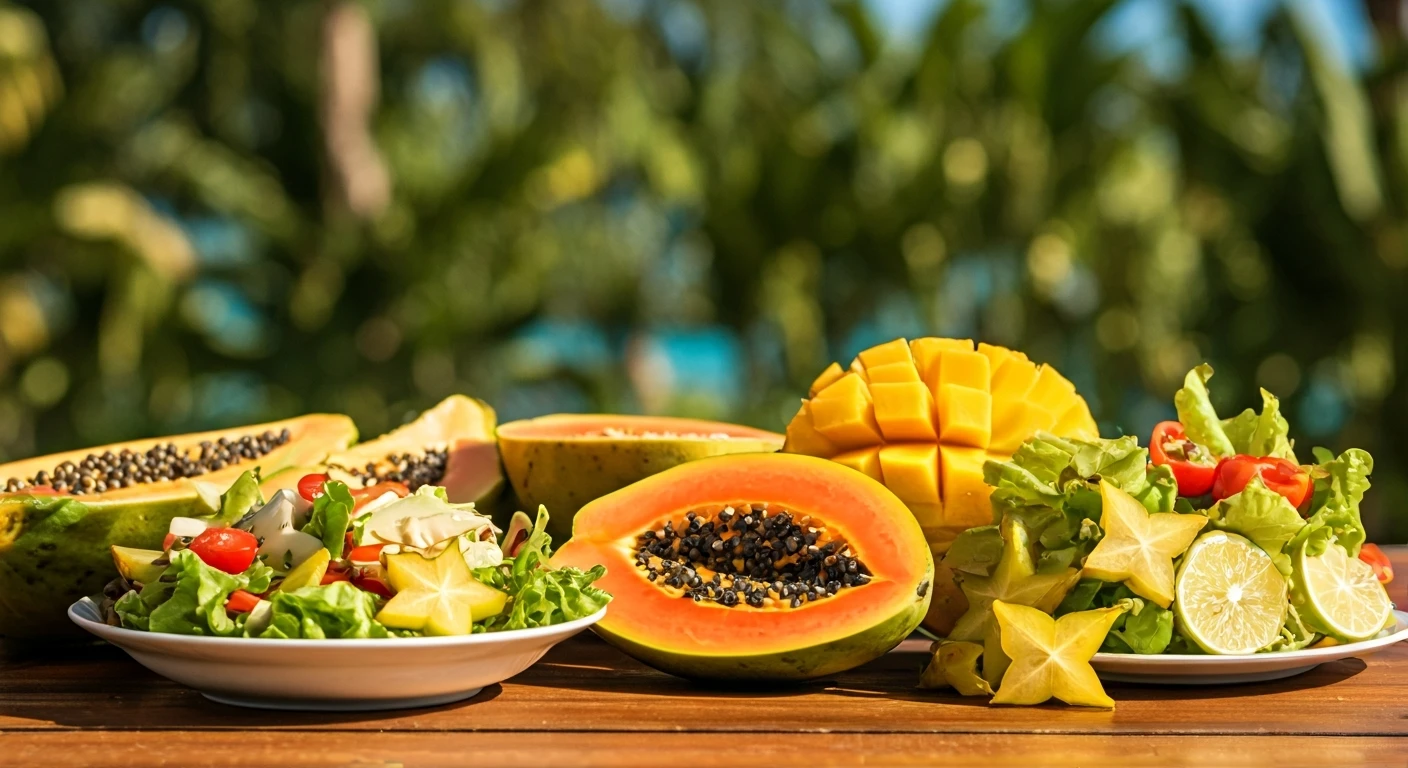
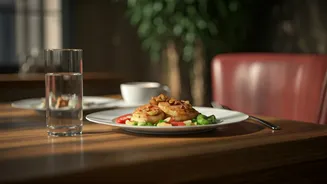
While culinary innovation is still appreciated, the soft-life foodie isn’t necessarily seeking out foams, gels, and dishes that require a paragraph of explanation. The focus has shifted toward food that is comforting, nourishing, and made with high-quality, legible ingredients. Think of a perfectly roasted chicken, a beautifully composed salad with fresh, seasonal vegetables, or a decadent but straightforward pasta. The food should be delicious and aesthetically pleasing, but its primary function is to bring pleasure and satisfaction, not to be a high-concept art project. It’s about feeling good after the meal, not just impressed during it.