
Beyond the Plastic Nursery Pot
For decades, the journey of a houseplant has begun in the same way: as a seedling in a flimsy, black plastic pot filled with peat moss. While convenient for growers, this model is a quiet environmental headache. Peat bogs are vital carbon sinks, and harvesting
peat moss releases huge amounts of carbon dioxide. Add to that the mountain of non-recyclable plastic pots, and the green hobby starts to look a little less, well, green. The 2026 makeover starts with cleaning up this supply chain. Expect to see more plants sold in biodegradable coir (coconut fiber) pots or other compostable containers you can plant directly into a decorative vessel. The soil itself is changing, with a massive industry push toward “peat-free” mixes that use sustainable alternatives like coco coir, composted bark, and wood fiber. This shift isn't just about eco-consciousness; these mixes often provide better aeration and drainage, leading to healthier roots and happier plants.
The Soilless Revolution
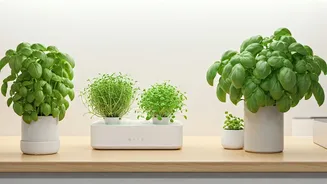
What if the cleanest plant was one with no soil at all? This isn’t a sci-fi concept; it’s a rapidly growing trend called semi-hydroponics, and it’s the definition of a “clean” makeover. Instead of dirt, plants are potted in sterile, reusable substrates like LECA (Lightweight Expanded Clay Aggregate) or Pon (a mineral-based substrate). These tiny clay or stone balls don’t break down, harbor pests, or create mud. In a semi-hydro system, the plant’s roots grow down into a water reservoir at the bottom of the pot, wicking up moisture as needed. The benefits are huge: no more mysterious fungus gnats buzzing around your desk, no messy repotting sessions, and a drastically reduced risk of over- or under-watering. It transforms plant care from a guessing game into a simple, observable process. You just top off the reservoir when it’s low. It's a visually clean look that appeals to minimalists and a functionally clean system that appeals to anyone tired of soil-related problems.
Your Plant’s Personal Assistant
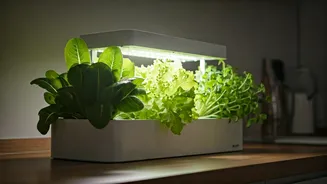
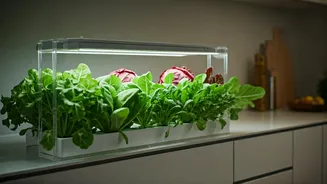
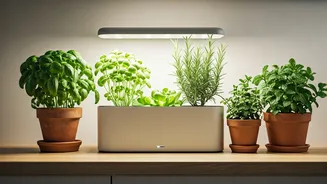
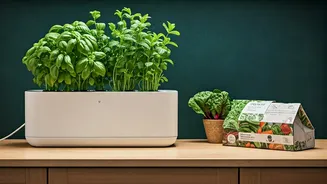
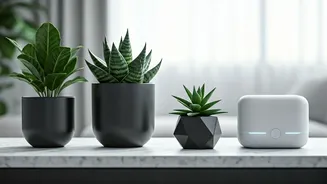
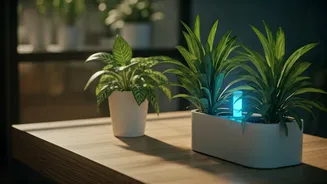
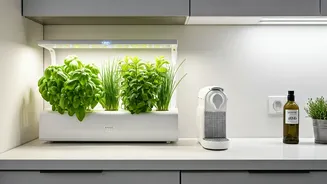
The next layer of the clean makeover is powered by technology. The “set it and forget it” dream is getting closer to reality with the rise of smart planters and automated care systems. These aren't just self-watering pots anymore; they’re integrated ecosystems designed to give your plants precisely what they need, when they need it. High-end systems like Gardyn or Click & Grow use hydroponic or aeroponic technology with built-in LED grow lights and automated nutrient delivery, allowing you to grow anything from herbs to leafy greens with minimal effort. On a smaller scale, smart pots from brands like Lomi or WANFEI connect to apps on your phone, monitoring moisture levels, light exposure, and even fertilizer concentration. They send you alerts when it’s time to water, move the plant to a sunnier spot, or add nutrients. This tech-forward approach makes plant care cleaner by eliminating waste—the waste of dead plants, wasted water, and the wasted effort of a frustrated plant parent.
Genetically Engineered Air Purifiers
The most futuristic element of this makeover is happening at a cellular level. For years, we’ve bought plants based on the promise of their air-purifying abilities, a concept popularized by a 1989 NASA study. However, subsequent research has shown that you’d need a dense jungle in your living room to make a significant dent in air pollutants. That’s about to change. Biotech startups are now developing genetically engineered houseplants designed to be hyper-efficient air purifiers. A French company, Neoplants, has introduced a modified Pothos that they claim can remove volatile organic compounds (VOCs) from the air up to 30 times more effectively than a conventional plant. These bio-hacked plants are engineered to take pollutants like formaldehyde and benzene, which are common in indoor air, and metabolize them into harmless substances. This represents the ultimate clean plant: one that not only looks beautiful but actively and efficiently scrubs the very air you breathe.