
More Than Just a Mashup
For years, “fusion” food carried a certain stigma—a gimmicky attempt to cram two unrelated cuisines together, often with clumsy results. But what’s happening with Indian-American food today is something else entirely. This isn't about slapping curry powder
on a burger and calling it a day. It’s a thoughtful, personal, and often deeply nostalgic exploration of identity led by a new generation of chefs and home cooks. Raised on both pizza nights and their parents’ dal, they are fluent in two distinct culinary languages. The dishes they create are not a forced marriage but a natural conversation between the flavors of their heritage and the comfort foods of their American upbringing. It’s less about chasing a trend and more about expressing a lived reality on a plate, where chicken tikka and macaroni are not foreign concepts but co-habitants of the same pantry.
The Savory Remix You Didn't Know You Needed
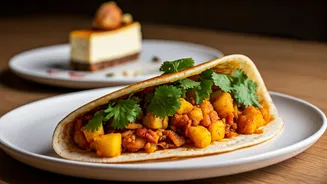
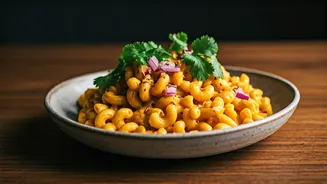
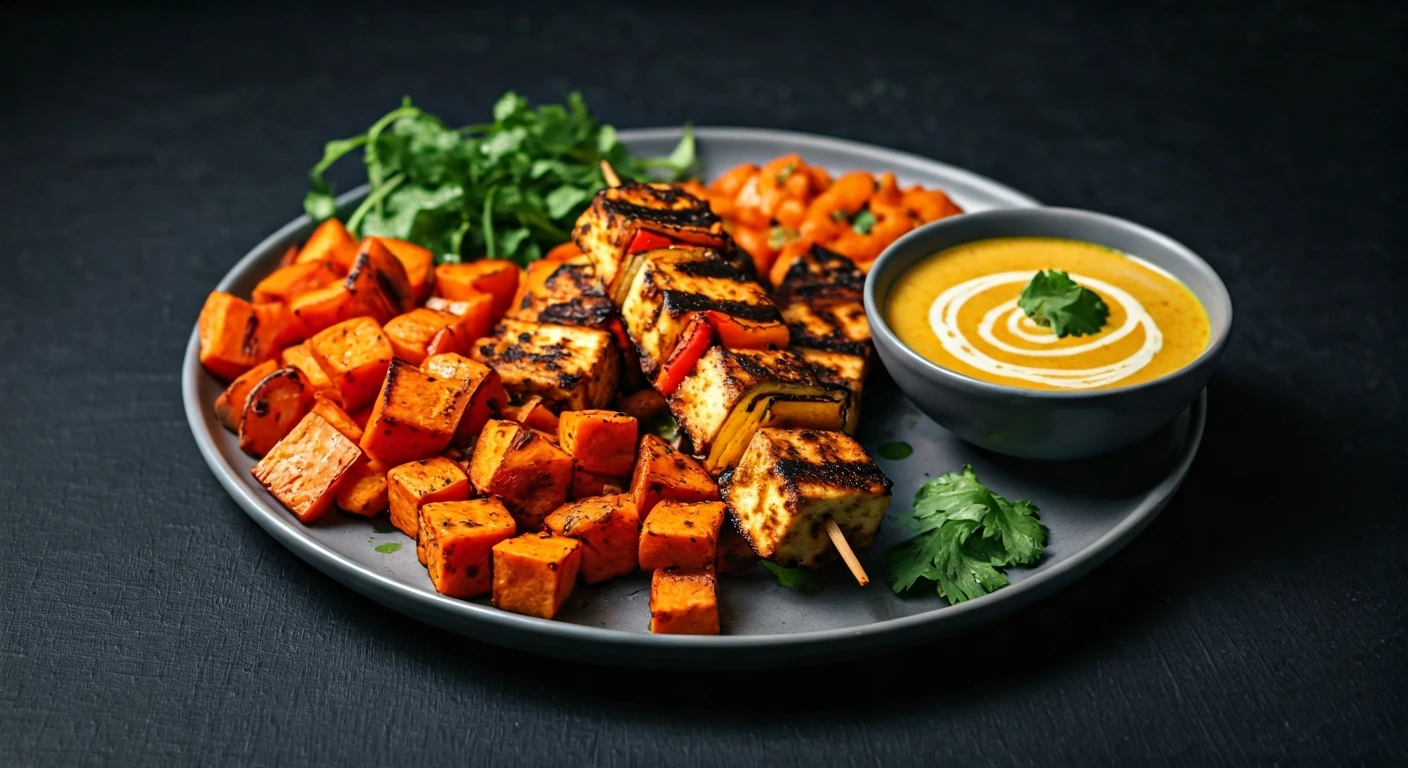
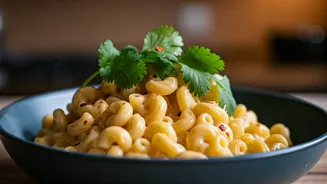
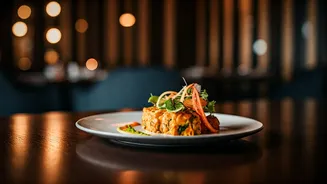
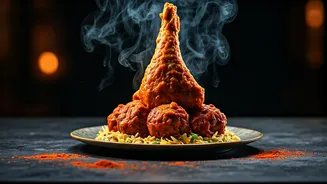
The most visible examples of this trend are found in savory classics. Take the humble grilled cheese, an icon of simple American comfort. Now, imagine it stuffed with paneer bhurji (spiced scrambled cheese) or a sharp cheddar spiked with green chili and cilantro chutney. Suddenly, it’s a whole new experience—still cheesy and comforting, but with an added layer of spice and complexity. The same alchemy is transforming other mainstays. At restaurants and in home kitchens across the country, you’ll find Keema Sloppy Joes, where the spiced ground lamb brings a fragrant depth that Hunt’s Manwich could only dream of. Tandoori fried chicken marries the smoky, yogurt-marinated flavor of the tandoor with the irresistible crispy-crunch of Southern-style fried chicken. And perhaps the poster child of the movement, masala mac and cheese, has become a staple, its creamy béchamel infused with turmeric, cumin, and a pinch of cayenne for a dish that feels both radically new and intimately familiar.
A Sweet and Spicy Revolution
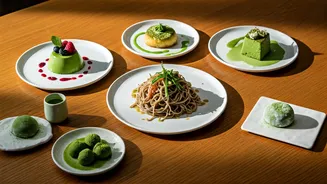
The makeover isn't limited to the main course. Dessert, a realm often resistant to savory spice, is undergoing its own delicious revolution. The undisputed star is the Gulab Jamun Cheesecake. This brilliant creation embeds the syrupy, rosewater-scented dough balls directly into a creamy cheesecake base, creating a perfect balance of textures and flavors. It honors the classic Indian sweet while presenting it in a format universally beloved by Americans. But the innovation doesn’t stop there. Creative bakers are turning carrot halwa, a rich Indian pudding of grated carrots, milk, and nuts, into fillings for rustic pies. Crème brûlée gets a chai-spiced makeover, its custard infused with cardamom, cinnamon, and cloves before being topped with its signature crackling sugar crust. These desserts work because they tap into a shared love of warming spices and rich, satisfying sweets, proving that cardamom and cinnamon can feel just as at home in a cheesecake as they do in a kheer.
Defining the New American Plate
Ultimately, this culinary movement is about more than just good food; it’s about the evolution of what it means to eat “American.” For decades, the story of American food has been the story of immigrant adaptation—from Italian-American red sauce joints to the widespread love of Tex-Mex. The rise of Indian-inflected comfort classics is the next chapter in that story. It signals a new level of confidence and integration for Indian cuisine in the United States. It's no longer confined to the “ethnic” aisle or traditional restaurants but is now a dynamic and creative force in the mainstream. These dishes aren't just “Indian-spiced”; they are a new kind of American classic, born from the multicultural reality of the nation’s kitchens. They represent a delicious declaration that you can love both pizza and paneer, and that sometimes, the best food comes from letting them share the same plate.