


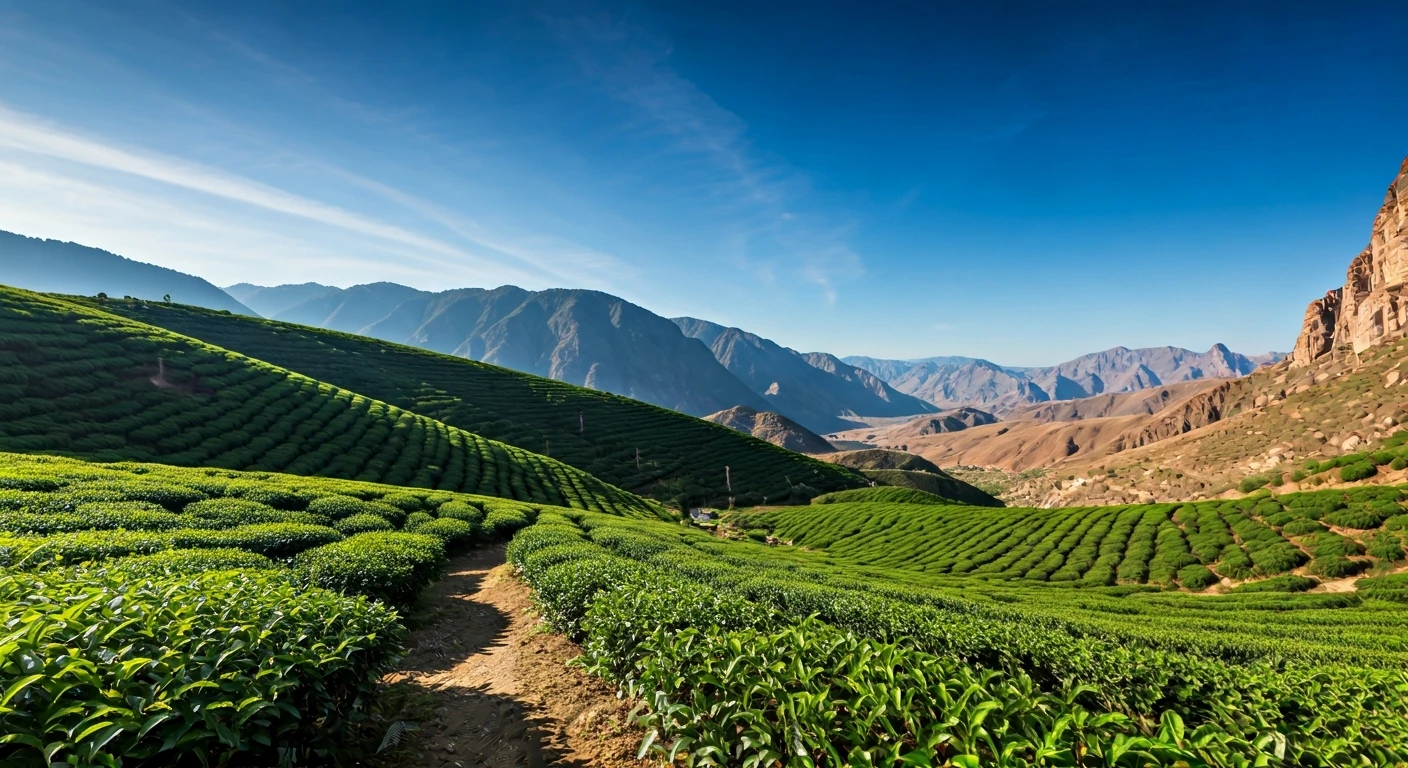
The Spiritual Gateway to Adventure
For many Americans, Rishikesh is a name synonymous with The Beatles, spiritual retreats, and the tranquil flow of the sacred Ganges River. Nestled in the Himalayan foothills of northern India, it’s rightfully called the “Yoga Capital of the World.” Temple
bells chime, incense hangs in the air, and saffron-robed sadhus are as common as wandering cows. But to pigeonhole Rishikesh as merely a place for quiet contemplation is to miss its other, more boisterous identity. This town is a paradox, a perfect fusion of zen and zeal. The same river that hosts the mesmerizing evening Ganga Aarti ceremony, a fire-lit ritual of devotion, is also the epicenter of one of Asia's most thrilling whitewater rafting scenes. It’s this duality that makes a trip here so unforgettable; you come seeking peace and find an adventure that leaves your spirit soaring.
Choosing Your Ganges Gauntlet
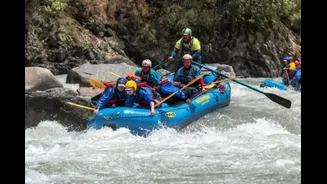
The rafting experience in Rishikesh isn’t one-size-fits-all. It’s a choose-your-own-adventure buffet served on a river. The season typically runs from late September to June, avoiding the monsoon. For beginners or families, a shorter 7.5-mile stretch from Brahmapuri offers a gentle introduction with a few playful Class II rapids. The most popular route, however, starts at Shivpuri, a 10-mile journey that delivers a solid mix of stunning scenery and heart-pounding Class III and III+ rapids. For the true adrenaline junkies, the run from Marine Drive clocks in at 15 miles and includes some of the river’s most formidable challenges. Booking is easy, with countless operators lining the streets of the Tapovan area. The key is to choose wisely: opt for established companies with certified guides, proper safety equipment (helmets and life vests are non-negotiable), and a thorough pre-launch safety briefing. A good guide doesn't just steer the raft; they are a storyteller, a naturalist, and your ultimate confidence-booster.
The Rush of the Rapids
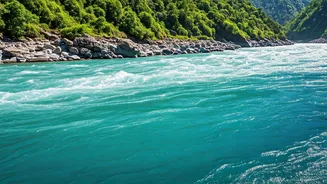
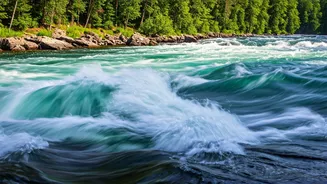
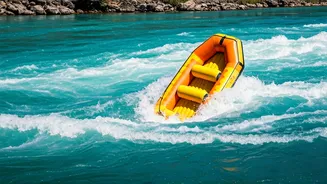
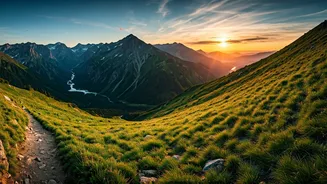
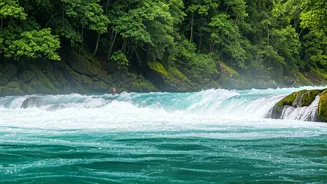
Pushing off from the sandy riverbank, the first shock is the water’s temperature—a bracing, glacial chill that immediately sharpens your senses. The guide barks commands—“Forward paddle! Left back! Get down!”—and the rhythm of teamwork takes over. Then you hear it: a low rumble that grows into a roar. You’re entering a rapid. The raft pitches and yaws, cresting a wave as a wall of cold, surprisingly clean water crashes over you. Laughter and screams mix with the sounds of the churning river. Famous rapids like “Three Blind Mice,” “Roller Coaster,” and the notorious “Golf Course” provide sustained bursts of pure, unadulterated fun. But the experience isn't all chaos. In between the whitewater sections are long, placid pools where the raft drifts gently. Here, the true magic of the location sinks in. You can leap from the raft for a “body surf” in the current, floating on your back as you gaze up at the lush, green mountains and the iconic Laxman Jhula suspension bridge in the distance. It's a moment of profound peace sandwiched between bursts of exhilarating energy.
Beyond the Riverbank
The “full weekend energy” doesn’t end when you haul the raft ashore. The experience extends into the very fabric of Rishikesh life. Many rafting packages include an overnight stay at a riverside beach camp. These are often simple tented accommodations, but what they lack in luxury they make up for in atmosphere. Evenings are spent around a bonfire, sharing stories with fellow travelers from around the globe, eating simple but delicious camp-cooked food under a blanket of stars. Back in town, the energy shifts. The narrow lanes are bustling with shops selling yoga pants and singing bowls, while cafes offer organic juices and vegan fare. You can spend an afternoon exploring the abandoned, graffiti-covered ashram where The Beatles stayed in 1968, or simply find a perch overlooking the river and watch the world go by. The rafting trip is the anchor, but it’s the combination of the river, the town, and the people that completes the circuit of energy.