






The Jerky Aisle's Plant-Based Glow-Up
For decades, jerky was the undisputed king of the gas station snack run—a salty, chewy, protein-packed bite for the road. In recent years, it’s undergone a serious rebranding. Gourmet beef jerky made with grass-fed beef and artisanal marinades appeared
in high-end grocery stores, repositioning it as a health food. Now, the jerky aisle is undergoing its next evolution: the plant-based takeover. While soy, mushroom, and even kelp jerky have been carving out a niche, the arrival of lentil jerky signals a new phase. It represents a move toward using familiar, whole-food ingredients to create a product that doesn’t just mimic meat, but stands on its own as a legitimate snack option. It’s less about pretending to be beef and more about celebrating what a lentil can become.
What Exactly Is Lentil Jerky?
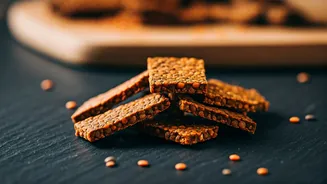
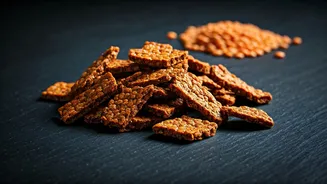
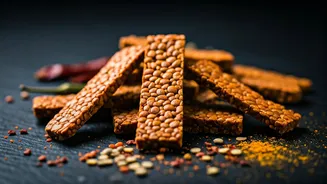
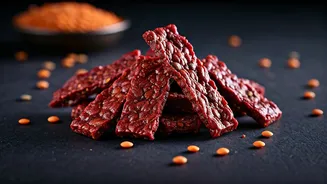
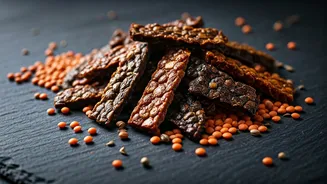
If your only experience with lentils involves soup or a hearty dal, the idea of chewing on them like jerky can be confusing. But the process is a clever bit of food science. Most lentil jerky starts with cooked lentils (often red or brown varieties) which are pureed and mixed with other ingredients to achieve the right texture and flavor. These often include a binding agent like vital wheat gluten or potato starch to provide that signature chew, along with a healthy dose of savory spices—think smoked paprika, garlic powder, onion powder, and liquid smoke to evoke a classic BBQ or teriyaki flavor profile. This mixture is then rolled out into thin sheets, cut into strips, and dehydrated slowly at a low temperature, just like traditional jerky. The result is a product that’s firm, chewy, and deeply savory, providing a satisfying tear-and-chew experience that is surprisingly close to its meaty counterpart, but with a subtle, earthy undertone all its own.
Packing a Plant-Powered Protein Punch
The primary appeal of any jerky is its promise of a portable protein hit. So how does the lentil version stack up? Surprisingly well. Lentils are nutritional powerhouses, packed with plant-based protein, dietary fiber, and essential minerals like iron and folate. While the exact nutritional profile varies by brand, a typical one-ounce serving of lentil jerky can offer around 10-15 grams of protein, which is comparable to many beef jerky options. The real win often comes from the fiber content—something traditional jerky completely lacks. This fiber contributes to a feeling of fullness, making it a more satiating snack. Furthermore, lentil jerky is naturally cholesterol-free and generally lower in saturated fat. Consumers should still be mindful of sodium levels, which can be high in any jerky product, but on the whole, it presents a compellingly clean nutritional label for anyone looking to up their protein intake without relying on animal products.
The Quest for the Perfect Savory Snack
Lentil jerky is more than just a quirky one-off product; it’s a symptom of a much larger trend in the food industry. For years, the challenge for plant-based food innovators hasn't been nutrition, but desire. How do you make beans, legumes, and tofu as craveable and convenient as a bag of chips or a Slim Jim? The answer lies in texture and flavor innovation. Companies are pouring resources into making plant proteins feel less like a chore and more like a treat. By transforming the humble lentil from a soft, soupy ingredient into a chewy, umami-rich jerky, producers are cracking the code of snackability. It makes plant-based eating feel less like a sacrifice and more like an exciting new frontier of flavor. This is how you win over not just vegans and vegetarians, but the massive and growing market of “flexitarians” who simply want to eat a little healthier and more sustainably without giving up the snacks they love.