
Beyond Simple Revival
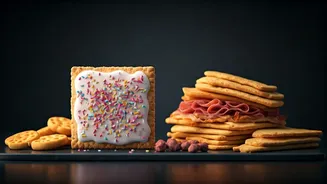
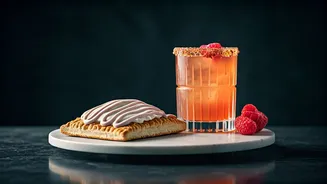
Walk into a high-end bakery today, and you might see a croissant-dough version of a Pop-Tart, filled with house-made jam. Visit a trendy cocktail bar, and the menu could feature a clarified milk punch infused with the essence of a Fruit Roll-Up. This
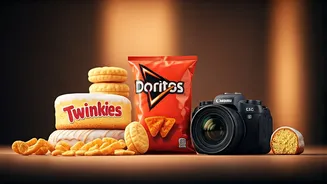
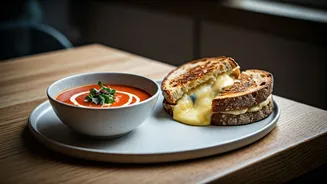
isn't just about bringing back old products; it's a full-blown reinterpretation. The trend isn't nostalgia—it's 'new-stalgia.' It takes the emotional core of a childhood memory and dresses it up for an adult palate and a modern aesthetic. We're not just eating a fancy Twinkie; we're consuming an idea: the belief that we can bring the simple joys of the past into our complicated adult lives, but make it better, healthier, and certainly more Instagrammable.
The Search for Comfort and Control
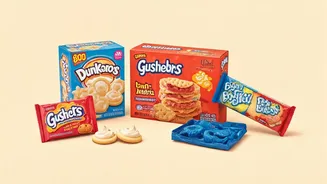
So why is this happening now? The answer lies in our collective cultural psyche. In a world defined by uncertainty, from economic anxieties to political division and the lingering stress of a pandemic, familiar flavors offer a potent form of comfort. They are predictable, reliable anchors to a time when life felt simpler. For Millennials and older Gen Z, who are now the dominant consumer force, flavors like Dunkaroos, Cosmic Brownies, and Capri Sun are tied to a pre-9/11, pre-internet-saturation era of relative innocence. Reaching for these flavors is an act of self-soothing. But as adults with more discerning tastes (and often, more disposable income), we don't want the exact same thing. We want the memory, but with better ingredients, less sugar, and a presentation that says 'I'm a grown-up who appreciates craft.' It’s about controlling the narrative of our own past.
The Gourmet Makeover in Action
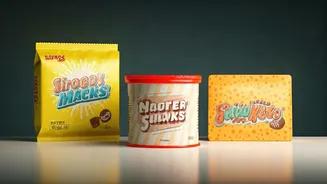
The execution of this trend is where things get creative. In the culinary world, it’s a playful challenge. Chefs at Michelin-starred restaurants might present a deconstructed s'more as a complex dessert, complete with torched-to-order artisanal marshmallow and single-origin chocolate. On a more accessible level, independent food brands are carving out a niche. Think of OffLimits, a cereal brand with bold, cartoonish packaging and flavors like “Zombie Pandan,” designed to appeal to adults who miss fun cereal but now care about ingredients. Or consider the phenomenon of “dirty soda” shops, where classic sodas like Coke and Dr. Pepper are customized with coffee creamers, fruit purees, and flavored syrups—a Mormon-pioneered treat that has gone viral nationwide as a permissible, customizable indulgence. Even savory items are getting the treatment, with gourmet hot pockets and elevated versions of the humble fish stick appearing on menus.
Cashing In on Memory Lane
Naturally, big business has taken notice. This isn't just a grassroots movement of sentimental foodies. It's a calculated marketing strategy. General Mills successfully brought back Dunkaroos after a massive social media campaign by fans. Hostess, the maker of Twinkies and Ding Dongs, has collaborated with other brands to create everything from protein powders to coffee creamers bearing their iconic flavors. Tapping into nostalgia is a powerful shortcut to an emotional connection with consumers. It bypasses the need to build brand trust from scratch. By selling us a memory, companies are selling a guaranteed feeling. The 'stylish' part is crucial here; it allows them to charge a premium for the upgraded experience, turning a 50-cent snack from our youth into a $7 artisanal indulgence.