


The Daily Battle with the T-Zone
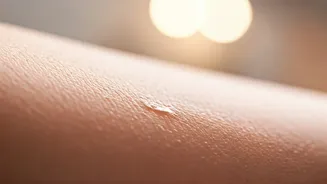
For anyone with combination or oily skin, the T-zone (forehead, nose, and chin) is ground zero for excess sebum production. This natural oil is essential for healthy skin, but too much of it can create an unwanted glossy finish, cause makeup to break
down, and make pores appear larger. Historically, the go-to solution involved harsh, alcohol-laden products that stripped the skin, sometimes leading to a rebound effect where the skin produces even more oil to compensate for the dryness. This cycle left many users frustrated, seeking a product that could control shine without causing irritation or dehydration.
Enter the Viral, Alcohol-Free Mattifier
Social media platforms like TikTok have become launchpads for game-changing beauty products, and a new category of mattifying primers is having its moment in the spotlight. Unlike their predecessors, these modern formulas are often alcohol-free, water-based, and packed with skin-friendly ingredients. Products like the much-hyped Milk Makeup Pore Eclipse Mattifying Primer have gone viral for a reason: they deliver on the promise of a soft-focus, matte finish that lasts for hours. Users post split-screen videos showing one side of their face with the primer and one without, and the difference is often dramatic—texture is smoothed, shine is gone, and makeup glides on top for a flawless, locked-in look.
The Science Behind the Smoothing
So, what’s the magic? It’s not magic, but smart formulation. The hero ingredients in these primers work together to tackle oil from multiple angles. First, you have silicones like dimethicone, which create an incredibly smooth, velvety canvas by filling in fine lines and blurring the look of pores. They form a breathable barrier between your skin and your makeup. Next are the oil-absorbers. Instead of stripping alcohol, these primers use gentle alternatives like lentil extract or kaolin clay to soak up excess sebum throughout the day. Finally, many include skincare powerhouses like niacinamide, a form of vitamin B3 celebrated for its ability to help regulate oil production and improve the appearance of pore size over time. The alcohol-free component is key, ensuring the product controls oil without compromising the skin's moisture barrier.
Is This Type of Primer Right for You?
While these primers are a holy grail for some, they aren’t a universal solution. They perform best on oily and combination skin types who are primarily concerned with shine control and makeup longevity. If your main challenge is getting foundation to stay put on a slick T-zone, this is likely an excellent investment. However, if you have dry or dehydrated skin, a heavy-duty mattifying primer might be too much. It could cling to dry patches and make your skin feel tight or uncomfortable. For those with drier complexions, a hydrating or illuminating primer would be a better choice to create a dewy, healthy-looking base.
How to Get the Best Results
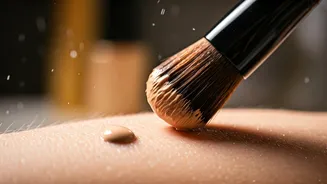
Application technique matters. For best results, start with a clean, moisturized face—let your moisturizer fully absorb before going in with primer. Squeeze a pea-sized amount onto your fingertips or the back of your hand. Instead of rubbing it all over, press and pat the primer specifically onto the areas where you get oiliest, like the center of your forehead, down your nose, and on your chin. This targeted application ensures you control shine where you need it without dulling the parts of your face where you might want a natural glow. Let the primer set for about a minute before applying foundation. This allows it to form its smoothing, oil-absorbing film, creating the perfect long-wear canvas.