






The End of the Logo-Mania Era
For decades, the American flex was unmistakable because it was loud. It was the Fendi baguette bag under the arm of a 'Sex and the City' character, the oversized Cadillac Escalade in a music video, or the influencer unboxing a mountain of PR packages.
Conspicuous consumption—the act of buying luxury goods to publicly display economic power—was the undisputed language of success. If you had it, you flaunted it. The louder the logo and the higher the price tag, the clearer the message. This performance of wealth was powered by a relatively stable economic outlook and a media landscape that glorified excess. From MTV's 'Cribs' to the rise of the Instagram haul, culture taught us that aspiration meant accumulation. The goal wasn't just to be wealthy; it was to *look* wealthy, often through debt-fueled purchases that projected an image of effortless affluence.
A Reality Check Called 'The Economy'
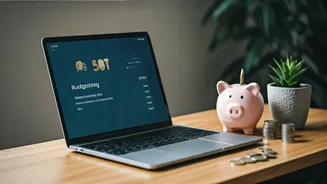
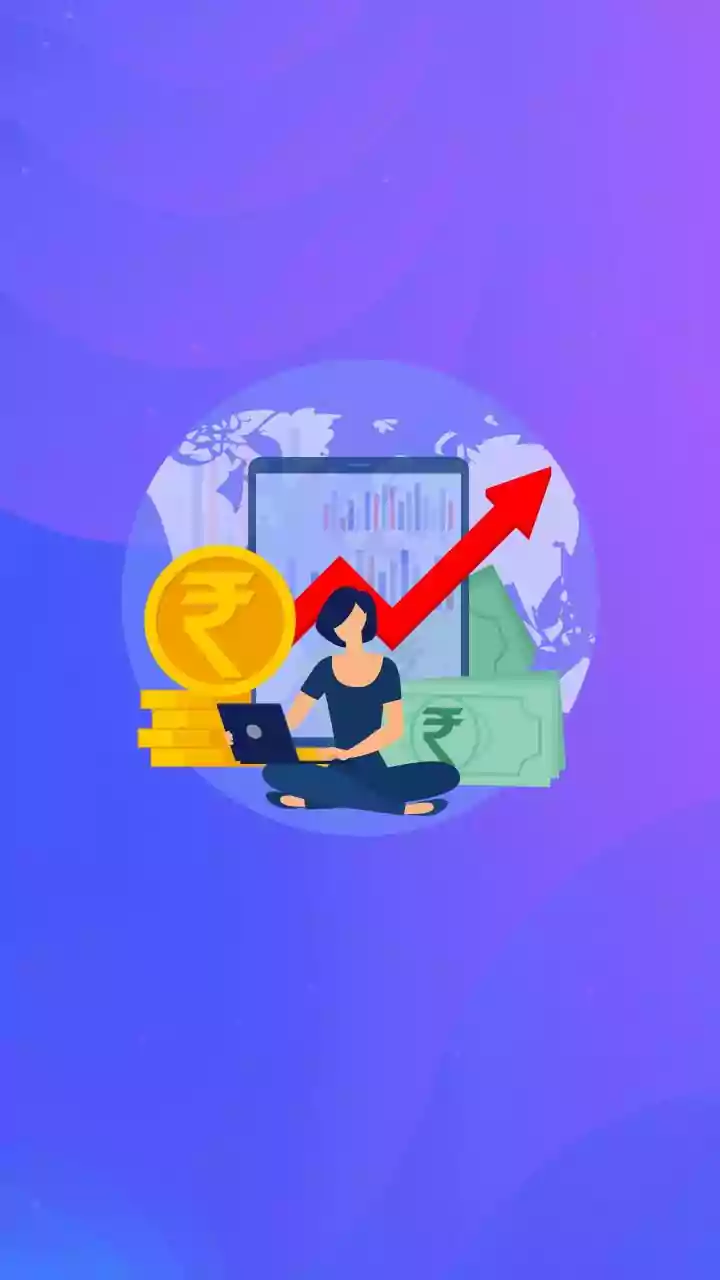
Then, reality came knocking. For Millennials and Gen Z, the economic runway is significantly shorter and more treacherous than it was for previous generations. Saddled with historic student loan debt, facing an intimidating housing market, and squeezed by years of wage stagnation and inflation, the math just doesn't work for performative spending. For many, a $2,000 designer handbag doesn't represent a status symbol; it represents six months of a student loan payment or a down payment on a car that’s actually needed. This economic pressure has fundamentally rewired the concept of aspiration. Instead of flexing a purchase, the new brag is about financial stability. It’s the friend who casually mentions they’ve maxed out their 401(k) contribution, the couple who proudly saved enough for a down payment by living frugally, or the TikTok creator whose viral video is a detailed budget spreadsheet. Being in control of your finances is now more impressive than being controlled by a desire for things.
The Rise of 'Deinfluencing' and Quiet Luxury
Social media, once the engine of hyper-consumption, has become the primary stage for its critique. The 'deinfluencing' trend saw creators using their platforms not to push products, but to talk followers *out* of buying them. They critique overhyped, overpriced items and encourage viewers to use what they already own or find more durable, affordable alternatives. It’s a rebellion against the mindless consumerism that defined the 2010s. This shift dovetails perfectly with the aesthetic of 'quiet luxury' or 'stealth wealth.' The new flex isn’t a giant Gucci logo; it’s a perfectly tailored, unbranded cashmere sweater that only those 'in the know' would recognize. It’s about signaling taste, quality, and intelligence rather than a price tag. The flex is in the knowledge—knowing which brands have ethical supply chains, which fabrics last, and what pieces are truly timeless. It’s a password-protected form of status, accessible only to those who have done the research.
The Real Flex Is Intentionality
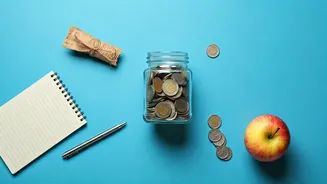
Ultimately, spending less randomly is about showcasing a different set of values: discipline, foresight, and mindfulness. In a world of one-click purchases and targeted ads designed to trigger impulsive behavior, resisting is a feat of strength. Choosing not to buy something is an active decision. Curating a life based on experiences over possessions, or saving for a long-term goal instead of chasing short-term gratification, has become the ultimate power move. This isn't about shaming spending. It’s about a cultural pivot toward intentionality. The new flex is the carefully researched vacation booked with saved-up cash, the thrifted piece of furniture restored by hand, or simply the peace of mind that comes from a healthy emergency fund. It’s a quiet confidence that radiates self-sufficiency, not a loud declaration of purchasing power.