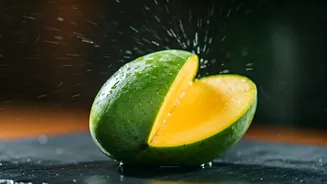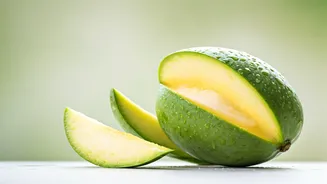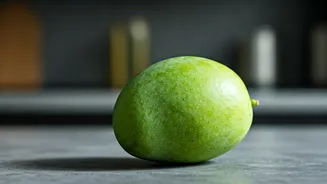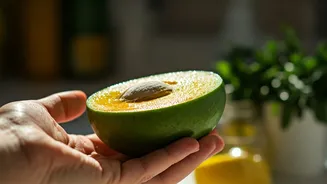



So, What Exactly Is Kairi?
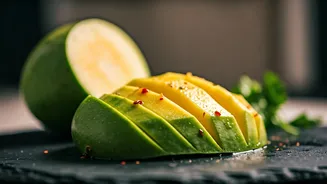
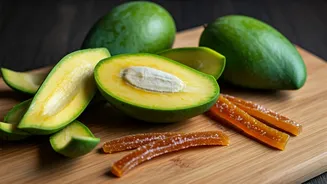
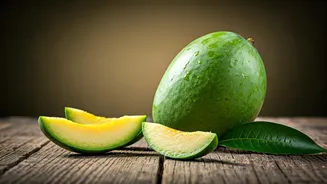
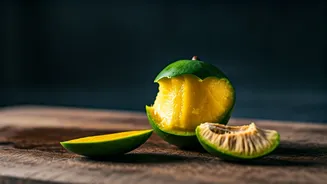
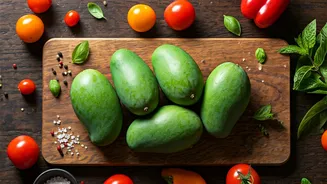
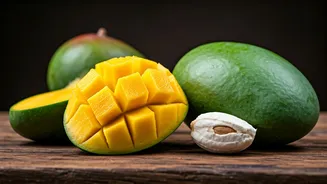
When Americans think of mango, they picture a sweet, juicy, sunset-colored fruit. Kairi is its alter ego. The Hindi word for raw, unripe mango, kairi is harvested when the fruit is still hard, green, and fiercely sour. Instead of the soft, sugary flesh
of its ripe counterpart, kairi offers a crisp texture and a clean, sharp tartness that’s more akin to a granny smith apple or a lime, but with a distinctly tropical, resinous undertone. It’s not a fruit you’d peel and eat on its own for dessert; it’s a culinary ingredient, prized for the vibrant acidity and complexity it brings to a dish. In Southeast Asia and India, where it’s a staple, the arrival of kairi season is celebrated as the official start of summer cooking.
A Traditional Flavor Powerhouse
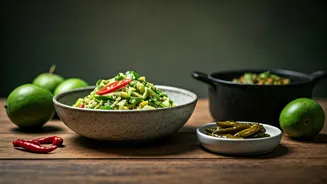
For centuries, kairi has been the backbone of tangy flavors in Indian cuisine. Its most famous application is in pickles (achaar), where its firm flesh holds up beautifully to spices and oil, creating a condiment that lasts for months. But its use goes far beyond that. It’s grated into cooling salads, blended into refreshing summer drinks like aam panna, and simmered with lentils to make 'tok dal,' a sour lentil soup that cuts through the humidity of a hot day. In southern India and parts of Southeast Asia, you’ll find it adding a sour kick to fish curries, balancing the richness of coconut milk and the heat of chilies. This history isn’t just trivia; it’s a masterclass in how to use acidity to brighten, preserve, and balance flavors—a technique modern chefs are now enthusiastically embracing.
The New Acid on the Block
The American palate has become increasingly sophisticated. We’ve moved past a simple love of sweet and salty and are now actively seeking out bitter (hello, kale and IPAs) and, most importantly, sour. This is where kairi is finding its new audience. Chefs are looking for acidity that goes beyond the one-note sharpness of citrus or vinegar. Kairi delivers. Its complex flavor profile adds a fruity, almost floral tang that can elevate a dish in unexpected ways. Imagine a crudo of fresh snapper, not with lime, but with a fine julienne of kairi providing a crisp, sour crunch. Or a rich, fatty pork belly marinade, where kairi puree cuts through the fat and tenderizes the meat. It’s being used to create vibrant salsas for tacos, tangy dressings for grain bowls, and even as a souring agent in craft cocktails, giving a unique twist to a classic gin sour or margarita.
Bringing the Tang Home
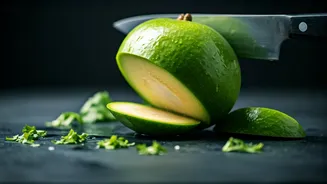
The best part is that you don’t need a culinary degree to use kairi. Your first stop should be a local Indian or Asian grocery store, especially in the spring and summer months. Look for firm, unblemished green mangoes that are heavy for their size. To use it, simply wash, peel the tough green skin with a vegetable peeler, and work around the hard inner seed. The easiest way to incorporate it is to grate it. Add a handful of grated kairi to your next coleslaw for a surprising zing, or mix it with red onion, cilantro, chili, and a pinch of salt for a quick, powerful relish for grilled fish or chicken. You can also slice it thin and toss it into stir-fries right at the end of cooking or blend the flesh with ginger, mint, and a little sugar to create a syrup for homemade sodas or cocktails. Think of it as a substitute for lime, but with more texture and a more interesting backstory.