






What Happened to the War on Fat?
For decades, a simple, powerful message dominated American dietary advice: fat is the enemy. This idea, which gained serious momentum in the latter half of the 20th century, led to an explosion of low-fat and fat-free products flooding supermarket shelves.
The thinking was straightforward: since fat is more calorie-dense than carbs or protein, eating less of it should help with weight management and heart disease. But there was a major flaw in this logic. When food manufacturers removed fat, they often replaced it with sugar, refined carbohydrates, and other additives to make the food palatable. The result? We cut back on fat, but as a nation, we didn't get healthier. In fact, rates of obesity and type 2 diabetes continued to climb. This paradox forced scientists to take a harder look at their assumptions, leading to a profound re-evaluation of fat’s role in our bodies.
Not All Fats Are Created Equal
The biggest shift in our understanding is the realization that the *type* of fat you eat is far more important than the total amount. The old-school approach lumped them all together, but modern science paints a much more nuanced picture. The true villains are industrial-made trans fats, found in some processed foods and hydrogenated oils, which are strongly linked to heart disease and inflammation. These are the fats to avoid entirely. On the other end of the spectrum are the “good” fats: monounsaturated and polyunsaturated fats. These are essential for brain health, cell function, and can actually help lower bad cholesterol levels and reduce the risk of heart disease. They are a critical part of a healthy diet, not something to be feared.
Meet the Good Fat All-Stars
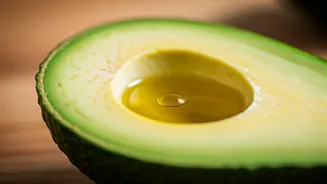
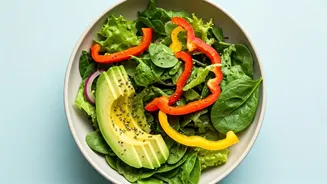
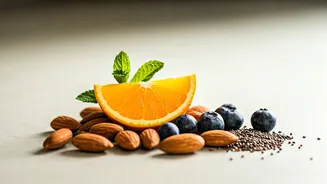
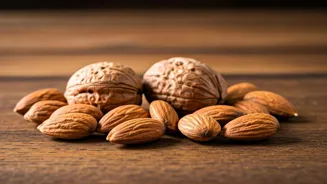
So where do you find these beneficial fats? They’re abundant in whole, natural foods. Think of creamy avocados, rich in monounsaturated fats that are great for your heart. Extra-virgin olive oil, a cornerstone of the famously healthy Mediterranean diet, is another powerhouse. Nuts and seeds—like almonds, walnuts, and chia seeds—are packed with a mix of healthy fats, fiber, and protein, making them a perfect snack. And don't forget fatty fish like salmon, mackerel, and sardines. They are the best dietary source of omega-3 fatty acids, a type of polyunsaturated fat that plays a crucial role in reducing inflammation and supporting brain function. Integrating these foods into your meals is the practical, delicious way to embrace the new science of fat.
What About Saturated Fat?
This is where the conversation gets even more interesting. Saturated fat—found in foods like butter, cheese, red meat, and coconut oil—was long considered Public Enemy No. 2, right after trans fats. While the American Heart Association still recommends limiting intake, many researchers now believe its role in disease has been overstated. The new thinking suggests that the context matters. Saturated fat from a highly processed fast-food burger has a different effect on your body than the fat found in a small serving of grass-fed cheese or a dollop of full-fat Greek yogurt. The consensus isn't to eat butter by the stick, but rather that small amounts of saturated fat from whole-food sources are likely not the dietary demon they were once made out to be, especially when the rest of your diet is rich in plants and unprocessed foods.