


More Than Just a Spice Market
When Americans think of Indian food, the images are often of vibrant street stalls or aromatic, slow-simmered curries. But in massive, bustling convention centers in cities like Delhi and Mumbai, a different kind of food story is unfolding. Events like AAHAR,
Indus Food, and SIAL India have evolved from simple trade shows into dynamic laboratories for culinary innovation. They are where a nation of 1.4 billion people—with a rapidly growing middle class and an increasingly global palate—is deciding what’s for dinner. Forget the sterile atmosphere of a typical business conference. These events are a sensory overload, a dizzying blend of commerce, culture, and cooking. Here, a startup founder in a sharp suit offers you a bite of a plant-based kebab next to a farmer cooperative showcasing twenty varieties of heritage rice. It’s a microcosm of modern India itself: deeply rooted in tradition but sprinting toward the future.
The Plant-Based Revolution, Indian Style
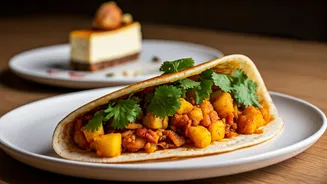
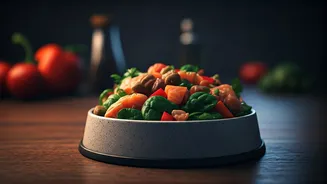
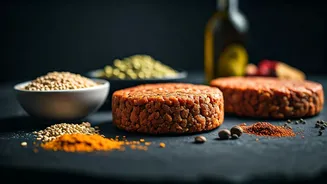
While the U.S. market has been saturated with Impossible and Beyond burgers, India’s plant-based movement is taking a uniquely local approach. With a huge existing vegetarian population, the challenge isn’t convincing people to eat less meat; it’s about offering new, convenient, and exciting options. At these food events, the innovation is staggering. You’ll find jackfruit—a traditional vegetable—reimagined as savory pulled pork for tacos. Mock-chicken and mock-mutton, crafted from soy and pea protein, are spiced with regional masalas, ready to be dropped into a biryani or a korma. Companies like Blue Tribe and Shaka Harry are not just creating meat substitutes; they are re-engineering classic Indian dishes for a new generation that demands both authenticity and ethical, sustainable choices. The samples aren't just for tasting; they're a statement that vegetarianism can be both traditional and cutting-edge.
Millets: An Ancient Grain's Modern Moment
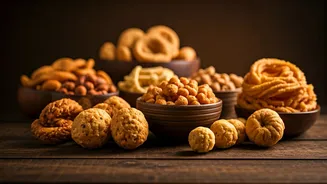
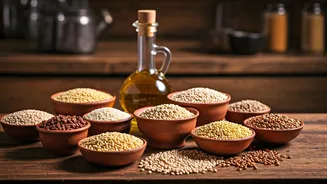
One of the biggest stories on the Indian food scene is the remarkable comeback of millets. These ancient, drought-resistant grains like sorghum (jowar), pearl millet (bajra), and finger millet (ragi) were once staples before being overshadowed by wheat and rice. Now, thanks to a major government push and a growing global interest in gluten-free, nutrient-dense superfoods, millets are everywhere. Walk the aisles of a food expo, and you’ll be offered millet-based pasta, millet crackers, millet cookies, and even millet-based breakfast cereals. These aren't the bland, heavy health foods of the past. Chefs and food technologists are finding creative ways to make these grains delicious and accessible, turning them into light, fluffy pancakes or crispy, savory snacks. For a U.S. audience accustomed to quinoa and farro, the rise of millets represents the next frontier in the world of ancient grains.
Convenience Without Compromise
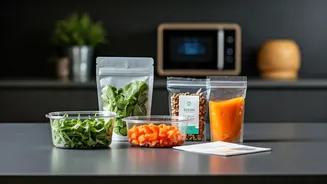
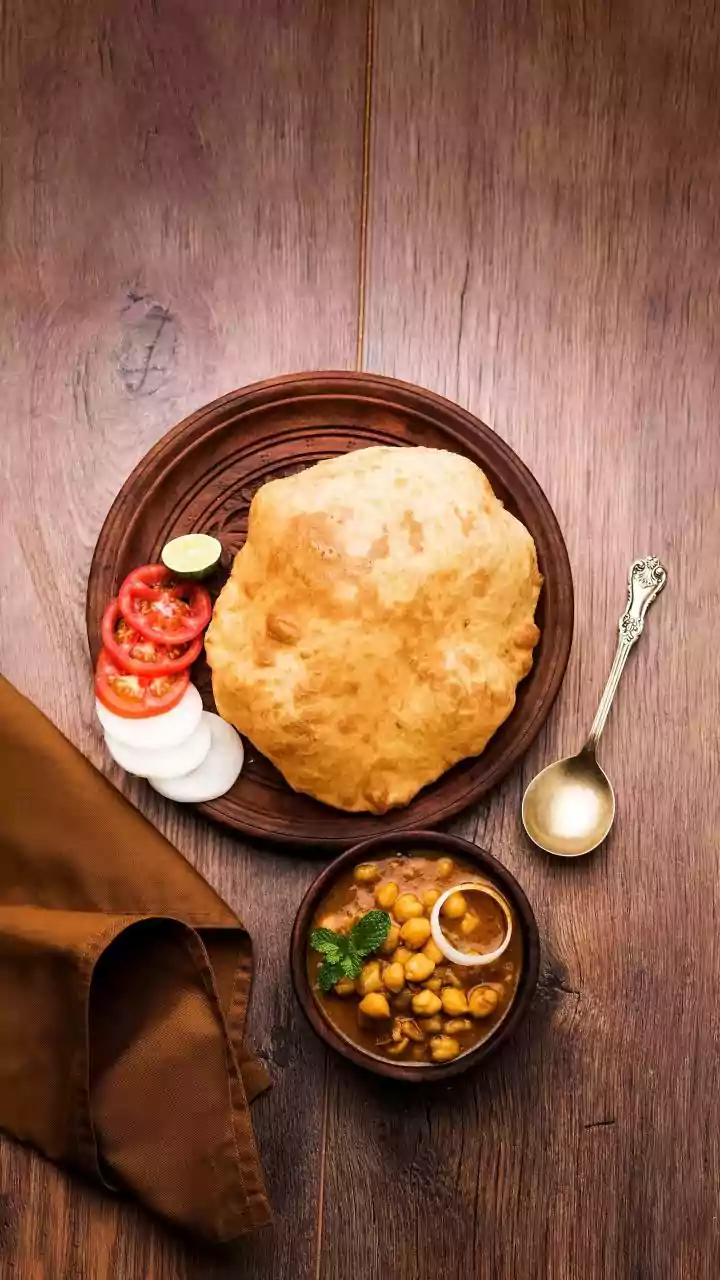
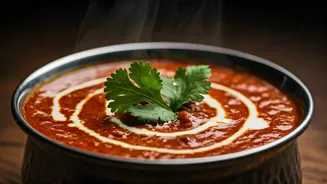
The complex, multi-step process of cooking traditional Indian food is a point of pride, but in today's fast-paced world, it's also a barrier. The most significant commercial trend on display is the explosion in high-quality, ready-to-eat and ready-to-cook products. This isn't about bland, preservative-laden TV dinners. Instead, brands are using technologies like freeze-drying and advanced retort packaging to offer authentic flavors with minimal effort. You can find jars of rich, slow-cooked dal makhani that taste simmered for hours, spice packets that perfectly replicate a restaurant-quality butter chicken, and frozen parathas that puff up on a hot pan just like homemade. These products are aimed at a domestic market of busy urban professionals, but they also serve as a perfect export for the Indian diaspora and a gentle introduction for curious American consumers looking to explore Indian cuisine without committing to a pantry full of new spices.