


The Delicious Dilemma
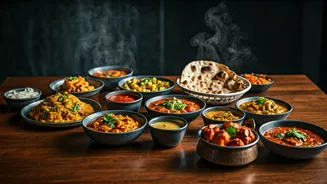
Let’s be honest: The Indian food many Americans know and love is unapologetically rich. We’re talking about velvety dal makhani slow-cooked with butter and cream, pillowy naan brushed with ghee, and crispy, deep-fried samosas. These dishes, often rooted
in celebratory North Indian or Mughlai traditions, are designed for maximum flavor and comfort. For decades, they’ve been the stars of restaurant menus and family gatherings, synonymous with warmth, generosity, and home. But that richness comes at a cost. As a generation raised on this incredible food becomes more health-conscious, a delicious dilemma has emerged. The daily diet of our parents or grandparents, often based on regional, vegetable-forward meals, has sometimes been replaced by a more Westernized, restaurant-style rotation. The result? A growing feeling that the food you love might not love you back every day. It’s the classic tension between heritage and health, a culinary identity crisis playing out in kitchens across the country.
The Modern Makeover
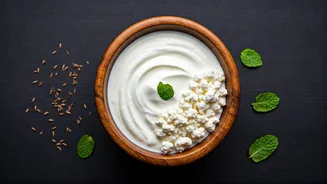
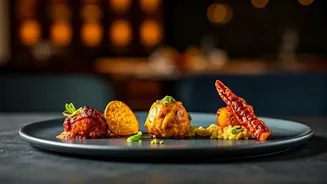
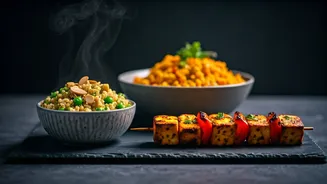
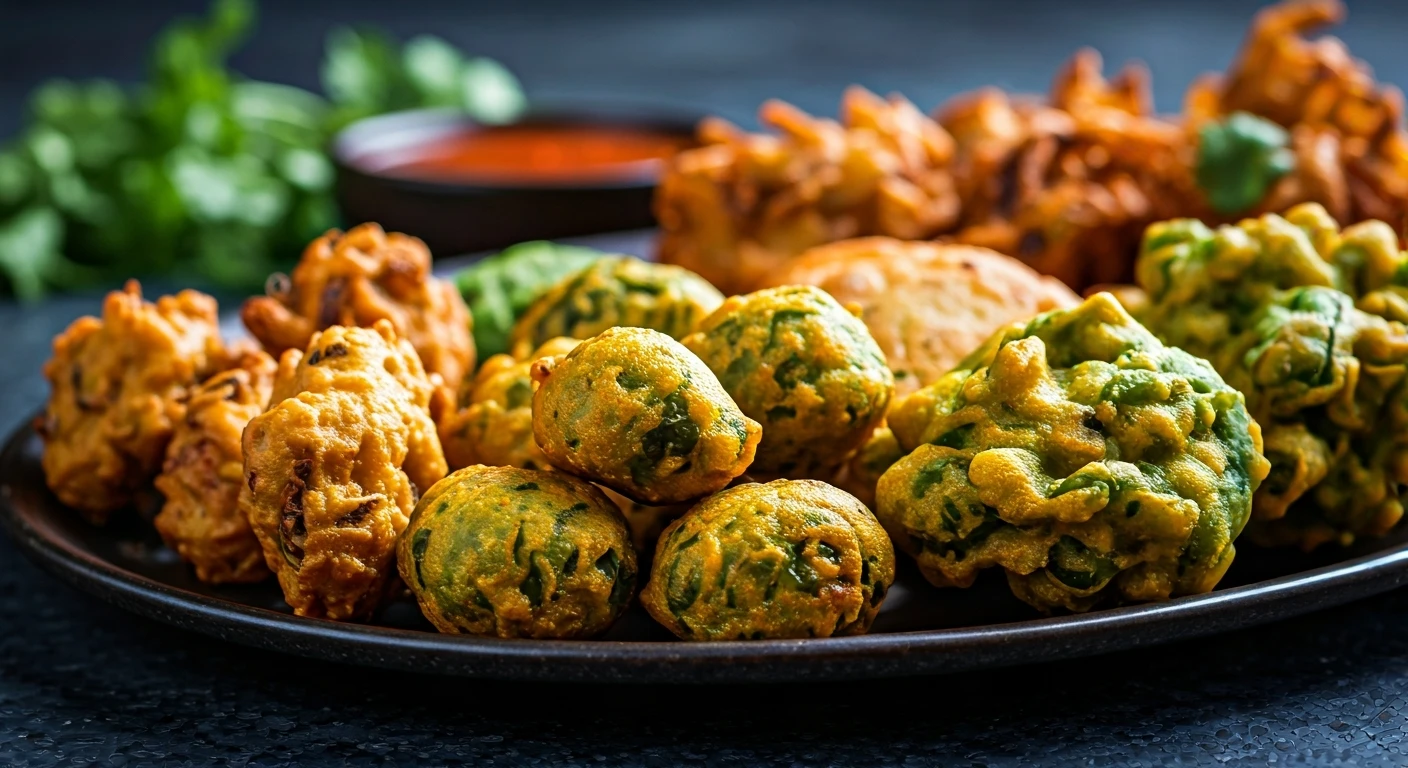
The solution isn’t to abandon tradition but to innovate it. A new wave of home cooks, bloggers, and chefs are hacking the classics to cut down on fat and refined ingredients while dialing up the nutrition. The air fryer has become a revolutionary tool, turning out crispy samosas and pakoras with a fraction of the oil. Heavy cream in curries like chicken tikka masala is being swapped for creamy, protein-packed Greek yogurt or blended cashews, which provide richness without the saturated fat. Elsewhere, the swaps are just as clever. Refined white sugar in beloved desserts like kheer (rice pudding) or gajar ka halwa (carrot pudding) is being replaced with mineral-rich jaggery, date paste, or monk fruit. Instead of slathering everything in ghee, cooks are using it more strategically for its nutty flavor, relying on heart-healthy avocado or olive oil for everyday cooking. These aren’t sacrifices; they’re upgrades. It’s about keeping the soul of the dish intact while making it fit a modern, health-forward lifestyle.
Back to an Even Deeper Truth
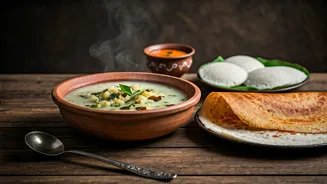
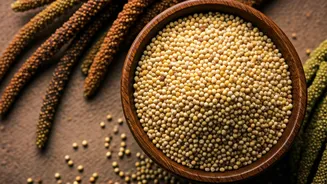
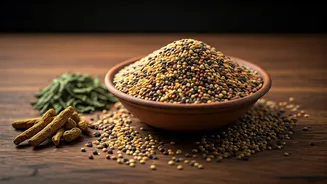
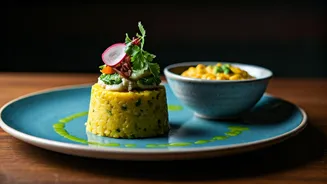
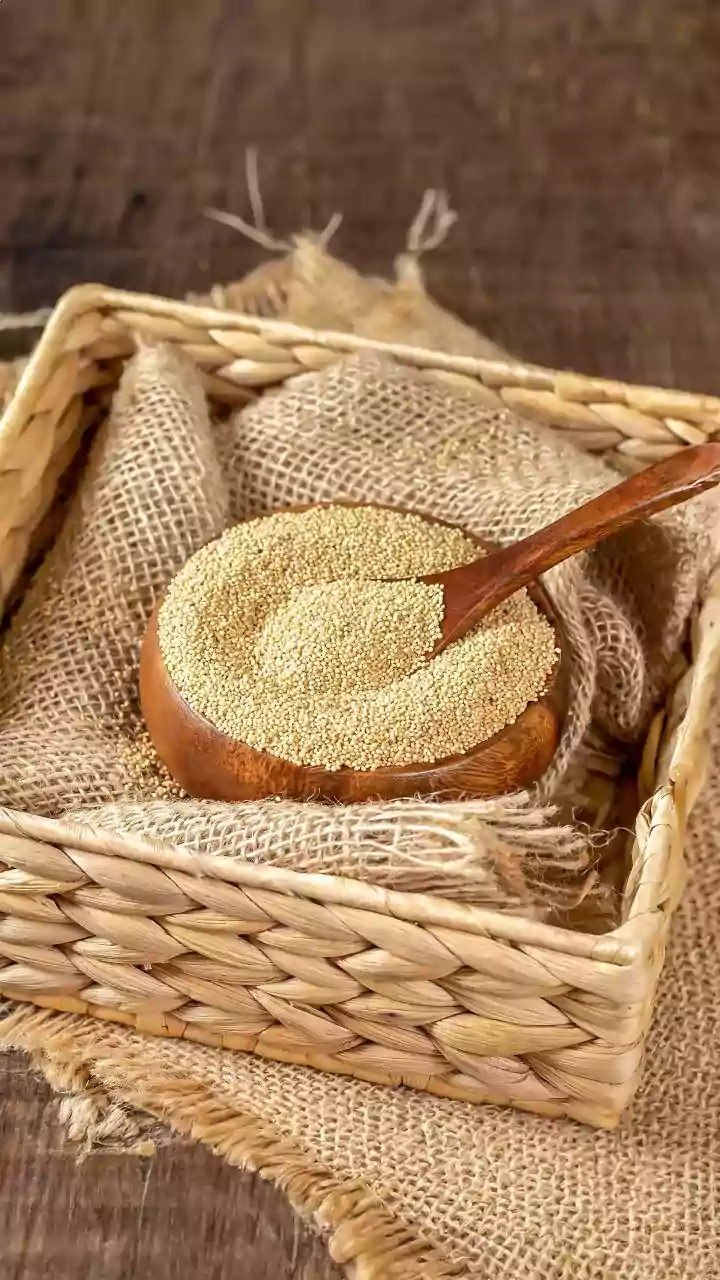
But this movement is more than just clever swaps. It’s also about rediscovering the inherent healthiness that has always existed within the vast spectrum of Indian cuisine. For every creamy korma, there are dozens of lighter, regional dishes that never made it to mainstream U.S. menus. Think of the lentil-and-vegetable stews (sambars), the steamed yogurt-based curries from Gujarat (kadhi), or the simple stir-fried vegetables (poriyals) of the South. A huge part of this rediscovery is the return of ancient grains. While basmati rice and wheat-based naan dominate the popular imagination, India has a deep history with powerhouse grains like millet (bajra), sorghum (jowar), and amaranth. These naturally gluten-free, high-fiber grains are now being embraced by a new generation. Millets are used to make everything from fluffy rotis and porridge to risotto-style dishes, providing a nutrient-dense alternative to refined carbs. This isn’t about “Westernizing” Indian food; it’s about decolonizing the plate and celebrating the original, farm-to-table principles of the subcontinent.
From Kitchens to Startups
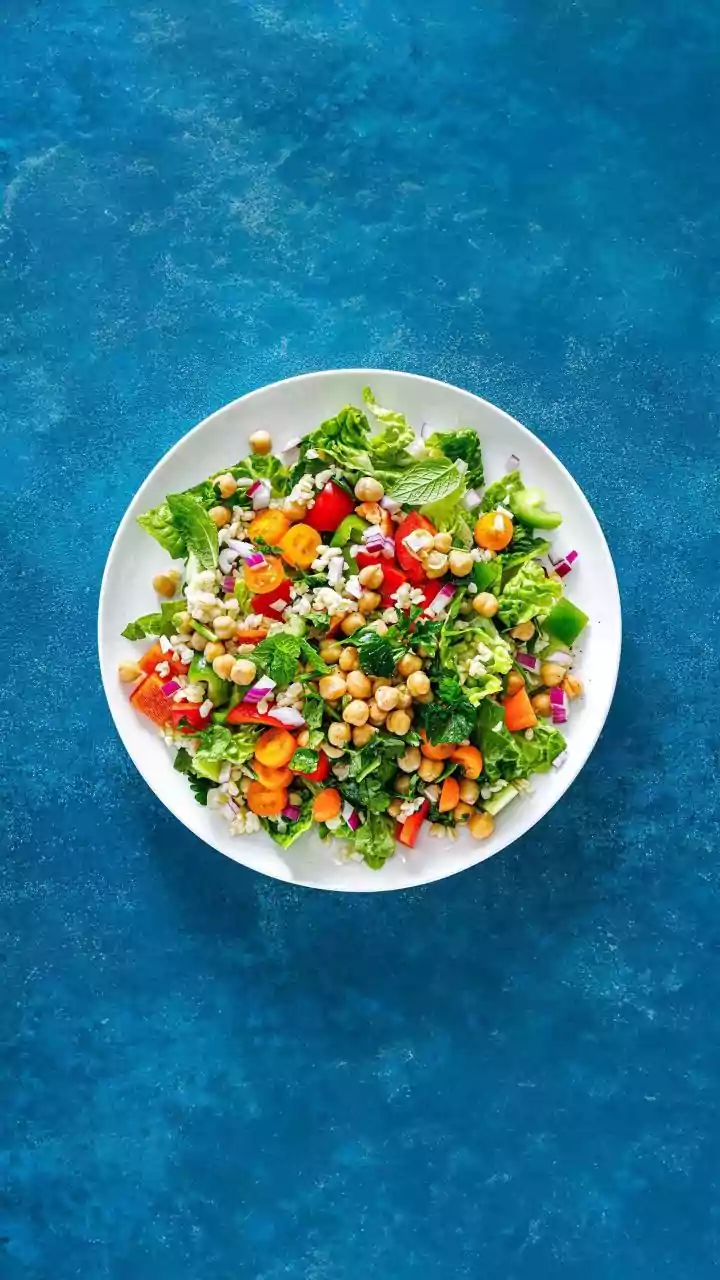
This demand for healthier options has created a booming market. Social media is filled with Indian American creators sharing recipes for “skinny” butter chicken or quinoa biryani. They’re building communities around the idea that you don’t have to choose between your culture and your well-being. This digital movement has paved the way for a new generation of food brands. Walk down the aisle of a well-stocked grocery store and you’ll find the evidence. Companies are selling avocado oil-based ghee, lentil-based chips that evoke classic street-food flavors, and ready-to-make dosa and idli batters made with millets and brown rice. These products are catering directly to a consumer who wants the convenience and flavor of their childhood favorites, but with a clean ingredient list that aligns with today’s wellness values. It’s proof that healthy Indian food isn’t just a niche trend—it’s a legitimate, and growing, business.