


The Old Grind vs. The New Vibe
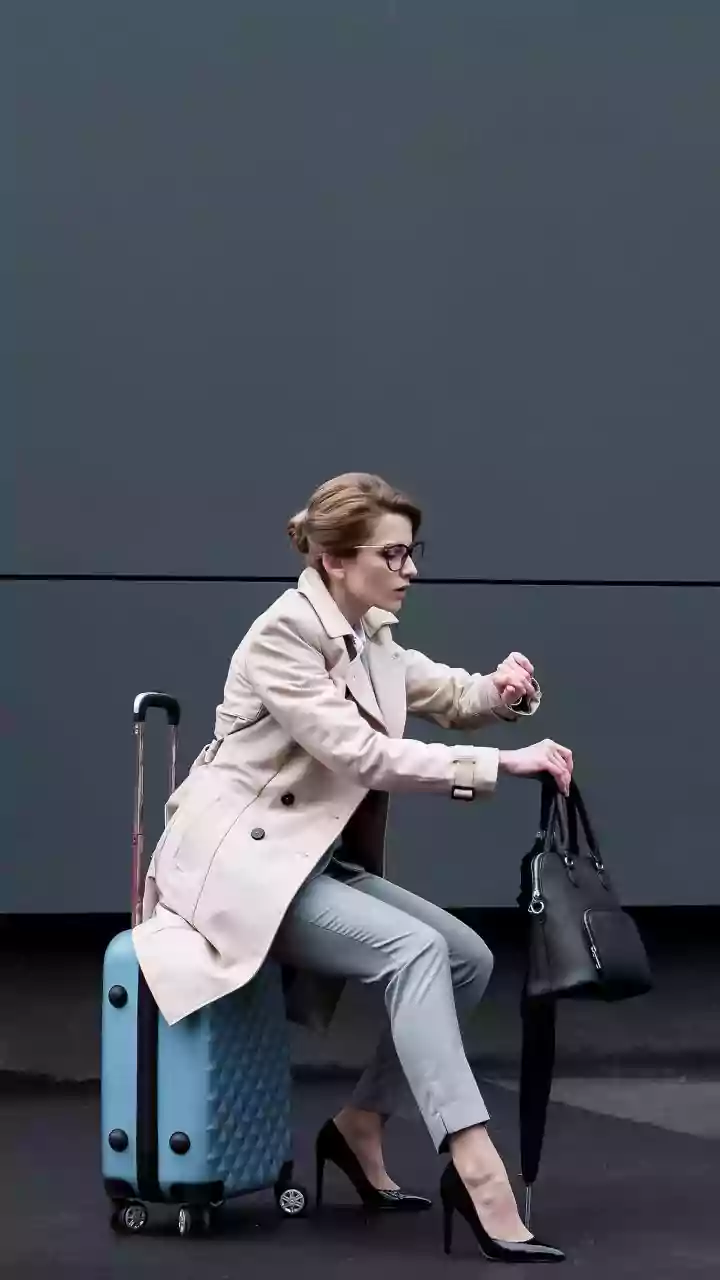
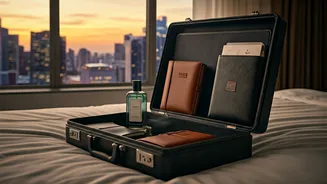
For decades, the extended business trip was a necessary evil. It meant weeks or even months in a sterile hotel room, living out of a suitcase and battling the isolation that comes from a transient lifestyle. It was a recipe for burnout, a professional
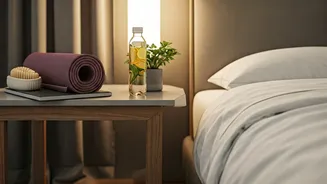
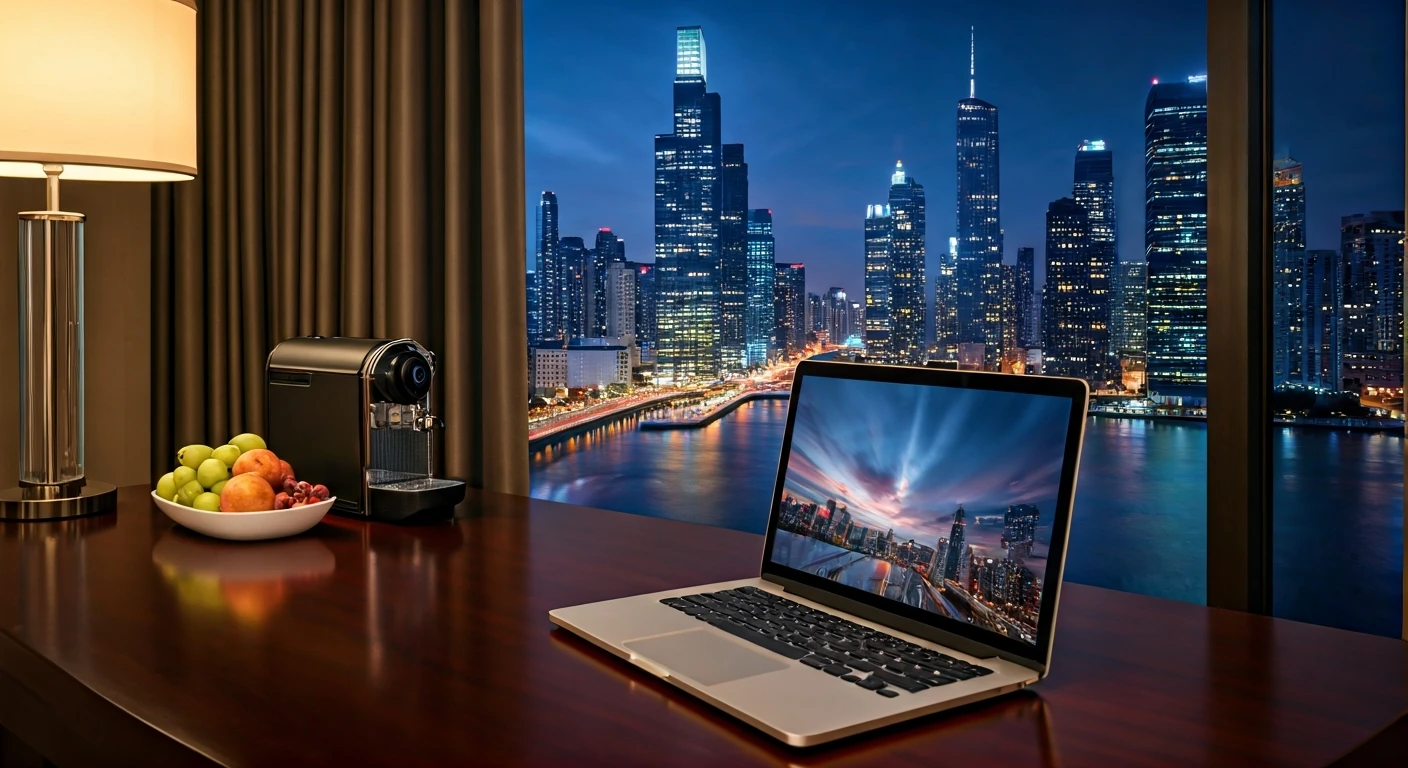
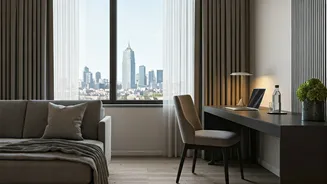
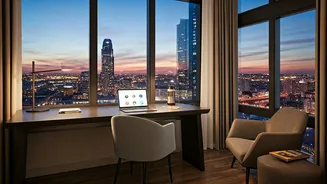
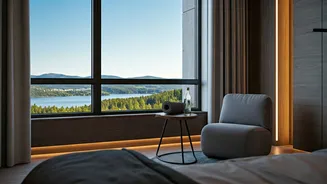
sacrifice that often took a personal toll. The goal was to endure, not enjoy. The amenities were functional at best: a mini-fridge, a questionable coffee maker, and a desk crammed into a corner. Today, that picture is being completely repainted. The “glow-up” isn’t just about nicer sheets or faster Wi-Fi. It’s a fundamental rethinking of what it means to work away from home for a long period. The new model swaps the cramped hotel room for a fully furnished apartment, the lonely room service for a kitchen to cook in, and the sterile environment for a space that feels more like a home base and less like a holding pen.
Why the Shift Is Happening Now
This transformation isn't happening in a vacuum. It’s the direct result of the massive shifts in work culture accelerated by the pandemic. The universal adoption of remote and hybrid work models broke the spell of the mandatory 9-to-5 office presence. If an employee can work effectively from their living room, they can also work effectively from a temporary one in another city. This has led to the mainstreaming of “bleisure”—the blending of business and leisure. Companies are realizing that for long-term assignments, employee well-being is paramount. A happy, settled employee is a productive one. Rather than flying a consultant back and forth every week (a costly and exhausting affair), it’s often more efficient and humane to set them up comfortably in the destination city for a month or two. This allows them to build a routine, explore their surroundings on the weekend, and even have family visit, turning a grueling assignment into a unique life experience.
The Rise of the Aparthotel
The hospitality industry has responded with a boom in accommodation designed specifically for this new traveler. Enter the serviced apartment and the “aparthotel.” These are not your standard extended-stay properties of the past. Companies like Sonder, Blueground, and Kasa, as well as dedicated brands from major players like Hyatt and Marriott, are offering stylish, tech-enabled apartments in prime urban locations. These spaces offer the best of both worlds: the service and reliability of a hotel (professional cleaning, 24/7 support) combined with the comforts of home. A typical unit includes a full kitchen, a living area distinct from the bedroom, a washer and dryer, and amenities that support a real lifestyle, not just a temporary stay. It’s the difference between merely existing in a city and actually living there.
A Smarter Strategy for Companies
While employee wellness is a major driver, the C-suite has its own reasons to embrace the glow-up. For one, it’s a powerful tool for talent retention and attraction. In a competitive job market, offering flexible and comfortable travel arrangements can be a significant differentiator. An appealing long-stay assignment can feel like a perk, not a punishment. Furthermore, the economics can be surprisingly favorable. Consolidating travel into one longer, more comfortable stay can reduce the total number of flights and hotel nights over the course of a project. It also reduces “travel friction”—the lost productivity and fatigue associated with constant transit. An employee who feels settled and rested is better equipped to tackle complex challenges, making the investment in better lodging a direct investment in the project's success.