
Luchi and Ghugni: The Festival Staple
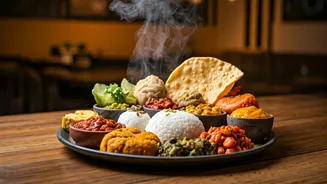
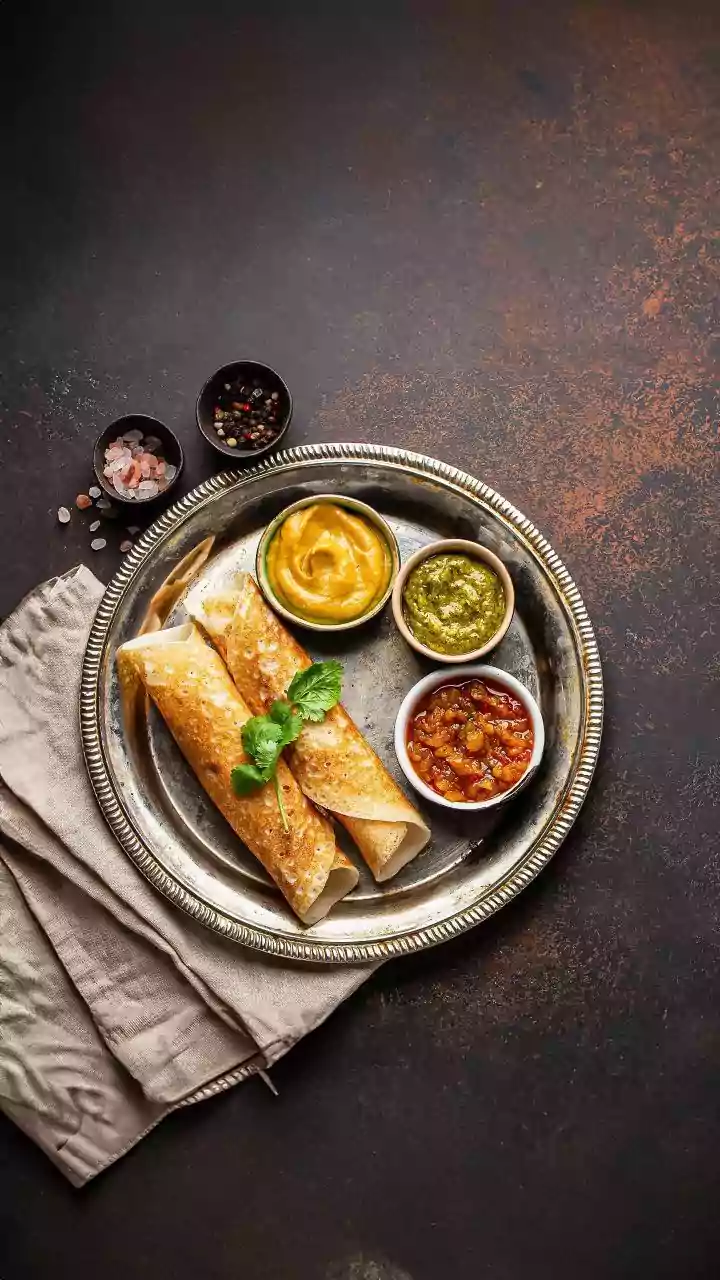
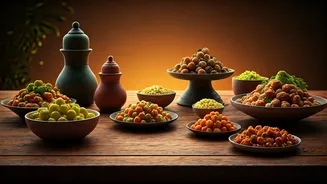
Imagine a perfect Sunday brunch, but with an Indian twist. That’s the magic of *luchi* and *ghugni*. Luchis are delicate, puffy, deep-fried breads made from refined flour, similar to a Northern Indian *puri* but often smaller and lighter. They serve as
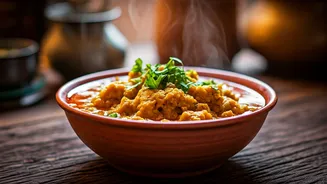
the perfect vessel for ghugni, a hearty and flavorful curry made from yellow or black chickpeas. The ghugni is slow-cooked with ginger, garlic, and a blend of spices that’s more aromatic than fiery hot, often garnished with fresh cilantro and chopped onions. At the Mela, you'll find vendors serving this combo steaming hot on leaf plates. It’s the kind of satisfying, carbo-loading meal that fuels pilgrims and visitors for a long day of walking and prayer.
Aloo Pitika: Assam’s Soulful Mashed Potato
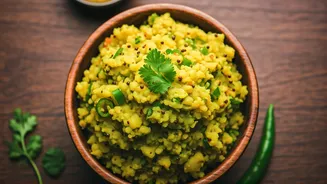
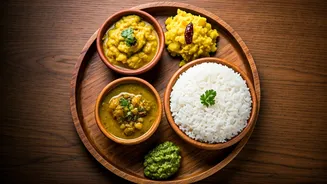
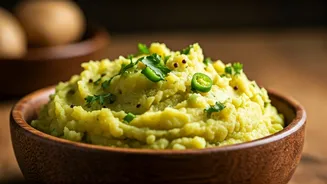
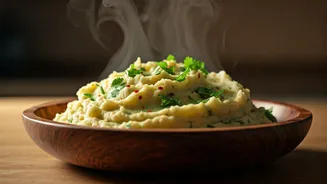
Forget everything you know about mashed potatoes. *Aloo Pitika* is the Assamese comfort food that will ruin all others for you. At its core, it’s mashed potato, but the flavor profile is a world away from butter and cream. The boiled potatoes are mashed by hand with pungent raw mustard oil, finely chopped onions, green chilies, and fresh cilantro. The mustard oil provides a sharp, wasabi-like kick that cuts through the starchiness of the potato, creating a dish that is simultaneously simple and complex. It's often served as a side dish with rice and dal (lentil soup), but during the Mela, you might find it served on its own as a hearty, flavorful snack. It’s a testament to how a few simple, fresh ingredients can create something truly unforgettable.
Khar Anja: The Unique Alkaline Curry
This is a dish that truly defines Assamese cuisine. *Khar* is not just an ingredient but a culinary concept. It's an alkaline liquid prepared by filtering water through the ashes of a dried banana peel, which gives the resulting dish a distinct, earthy, and subtly savory flavor unlike anything else. A *Khar Anja* is a curry made with this liquid, typically featuring raw papaya, gourds, or other vegetables. During the Mela, you'll find simple vegetarian versions that are believed to be cleansing for the digestive system. The texture is soupy, and the taste is mild and restorative. It’s less of a spicy explosion and more of a gentle, nourishing hug in a bowl—a perfect, grounding meal amid the festival's intensity.
Labra: The Pious Mixed Vegetable Stew
If you've ever been to a large community feast in India, you've likely encountered a version of this dish. *Labra* is a semi-dry, mixed vegetable curry that holds a special place in religious festivals. It’s a harmonious jumble of seasonal vegetables like pumpkin, potatoes, eggplant, radish, and beans, all cooked together until tender. The key is the *panch phoron*—a Bengali five-spice blend of cumin, fennel, mustard, nigella, and fenugreek seeds—that’s tempered in hot oil at the beginning. This infuses the entire dish with a complex, aromatic flavor. It’s subtly sweet from the pumpkin, earthy from the potatoes, and deeply fragrant from the spices. Served with rice or luchi, labra is considered a *sattvic* (pure) food, making it an essential part of the Ambubachi Mela’s vegetarian spread.
Assorted Pithas: Sweet and Savory Rice Cakes
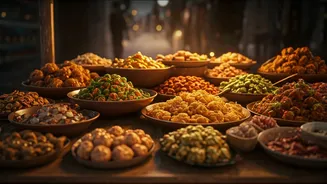
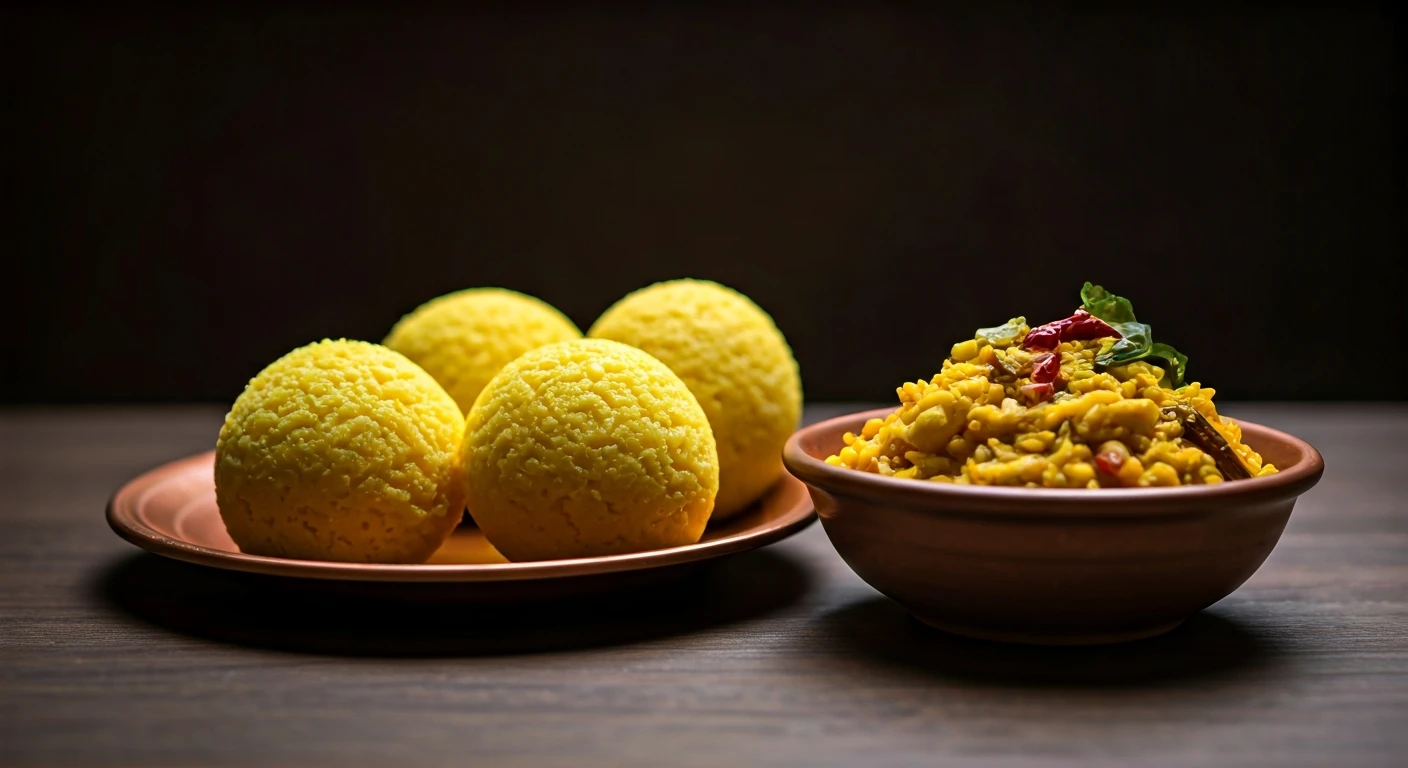
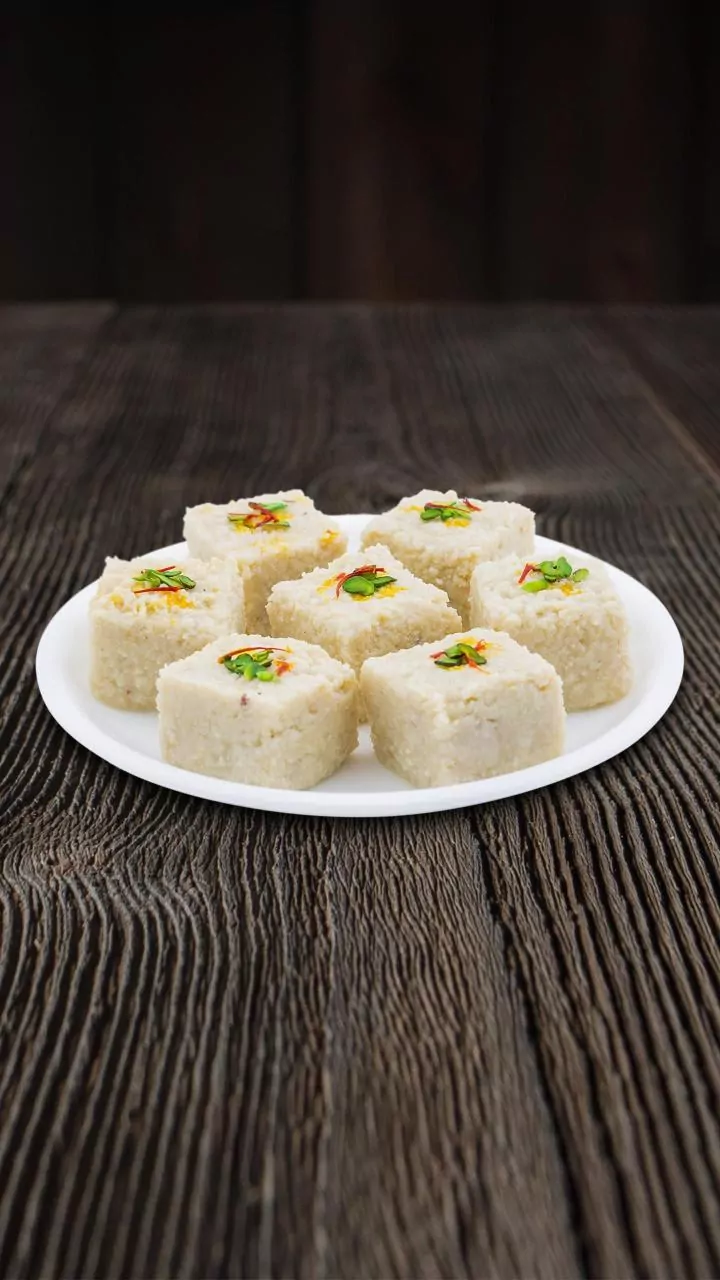
*Pithas* are the quintessential Assamese snack, and they come in countless forms. These rice-flour-based cakes can be sweet or savory, steamed, fried, or roasted. During the Mela, you'll find a variety to sample. Look for *Til Pitha*, thin rice-flour crepes filled with a sweet mixture of roasted black sesame seeds and jaggery (unrefined cane sugar). Another favorite is the *Ghila Pitha*, a fluffy, deep-fried rice cake that’s slightly sweet and tastes like a cross between a pancake and a donut. They are perfect for carrying with you as you explore the temple grounds—a portable bite of tradition that connects you directly to Assam’s home kitchens.