




More Public Lands to Explore
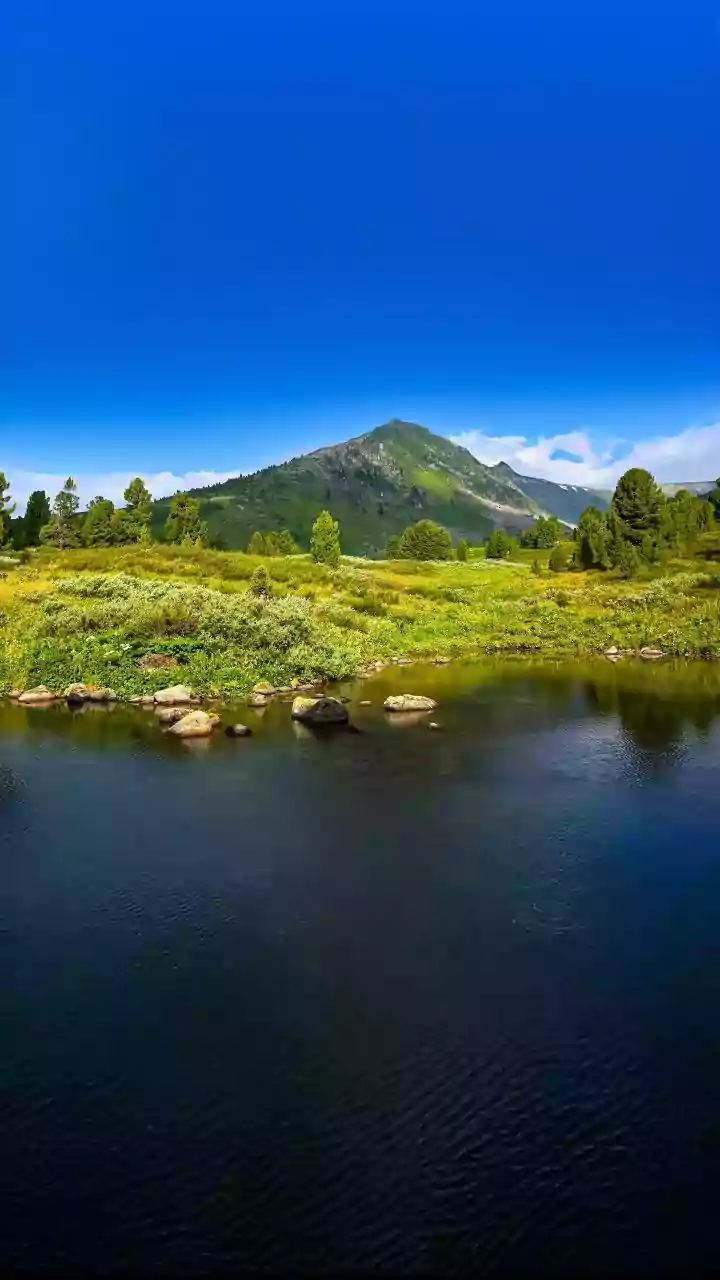
The most fundamental resource for any American adventurer is public land, and the map just keeps getting bigger and better. In recent years, significant new areas have been designated for protection and recreation. A prime example is the Baaj Nwaavjo
I’tah Kukveni – Ancestral Footprints of the Grand Canyon National Monument in Arizona, established in 2023. This designation protects nearly a million acres of canyons and plateaus rich with cultural significance and ripe for respectful exploration. Similarly, the Camp Hale-Continental Divide National Monument in Colorado preserves a stunning landscape with deep military history. These additions aren’t just lines on a map; they represent a national commitment to preserving the wild places that form the backdrop of our greatest adventures, ensuring they exist for generations to come.
Your Gear Is Getting Smarter and Greener
The days of choosing between high-performance gear and eco-conscious products are fading fast. Today, the most innovative brands are proving you can have both. We’re seeing a massive shift toward recycled materials in everything from fleece jackets to backpack fabrics. Major companies are phasing out PFCs—the persistent “forever chemicals” used in waterproof coatings—in favor of effective, environmentally friendlier alternatives. The result? Gear that is lighter, more durable, and more breathable than ever, all while carrying a smaller environmental footprint. For the consumer, this means your investment not only helps you perform better on the trail but also helps protect the very environments you love exploring.
The Glorious Rise of the Microadventure
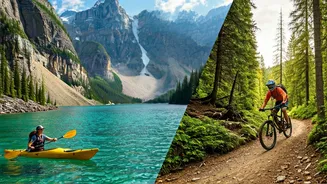
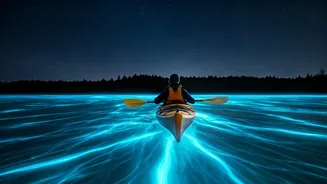
The idea that adventure requires a multi-week expedition to a remote corner of the globe is officially outdated. Coined by adventurer Alastair Humphreys, the “microadventure” concept—embracing short, local, and simple outings—has gone mainstream. Think a weekday overnight bikepacking trip, a sunrise paddle on a nearby lake before work, or exploring a local trail system you’ve always ignored. This shift celebrates the idea that adventure is a mindset, not a destination. It’s more accessible, affordable, and sustainable, allowing people with busy jobs and families to infuse their lives with a regular dose of the outdoors without the logistical headache of a grand journey.
A Golden Age for Long-Distance Trails
For those who do dream of epic, multi-day treks, the infrastructure is better than ever. The U.S. is experiencing a renaissance in long-distance trail development. While classics like the Appalachian Trail and the Pacific Crest Trail remain bucket-list items, new routes are constantly emerging. The Great American Rail-Trail, a project to create a continuous multi-use path from Washington D.C. to Washington state, is now more than 50% complete. In the mountain biking world, routes like the Eastern Divide Trail, which will stretch over 5,000 miles from Newfoundland to Florida, are creating unprecedented opportunities for bikepackers. These new trails open up different regions of the country, offering fresh challenges and new landscapes to conquer on foot or by bike.
Tech That Actually Helps You Disconnect
It sounds paradoxical, but technology is making it easier and safer to get off the grid. The evolution of personal locator beacons and satellite messengers, like Garmin’s inReach devices, has been a game-changer for solo hikers and backcountry explorers. The ability to send an SOS signal or a simple “I’m okay” text from virtually anywhere provides a crucial safety net that empowers people to push their boundaries responsibly. At the same time, planning apps like AllTrails, onX, and The Dyrt have streamlined the once-daunting process of finding campsites, navigating trails, and discovering hidden gems, lowering the barrier to entry for newcomers and saving veterans valuable time.
A Stronger Push for an Inclusive Outdoors
Perhaps the most important celebration is the growing movement to make the outdoors a welcoming space for everyone. Organizations like Outdoor Afro, Latino Outdoors, and Disabled Hikers are building powerful communities and advocating for better representation and accessibility in parks, marketing, and the adventure industry at large. Gear companies are expanding their size ranges, and guide services are creating more trips tailored to different communities. This conscious effort to break down historical barriers ensures that the physical and mental benefits of adventure are shared more widely, enriching the entire outdoor community with new perspectives and experiences.