






The One-Size-Fits-None Problem
For decades, the wellness world has sold us a simple, yet faulty, premise: follow these specific rules, and you will achieve your health goals. Whether it was the low-fat dogma of the '90s, the Atkins revolution of the 2000s, or the modern-day Keto and Paleo
tribes, the approach has been overwhelmingly universal. Millions of people try the same plan, expecting the same results. But a growing body of scientific evidence is confirming what many of us have suspected all along: this model is fundamentally broken. Think of it like a hardware store selling only one key but promising it will unlock every door in town. It’s a guarantee of failure. Our bodies are not standardized machines; they are complex, unique ecosystems. The reason a high-fat diet energizes your coworker but leaves you feeling sluggish isn't a fluke—it's biology.
Your Body Isn't A Cliché
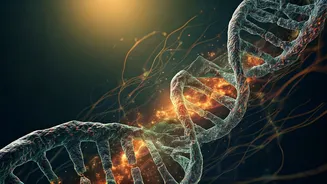
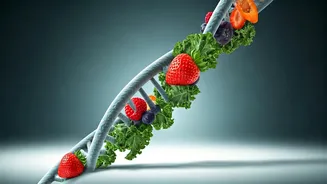
The reality check for generic diets is coming from inside our own cells. Two major fields are driving this shift: nutrigenomics and microbiome research. Nutrigenomics is the study of how different foods interact with your specific genes. For example, some people have a genetic variation that makes them process caffeine slowly, meaning that morning coffee might affect them well into the afternoon. Others have genes that influence how their bodies respond to saturated fats or metabolize carbohydrates. What’s healthy for one person might be inflammatory for another, based on their DNA. Then there’s the gut microbiome—the trillions of bacteria living in your digestive tract. This unique microbial fingerprint influences everything from your digestion and immunity to your mood and cravings. Two people can eat the exact same meal, like a banana, and have wildly different blood sugar responses, partly due to the composition of their gut bacteria. A diet that starves your beneficial microbes can backfire, while one that nourishes them can improve your overall health.
Enter Personalized Nutrition
This new understanding is ushering in the era of personalized nutrition. It’s less of a “diet” and more of a flexible framework built around your individual needs. Instead of starting with a list of forbidden foods, it starts with questions: What’s your genetic background? What does your lifestyle look like? What are your health goals? How does your body actually respond to certain foods? This approach rejects the idea of “good” and “bad” foods, instead focusing on what’s optimal for *you*. For some, this might mean a higher-protein, lower-carb plan works wonders. For others, a plant-forward diet rich in whole grains might be the key to feeling their best. The goal is to move away from rigid, prescriptive rules and toward informed, bio-individual choices. It swaps the guilt and failure of a one-size-fits-all plan for the empowerment of self-awareness.
What This Means For You
You don't necessarily need an expensive DNA test or microbiome analysis to start applying the principles of personalized nutrition, though those tools are becoming more accessible. The most powerful first step is to become a more mindful observer of your own body. Instead of blindly following a meal plan, start a simple food and symptom journal. How do you feel an hour after eating oatmeal versus eggs for breakfast? Does a dairy-heavy meal leave you feeling bloated and tired, or energized? Pay attention to energy levels, digestion, sleep quality, and mood. This kind of self-study, sometimes called an “N-of-1” experiment, is the foundation of a personalized approach. It’s about tuning into your body's signals rather than outsourcing your health decisions to a bestseller list or a celebrity endorsement. A registered dietitian trained in this area can also help you connect the dots between your diet, lifestyle, and how you feel, creating a plan that’s sustainable because it was designed just for you.