




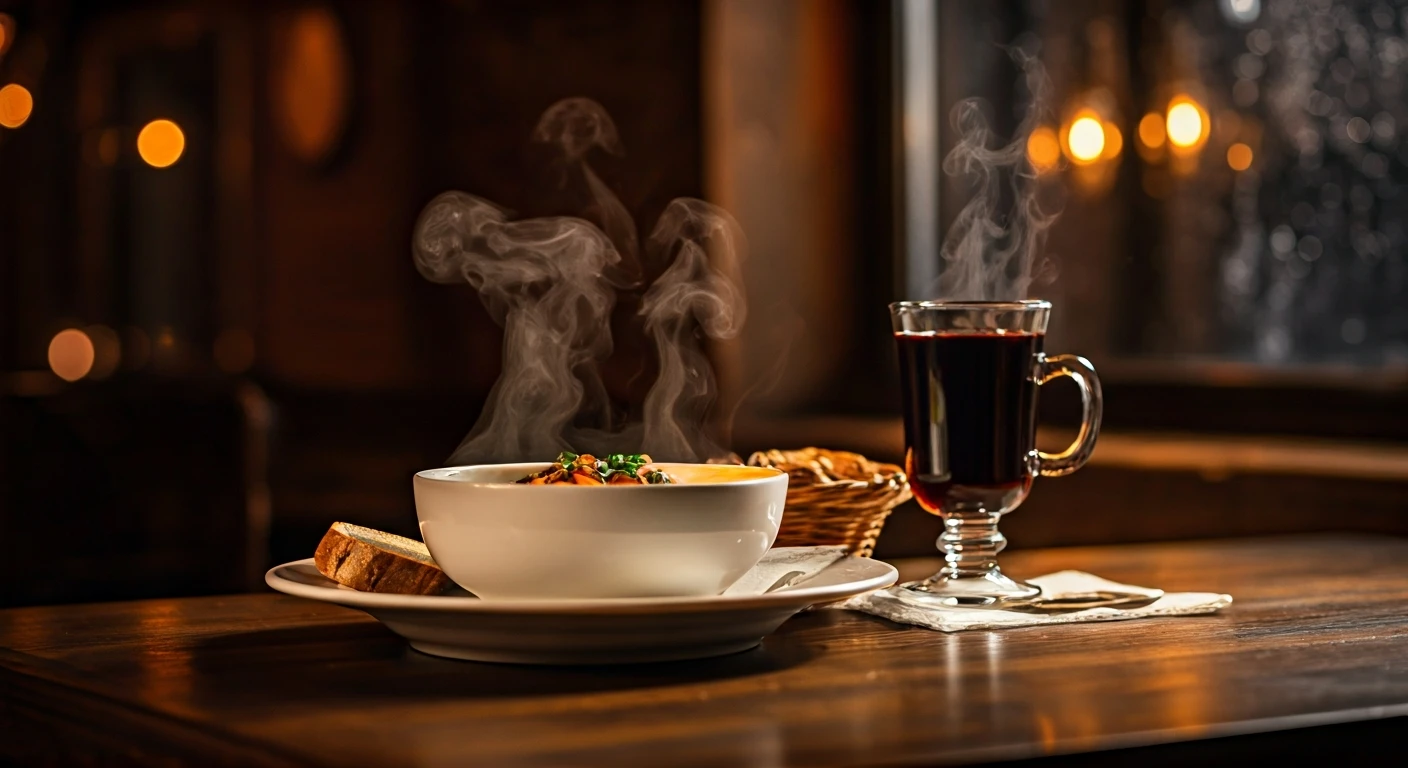
Why Warm Foods Reign Supreme
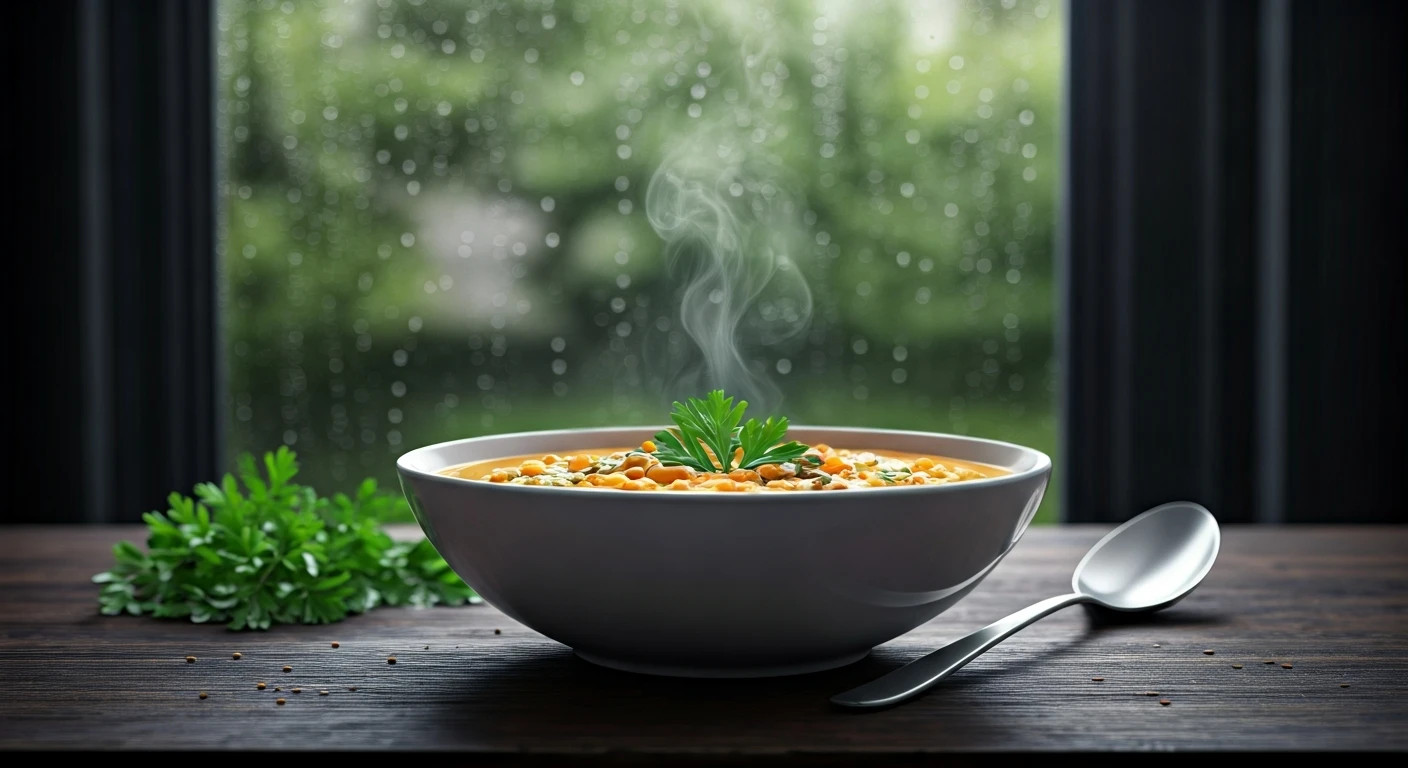
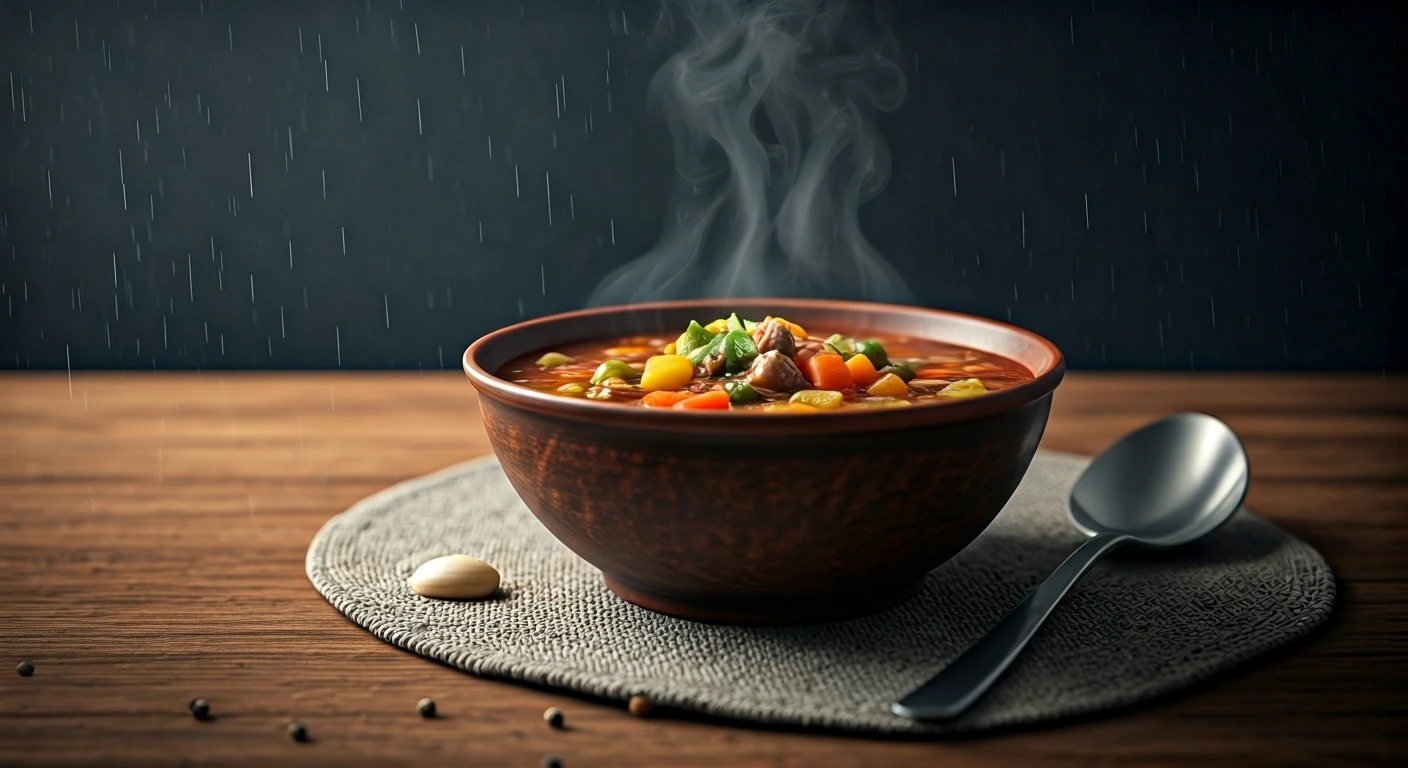
There’s a reason a steaming bowl of soup feels like a hug on a dreary day. Warm foods are psychologically comforting, tapping into deep-seated associations with nourishment and care. But there’s a practical side, too, especially during the humid, damp
weather that defines a monsoon season—or any intense rainy spell. In many culinary traditions, including Ayurveda, warm, cooked foods are considered easier to digest. The cooking process begins breaking down fibers and starches, giving your digestive system a head start. During periods of high humidity and lower energy, a light, warm meal like a lentil soup or a simple broth can feel invigorating rather than heavy. Cold, raw foods, by contrast, are thought to require more metabolic energy to process, potentially leaving you feeling sluggish. So when the rain starts, think about simmering, stewing, and steaming. Your body will thank you.
The Undeniable Wisdom of Simplicity
A raging storm is not the time to attempt a multi-course, technically demanding recipe. Simplicity is key. A simple meal doesn’t mean a boring one; it means prioritizing ease, efficiency, and ingredients you likely already have. This is the moment for one-pot wonders: stews, chilis, and porridges that can bubble away on the stovetop with minimal fuss. Relying on pantry staples like canned beans, tomatoes, pasta, rice, and lentils means you don’t have to venture out into the deluge for supplies. Simple meals also mean less cleanup, a welcome bonus when you’d rather be curled up with a book than scrubbing pans. The goal is to reduce stress, not add to it. A classic grilled cheese with tomato soup, a quick pasta with garlic and oil, or a hearty bowl of oatmeal all fit the bill perfectly—delicious, satisfying, and effortlessly simple.
The Critical Importance of 'Safe'
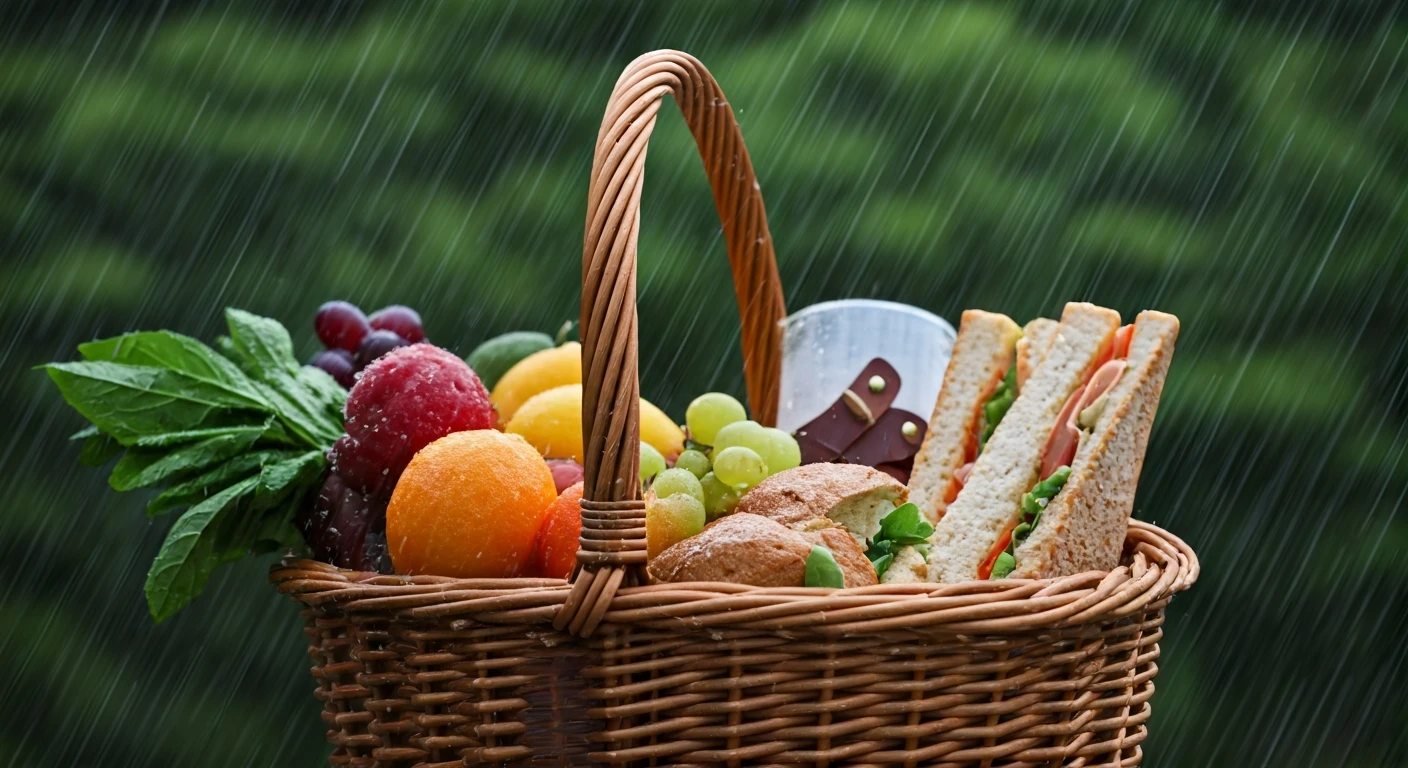
The “safe” component of monsoon eating is arguably the most important, especially when storms bring the risk of power outages. Food safety becomes paramount. High humidity can accelerate spoilage, and a non-functioning refrigerator is a breeding ground for bacteria. Before a storm hits, make sure you have a cooler and ice packs ready. If the power goes out, keep the refrigerator and freezer doors closed as much as possible. According to the USDA, a refrigerator will keep food safe for about four hours, while a full freezer will hold its temperature for about 48 hours (24 hours if half-full). Have a stock of non-perishable foods that don’t require cooking or refrigeration: canned fish, peanut butter, crackers, protein bars, and dried fruit. It's also wise to be cautious with street food or takeout if you're unsure of its preparation, as water contamination can be a risk during heavy flooding.
Comforting Meal Ideas for a Rainy Day
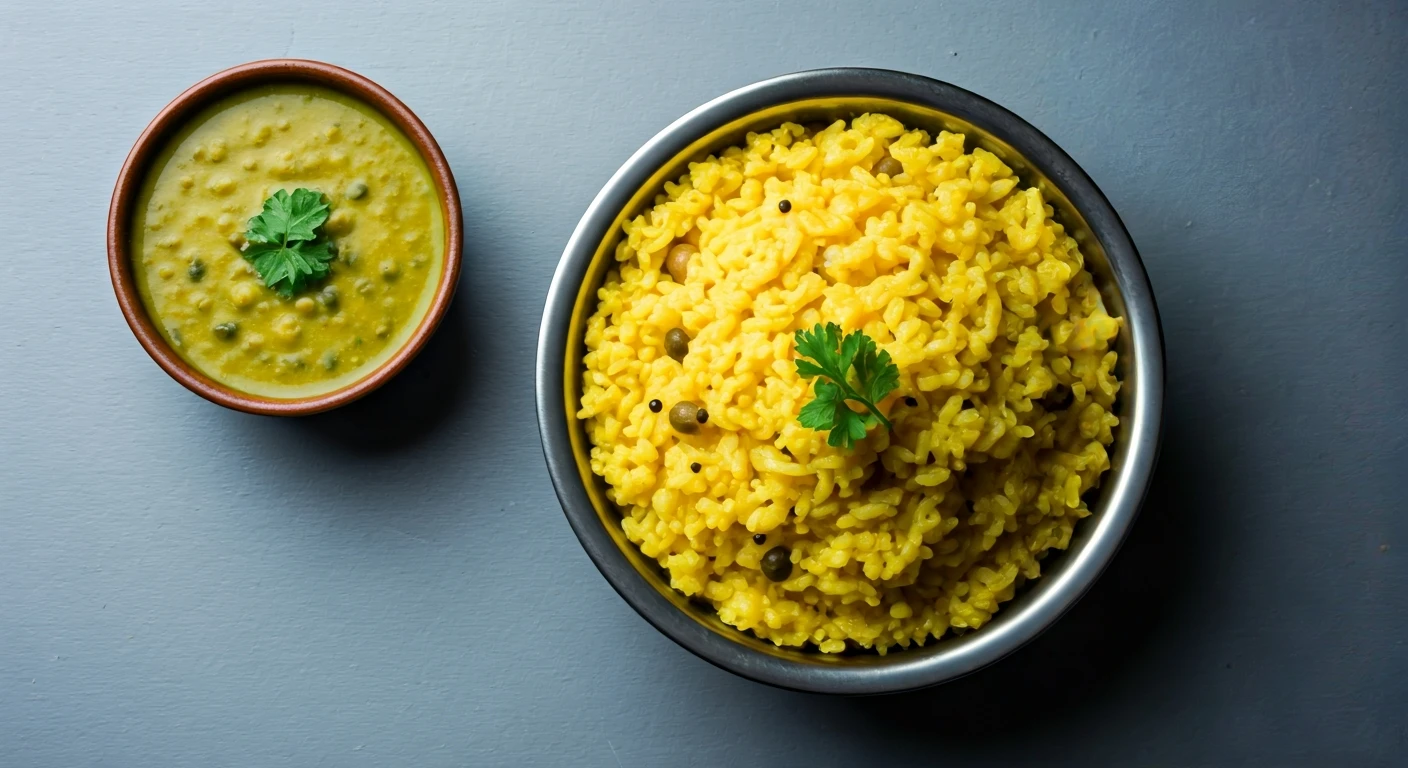
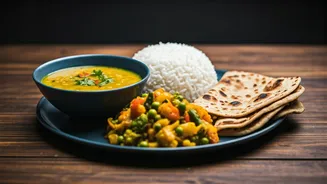
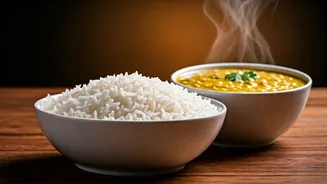
Putting it all together, what does a perfect monsoon meal look like? It’s a blend of warmth, simplicity, and safety. Here are a few ideas that cross cultures but share a common spirit: * **Lentil and Rice (Khichdi):** A staple in South Asia, this one-pot dish of rice and lentils is incredibly easy to digest, nourishing, and can be made with just a few pantry spices. * **Hearty Vegetable Stew:** Use whatever vegetables you have on hand—carrots, potatoes, celery—and simmer them in a savory broth with beans or a small amount of meat. It’s a perfect way to clean out the crisper drawer. * **Congee or Rice Porridge:** A comforting staple across Asia, this simple rice porridge can be made savory with ginger and scallions or sweet. It's gentle on the stomach and deeply warming. * **Classic Tomato Soup and Grilled Cheese:** The ultimate American comfort duo. It’s warm, requires only pantry and refrigerator staples, and comes together in minutes.